Best ADP Workforce Now Competitors: Top HR Management Alternatives for 2026

Hibob Review
- Intuitive user friendly interface
- Strong employee engagement tools
- Scales well for growing teams
- Dedicated customer success managers
- No native payroll processing
- Benefits need third party tools
- Advanced setup can be complex
Rippling Review
- All in one platform
- Powerful automation workflows
- Hundreds of integrations available
- Strong security compliance
- Complex setup for workflows
- Training across teams required
- Advanced modules raise costs

BambooHR Review
- Intuitive interface for SMBs
- Strong core HR modules
- Fast implementation timeline
- Excellent customer support
- Basic payroll and time tracking
- Benefits module still maturing
- Custom integrations can be tricky
- Limited industry specific features
Zoho People Review
- Centralized employee data
- Automated time and attendance
- Streamlined leave approvals
- Performance management tools
- Setup can take time
- May need Zoho ecosystem
Paylocity Review
- Unified HR and payroll suite
- Strong payroll accuracy
- Modern mobile self service
- Robust reporting and compliance
- Implementation can be complex
- Extra fees for add ons
- Support response times vary

Workday Review
- Cloud native architecture
- Integrated HR and finance
- Modern user experience
- Strong for compliance needs
- Implementation can be complex
- Limited customization flexibility
- Best for larger companies
SAP SuccessFactors Review
- Comprehensive talent management suite
- Strong global compliance coverage
- Scalable for large enterprises
- Advanced workforce analytics
- Complex implementation and rollout
- Steep user interface learning
- Long deployment timelines
- Change management heavy

ADP Workforce Now Review
- Best in class payroll accuracy
- Strong multi state compliance
- All in one HCM platform
- Extensive API integrations
- Complex for smaller teams
- Pricing adds up quickly
- Long implementation timeline
- Training required for users

UKG Ready Review
- All in one HR suite
- Cloud based scalable design
- Strong integrations and APISs
- Compliance tools and updates
- Limited international capabilities
- Moderate admin learning curve
- Complex reports need it help
- Support quality varies by tier

Namely Review
- Unified HR payroll benefits suite
- Modern intuitive interface
- Strong customization options
- Good implementation guidance
- Implementation can take weeks
- Integrations may add cost
- Support quality can vary
- Needs dedicated project resources
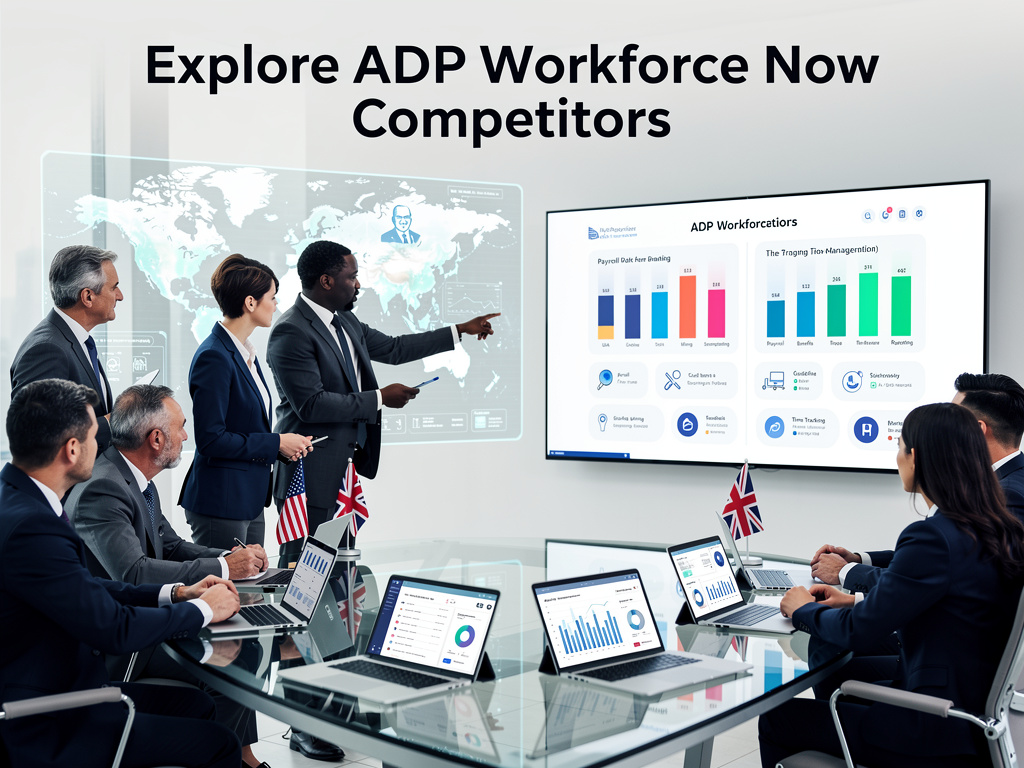
ADP Workforce Now has long been a dominant player in the human resources management space. However, many businesses are seeking alternatives that offer better value, more modern interfaces, or specialized features. The HR technology landscape has evolved significantly, with numerous competitors offering compelling alternatives to ADP’s traditional approach.
Companies today need HR solutions that go beyond basic payroll processing. They require integrated platforms that handle everything from recruitment and onboarding to performance management and analytics. Modern businesses demand user-friendly interfaces, mobile accessibility, and seamless integrations with other business tools.
This comprehensive review examines nine leading ADP Workforce Now competitors. Each platform offers unique strengths and capabilities that may better suit your organization’s specific needs. We’ll analyze their features, pricing, user experience, and implementation processes to help you make an informed decision for your HR technology stack.
Understanding the HR Technology Landscape
The human resources technology market has transformed dramatically over the past decade. Traditional HR systems like ADP Workforce Now face increasing competition from agile, cloud-native solutions. These newer platforms often provide superior user experiences and more flexible pricing models.
Modern HR platforms prioritize employee experience alongside administrative efficiency. They offer self-service portals, mobile apps, and intuitive interfaces that employees actually want to use. This shift represents a fundamental change from the administrative-focused systems of the past.
Integration capabilities have become crucial differentiators. Today’s HR solutions must connect seamlessly with accounting software, productivity tools, and specialized applications. Companies no longer accept isolated systems that require manual data entry between platforms.
HiBob: The Modern People Platform
HiBob positions itself as a modern people platform designed for today’s workforce. The system emphasizes employee engagement and company culture alongside traditional HR functions. Bob’s interface feels more like a social media platform than traditional HR software.
Key Features and Capabilities:
- Comprehensive people analytics and reporting
- Automated onboarding workflows
- Performance management and goal tracking
- Time off management and scheduling
- Document management and e-signatures
- Mobile-first design approach
The platform excels in creating an engaging employee experience. Its social features allow team members to share updates, recognize achievements, and build stronger workplace connections. This approach particularly appeals to younger, tech-savvy workforces.
Pricing Structure: HiBob uses a per-employee monthly pricing model. Costs typically range from $8-15 per employee per month, depending on features selected. Implementation fees may apply for larger organizations.
Best Suited For: Mid-size companies (100-1000 employees) that prioritize employee experience and company culture. Technology companies and startups often find HiBob’s modern approach particularly appealing.
The system’s analytics capabilities provide deep insights into workforce trends and employee satisfaction. However, payroll functionality may require third-party integrations depending on your location and requirements.
Rippling: The All-in-One Business Operations Platform
Rippling takes a unique approach by combining HR, IT, and finance functions into a single platform. This integration allows for powerful automation and workflow management across multiple business areas. The system’s strength lies in its ability to manage the entire employee lifecycle from a unified interface.
Comprehensive Feature Set:
- Global payroll processing
- Benefits administration and enrollment
- IT asset management and provisioning
- Applicant tracking and recruitment
- Learning management and training
- Expense management integration
Rippling’s automation capabilities are particularly impressive. When a new employee is hired, the system can automatically provision IT equipment, set up accounts, enroll in benefits, and add them to payroll. This level of automation significantly reduces administrative overhead.
The platform’s global capabilities make it attractive for companies with international operations. Rippling handles compliance and payroll processing in numerous countries, simplifying expansion into new markets.
Investment and Pricing: Rippling’s pricing starts around $8 per employee per month for basic features. Additional modules and functionality increase the cost. The platform’s comprehensive nature often justifies higher pricing through reduced need for multiple systems.
Implementation complexity varies significantly based on organization size and requirements. Larger companies may need several months for full deployment, while smaller organizations can often go live within weeks.
BambooHR: The Small Business HR Specialist
BambooHR has built a reputation as the go-to HR solution for small and medium-sized businesses. The platform focuses on simplicity and ease of use while providing essential HR functionality. Its straightforward approach appeals to companies without dedicated HR teams.
Core Functionality Includes:
- Employee database and record keeping
- Applicant tracking and hiring
- Performance management tools
- Time tracking and PTO management
- Basic reporting and analytics
- Employee self-service portal
The system’s strength lies in its intuitive design and quick implementation. Most organizations can be up and running within a few weeks. BambooHR’s customer support receives consistently high ratings from users.
Pricing and Value: BambooHR charges approximately $6-10 per employee per month depending on features. The pricing is transparent and predictable, making budgeting easier for growing companies.
While BambooHR excels in core HR functions, it may lack advanced features required by larger organizations. The platform works best for companies with 25-500 employees who need reliable, straightforward HR management.
Integration options are somewhat limited compared to enterprise-level solutions. However, BambooHR covers most essential integrations with popular accounting and productivity software.
Zoho People: The Affordable Enterprise Alternative
Zoho People offers enterprise-grade HR functionality at small business pricing. As part of the broader Zoho ecosystem, it integrates seamlessly with other Zoho applications. This creates opportunities for comprehensive business management at competitive prices.
Feature Highlights:
- Employee lifecycle management
- Advanced workflow automation
- Multi-location time tracking
- Comprehensive leave management
- Custom forms and approval processes
- Mobile app with offline capabilities
The platform’s customization capabilities are extensive. Organizations can create custom fields, workflows, and approval processes to match their specific requirements. This flexibility rivals much more expensive enterprise solutions.
Zoho People’s integration with the broader Zoho suite creates unique value propositions. Companies already using Zoho CRM, Books, or other applications can achieve seamless data flow across all business functions.
Cost Effectiveness: Pricing starts at just $1 per employee per month for basic features. Advanced functionality costs $3-5 per employee per month. This pricing makes Zoho People one of the most affordable enterprise-capable solutions available.
The learning curve can be steeper than simpler alternatives due to the platform’s extensive customization options. Organizations should plan for adequate training and setup time to fully leverage Zoho People’s capabilities.
Workday: The Enterprise Powerhouse
Workday represents the premium end of HR technology solutions. Designed for large enterprises, it offers comprehensive functionality across HR, finance, and planning. The platform’s analytical capabilities and reporting tools are industry-leading.
Enterprise-Grade Features:
- Advanced workforce analytics and planning
- Global talent management
- Comprehensive benefits administration
- Learning and development platforms
- Financial management integration
- Advanced security and compliance tools
Workday’s strength lies in its sophisticated reporting and analytics capabilities. The platform can generate insights about workforce trends, compensation analysis, and organizational effectiveness that drive strategic decision-making.
The system’s mobile experience is exceptional, allowing employees to access most functionality from their smartphones. This mobile-first approach supports modern, distributed workforces effectively.
Investment Considerations: Workday’s pricing reflects its enterprise positioning. Annual costs typically range from $100-300 per employee, with significant implementation fees. Total cost of ownership often exceeds $1 million for large deployments.
Implementation timelines are typically 6-18 months depending on organization complexity. Workday requires significant change management and training investment to achieve successful adoption.
SAP SuccessFactors: The Global Enterprise Solution
SAP SuccessFactors provides comprehensive human capital management for large, global organizations. The platform’s strength lies in its scalability and ability to handle complex, multi-national requirements. Integration with other SAP products creates additional value for existing SAP customers.
Comprehensive Module Suite:
- Core HR and employee central
- Recruiting and onboarding
- Performance and goals management
- Learning and development
- Succession and development planning
- Workforce analytics and planning
SuccessFactors excels in handling complex organizational structures and global compliance requirements. The platform supports multiple languages, currencies, and regulatory frameworks simultaneously.
The system’s talent management capabilities are particularly strong. Organizations can track employee development, identify high-potential talent, and plan succession effectively across global operations.
Enterprise Investment: SAP SuccessFactors pricing varies significantly based on modules and user count. Annual costs typically range from $80-200 per employee. Implementation and customization costs can be substantial for large deployments.
The platform’s complexity requires significant IT resources and expertise. Organizations should ensure adequate technical support and training before implementation begins.
UKG Ready: The Comprehensive Workforce Management Solution
UKG Ready (formerly Kronos) combines human capital management with advanced workforce management capabilities. The platform particularly excels in time and attendance tracking, scheduling, and labor management. This makes it attractive for organizations with complex workforce scheduling needs.
Workforce Management Features:
- Advanced time and attendance tracking
- Intelligent scheduling optimization
- Labor cost management and forecasting
- Employee self-service capabilities
- Comprehensive benefits administration
- Talent acquisition and onboarding
The platform’s scheduling intelligence helps optimize labor costs while ensuring adequate coverage. This functionality particularly benefits retail, healthcare, and manufacturing organizations with variable staffing needs.
UKG Ready’s mobile applications are robust and feature-rich. Employees can view schedules, request time off, and clock in/out from their mobile devices. Managers can approve requests and make schedule adjustments remotely.
Pricing and Implementation: UKG Ready uses tiered pricing based on employee count and feature requirements. Costs typically range from $12-25 per employee per month. Implementation timelines vary from 3-9 months depending on complexity.
The platform’s strength in workforce management comes with increased complexity in setup and administration. Organizations should ensure adequate training for HR staff and managers.
Paylocity: The Modern Payroll Plus Platform
Paylocity has evolved from a payroll processor into a comprehensive HR platform. The company maintains strong payroll capabilities while adding modern HR features and employee engagement tools. This evolution makes it a compelling alternative for organizations prioritizing payroll accuracy and compliance.
Integrated Capabilities:
- Advanced payroll processing and tax compliance
- Talent acquisition and applicant tracking
- Performance management and reviews
- Learning management system
- Employee surveys and engagement tools
- Benefits administration and enrollment
Paylocity’s employee engagement features are particularly innovative. The platform includes social recognition tools, company communication features, and employee survey capabilities that help build stronger workplace culture.
The system’s reporting and analytics capabilities provide insights into workforce trends, compensation analysis, and employee engagement metrics. These insights help HR leaders make data-driven decisions.
Value Proposition: Paylocity pricing typically ranges from $10-20 per employee per month depending on features selected. The platform offers good value for organizations needing both reliable payroll and modern HR capabilities.
Implementation is generally straightforward for most organizations. Paylocity’s customer support receives positive reviews, particularly for payroll-related issues and compliance questions.
Namely: The Mid-Market HR Solution
Namely targets mid-market companies with a platform that combines HR, payroll, and benefits management. The system emphasizes ease of use and employee engagement while providing comprehensive HR functionality. Namely’s approach balances sophistication with simplicity.
Platform Features:
- Integrated HR, payroll, and benefits
- Social newsfeeds and employee recognition
- Performance management and goal tracking
- Time and attendance management
- Comprehensive reporting and analytics
- Document management and workflows
Namely’s social features create an engaging employee experience. The platform includes company newsfeeds, employee directories, and recognition tools that help build workplace community and culture.
The system’s unified approach eliminates data silos between HR, payroll, and benefits administration. This integration improves accuracy and reduces administrative overhead for HR teams.
Investment and ROI: Namely’s pricing falls in the middle range at approximately $12-18 per employee per month. The all-inclusive approach often provides good value compared to multiple point solutions.
Implementation typically takes 2-4 months depending on organization complexity. Namely provides dedicated implementation support and training to ensure successful adoption.
Detailed Feature Comparison Analysis
| Platform | Payroll | Benefits | Time Tracking | Analytics | Mobile App | Starting Price/Employee |
|---|---|---|---|---|---|---|
| HiBob | Limited | Yes | Yes | Advanced | Excellent | $8-15 |
| Rippling | Global | Comprehensive | Yes | Advanced | Very Good | $8+ |
| BambooHR | Partner | Basic | Yes | Standard | Good | $6-10 |
| Zoho People | Integration | Yes | Advanced | Good | Very Good | $1-5 |
| Workday | Yes | Comprehensive | Yes | Industry-Leading | Excellent | $100-300 |
| SAP SuccessFactors | Integration | Yes | Yes | Advanced | Good | $80-200 |
| UKG Ready | Yes | Yes | Industry-Leading | Advanced | Excellent | $12-25 |
| Paylocity | Excellent | Yes | Yes | Good | Very Good | $10-20 |
| Namely | Yes | Yes | Yes | Good | Good | $12-18 |
Implementation Considerations and Best Practices
Successful HR platform implementation requires careful planning and stakeholder buy-in. Organizations should assess their current processes and identify areas for improvement before selecting a new system. This analysis helps ensure the chosen platform addresses actual business needs rather than just replacing existing functionality.
Key Implementation Factors:
- Data migration complexity and timeline
- Integration requirements with existing systems
- Training needs for HR staff and managers
- Change management and user adoption strategies
- Compliance and security requirements
- Ongoing support and maintenance needs
Change management becomes crucial for user adoption success. Employees and managers must understand the benefits of the new system and receive adequate training. Poor adoption can undermine even the best HR technology investments.
Data quality and migration planning require significant attention. Most organizations discover data inconsistencies and gaps during migration projects. Addressing these issues early prevents problems and improves system effectiveness.
Total Cost of Ownership Analysis
Understanding the true cost of HR technology extends beyond monthly subscription fees. Implementation costs, training expenses, integration requirements, and ongoing maintenance all contribute to total ownership costs. Organizations should evaluate these factors when comparing alternatives.
Cost Components to Consider:
- Monthly or annual subscription fees
- Implementation and setup costs
- Data migration and integration expenses
- Training and change management costs
- Ongoing support and maintenance fees
- Customization and development costs
Hidden costs often emerge during implementation and ongoing use. Custom reporting requirements, additional integrations, and premium support options can significantly increase total costs. Budgeting for these contingencies prevents unpleasant surprises.
Return on investment calculations should include both cost savings and efficiency gains. Reduced administrative time, improved compliance, and better employee satisfaction all contribute to platform ROI.
Security and Compliance Considerations
HR systems contain sensitive employee data requiring robust security measures and compliance controls. Organizations must ensure their chosen platform meets industry standards and regulatory requirements. This is particularly important for companies in regulated industries or those handling international data.
Essential Security Features:
- Data encryption in transit and at rest
- Role-based access controls and permissions
- Regular security audits and certifications
- Backup and disaster recovery capabilities
- Compliance with GDPR, SOX, and industry regulations
- Single sign-on and multi-factor authentication
Vendor security practices and certifications should be thoroughly evaluated. Look for SOC 2 compliance, ISO 27001 certification, and other industry-recognized security standards. These certifications indicate robust security practices and regular third-party audits.
Data residency requirements may impact platform selection for international organizations. Some regions require employee data to remain within specific geographic boundaries, limiting vendor options.
Making the Right Choice for Your Organization
Selecting the right HR platform requires balancing functionality, cost, and organizational fit. No single solution works best for every organization. Companies should prioritize features that address their most pressing challenges and support their strategic objectives.
Decision Framework:
- Assess current pain points and desired improvements
- Define must-have vs. nice-to-have features
- Evaluate vendor stability and long-term viability
- Consider integration requirements and technical capabilities
- Review customer references and user feedback
- Calculate total cost of ownership over 3-5 years
Pilot programs and proof-of-concept projects can provide valuable insights before full implementation. Many vendors offer trial periods or limited deployments to test functionality and user experience.
Stakeholder involvement throughout the selection process improves buy-in and adoption success. Include representatives from HR, IT, finance, and end-user departments in evaluation and decision-making processes.
For additional insights on HR technology trends and platform comparisons, visit G2’s comprehensive ADP alternatives review for user ratings and detailed feedback.
Conclusion
The HR technology landscape offers numerous compelling alternatives to ADP Workforce Now. Each platform brings unique strengths and capabilities that may better serve your organization’s specific needs. Modern solutions like Rippling and HiBob offer innovative approaches to employee engagement and automation. Traditional strengths in payroll and compliance make Paylocity and UKG Ready attractive for organizations prioritizing these areas. Enterprise solutions like Workday and SAP SuccessFactors provide sophisticated capabilities for large, complex organizations. The key is matching platform capabilities with your organization’s priorities, budget, and technical requirements to achieve the best long-term value and user satisfaction.
Frequently Asked Questions About ADP Workforce Now Competitors
- What are the most popular ADP Workforce Now alternatives for small businesses?
BambooHR and Zoho People are excellent choices for small businesses. BambooHR offers simplicity and ease of use, while Zoho People provides enterprise features at affordable pricing. Both platforms can be implemented quickly and don’t require extensive IT resources. - Which ADP competitors offer the best payroll processing capabilities?
Rippling, Paylocity, and UKG Ready excel in payroll processing. Rippling offers global payroll capabilities, Paylocity has strong compliance features, and UKG Ready integrates payroll with advanced workforce management tools. - How do implementation timelines compare among ADP Workforce Now alternatives?
Implementation varies significantly by platform and organization size. BambooHR and Zoho People can be deployed in 2-6 weeks. Rippling and Paylocity typically require 1-3 months. Enterprise solutions like Workday and SAP SuccessFactors may need 6-18 months for full implementation. - What security features should I look for in ADP alternatives?
Essential security features include data encryption, role-based access controls, SOC 2 compliance, regular security audits, and multi-factor authentication. Enterprise platforms typically offer more comprehensive security features and certifications. - Which platforms offer the best mobile experience for employees?
HiBob, Workday, and UKG Ready provide excellent mobile experiences. These platforms offer full-featured mobile apps that allow employees to access most functionality from their smartphones, including self-service features and manager approval capabilities. - How do total costs compare between ADP Workforce Now competitors?
Costs vary significantly based on features and organization size. Zoho People offers the lowest starting prices at $1-5 per employee monthly. Mid-range options like BambooHR and Rippling cost $6-15 per employee. Enterprise solutions like Workday can exceed $100-300 per employee annually. - What integration capabilities should I expect from modern HR platforms?
Modern HR platforms should integrate with accounting software, productivity tools, and specialized applications. Look for pre-built integrations with popular systems like QuickBooks, Salesforce, and Microsoft 365. API availability enables custom integrations for unique requirements. - Which ADP alternatives work best for global organizations?
Rippling, Workday, and SAP SuccessFactors excel for global operations. They offer multi-country payroll processing, compliance management, and support for multiple languages and currencies. These platforms can handle complex international HR requirements effectively.




 Stack Insight is intended to support informed decision-making by providing independent information about business software and services. Some product details, including pricing, features, and promotional offers, may be supplied by vendors or partners and can change without notice.