
Best Entro Security Alternatives for Enterprise Identity Management in 2026

Entro Security Review
- Best for complex environments
- Integration effort varies
- Enterprise focused pricing
- Learning curve for workflows
- Best for complex environments
- Integration effort varies
- Enterprise focused pricing
- Learning curve for workflows

Clutch Security Review
- Automatic NHI discovery
- Unified multi cloud visibility
- Security focused risk context
- Improves compliance efficiency
- No built in MFA
- Needs careful legacy integration
- Implementation can take months

Token Security Review
- Deep machine identity discovery
- Continuous monitoring and visibility
- API first integrations
- Low ongoing maintenance
- Enterprise rollout can take time
- Niche focus not broad IAM

Glide Identity Review
- Eliminates passwords and SMS OTP
- Strong SIM based security
- Major carrier partnerships
- Fast enterprise deployments
- SDK integration required
- Deployment can take months
- Depends on carrier coverage

Oasis Security Review
- Purpose built for non human identities
- Automatic discovery and cataloging
- Continuous monitoring and threat detection
- Strong multi cloud coverage
- Best for larger environments
- Pricing scales with identity volume
- Implementation may take weeks

Linx Security Review
- AI driven risk assessment
- Automated provisioning workflows
- Strong compliance reporting
- Handles non human identities
- Geared to larger enterprises
- Implementation takes weeks
- Subscription pricing can scale

Permit.io Review
- Powerful policy as code
- Visual no code builder
- Real time policy sync
- Strong audit compliance tools can feel heavy for simple apps and adds vendor dependency
- Overkill for simple projects
- Limited on premises options
- Some vendor dependency

Transmit Security Review
- Passwordless login experience
- Risk based protection
- Strong compliance certifications
- Responsive expert support
- Pricing depends on usage
- Advanced setup takes longer
- Best for large scale teams
Organizations increasingly rely on non-human identities like API keys, service accounts, and tokens to power their digital infrastructure. Managing these digital assets securely has become a critical challenge for cybersecurity teams worldwide. Entro Security has established itself as a prominent solution in this space, but many enterprises seek alternatives that better align with their specific requirements.
The market for identity and secrets management solutions continues to evolve rapidly. Businesses need platforms that can handle complex multi-cloud environments while providing comprehensive visibility into their non-human identity ecosystems. This comprehensive guide examines eight leading Entro Security alternatives that are making waves in the enterprise cybersecurity landscape.
Each solution brings unique strengths to the table, from advanced threat detection capabilities to streamlined developer workflows. Understanding the nuances between these platforms helps organizations make informed decisions about their identity security strategy.
Understanding the Enterprise Identity Management Landscape
The cybersecurity industry has witnessed a dramatic shift toward securing non-human identities. Traditional security models focused primarily on human users, leaving a significant gap in protecting automated systems and services. Modern enterprises typically manage thousands of API keys, service accounts, and machine identities across their infrastructure.
Non-human identity management has emerged as a critical security discipline. These digital entities often have elevated privileges and access to sensitive data. When compromised, they can provide attackers with persistent access to organizational resources. The challenge lies in maintaining visibility and control over these identities throughout their lifecycle.
Leading organizations recognize that effective identity management requires more than just basic secrets storage. They need platforms that provide comprehensive discovery, risk assessment, and automated remediation capabilities. The best solutions integrate seamlessly with existing development workflows while maintaining strict security controls.
Key Criteria for Evaluating Identity Security Solutions
Selecting the right identity management platform requires careful evaluation across multiple dimensions. Our assessment framework focuses on six critical areas that determine platform effectiveness and organizational fit.
Security capabilities form the foundation of any viable solution. This includes encryption standards, access controls, audit logging, and compliance certifications. The platform must protect sensitive credentials both at rest and in transit while providing granular permission management.
Integration flexibility determines how well a solution fits into existing technology stacks. Modern platforms must support diverse environments including cloud services, containerized applications, and legacy systems. API quality and pre-built integrations significantly impact deployment success.
Operational scalability becomes crucial as organizations grow. The platform must handle increasing volumes of secrets and identities without performance degradation. Automated lifecycle management reduces operational overhead while maintaining security standards.
User experience affects adoption rates across development and security teams. Intuitive interfaces, comprehensive documentation, and responsive support contribute to successful implementations. The best platforms balance security rigor with developer productivity.
Cost considerations include both licensing fees and implementation resources. Total cost of ownership encompasses training, maintenance, and ongoing operational expenses. Value assessment should consider security risk reduction alongside direct costs.
Compliance alignment ensures solutions meet industry-specific requirements. Healthcare, financial services, and government sectors have unique regulatory obligations. Platform certifications and audit capabilities support compliance efforts.
Clutch Security: Comprehensive Non-Human Identity Protection
Clutch Security specializes in securing non-human identities across enterprise environments. The platform provides end-to-end visibility into API keys, tokens, and service accounts that power modern applications. Their approach emphasizes discovering hidden identities and assessing associated risks.
The platform excels in identity discovery and classification. Clutch Security automatically scans environments to identify dormant accounts, over-privileged services, and exposed credentials. This comprehensive inventory forms the foundation for effective risk management and security controls.
Risk assessment capabilities help security teams prioritize remediation efforts. The platform analyzes access patterns, privilege levels, and exposure risks to generate actionable intelligence. This data-driven approach enables focused security improvements where they matter most.
Lifecycle management features streamline identity operations from creation to retirement. Automated workflows ensure proper provisioning, regular rotation, and timely deactivation of credentials. Integration with popular development tools makes these processes seamless for engineering teams.
Strengths: Excellent discovery capabilities, comprehensive risk analytics, strong integration ecosystem.
Considerations: Premium pricing may challenge smaller organizations, implementation complexity requires dedicated resources.
Glide Identity: Streamlined Access Management
Glide Identity focuses on simplifying identity and access management for modern organizations. Their platform emphasizes user experience while maintaining robust security controls. The solution addresses both human and non-human identity challenges through unified workflows.
The platform’s unified access approach reduces complexity by managing all identity types through consistent interfaces. This design philosophy minimizes training requirements and operational overhead. Teams can manage service accounts with the same tools used for employee access.
Automation capabilities accelerate common identity operations. Glide Identity provides self-service portals for developers while maintaining security guardrails. Approval workflows ensure proper oversight without creating bottlenecks in development processes.
Analytics and reporting features provide insights into access patterns and security posture. The platform tracks usage metrics, identifies anomalies, and generates compliance reports. This visibility supports both security monitoring and audit requirements.
Integration flexibility allows deployment across diverse technology stacks. Pre-built connectors support major cloud providers, development platforms, and enterprise applications. Custom integrations extend platform capabilities to unique organizational requirements.
Strengths: Intuitive user interface, strong automation features, flexible integration options.
Considerations: Newer market presence, limited advanced analytics compared to specialized solutions.
Identiq: Advanced Identity Verification and Security
Identiq brings innovative approaches to identity verification and security management. Their platform combines traditional access controls with advanced behavioral analytics. This dual approach provides enhanced protection against sophisticated identity-based attacks.
Behavioral analytics capabilities distinguish Identiq from traditional identity platforms. The solution monitors access patterns, device characteristics, and usage behaviors to detect anomalies. Machine learning algorithms adapt to evolving threat patterns and organizational changes.
Real-time risk assessment enables dynamic security decisions. The platform adjusts access controls based on current risk levels rather than static policies. This approach balances security requirements with operational flexibility.
Developer-friendly APIs simplify integration with existing applications and services. Identiq provides SDKs for popular programming languages and frameworks. Comprehensive documentation and code samples accelerate implementation timelines.
Privacy protection features address growing regulatory requirements. The platform implements data minimization principles and provides granular consent management. These capabilities support compliance with GDPR, CCPA, and similar regulations.
Strengths: Advanced behavioral analytics, dynamic risk assessment, strong privacy controls.
Considerations: Complex feature set may require specialized expertise, higher resource requirements for analytics processing.
Linx Security: Enterprise-Grade Protection Solutions
Linx Security delivers enterprise-focused identity and access management solutions. Their platform emphasizes scalability and reliability for large organizations with complex requirements. The solution supports hybrid and multi-cloud deployments effectively.
Enterprise scalability features handle massive user bases and transaction volumes. Linx Security’s architecture supports horizontal scaling and geographic distribution. Performance remains consistent even during peak usage periods across global organizations.
High availability design ensures continuous operation of critical identity services. The platform includes redundancy, failover mechanisms, and disaster recovery capabilities. Service level agreements provide guarantees for uptime and response times.
Compliance certifications demonstrate commitment to regulatory requirements. Linx Security maintains certifications for major standards including SOC 2, ISO 27001, and FedRAMP. Regular audits ensure ongoing compliance and security improvements.
Professional services support complex implementations and customizations. The vendor provides consulting, training, and managed services options. This support structure reduces implementation risks and accelerates time to value.
Strengths: Excellent enterprise scalability, proven reliability, comprehensive compliance certifications.
Considerations: Higher complexity may overwhelm smaller organizations, premium pricing reflects enterprise focus.
Oasis Security: Cloud-Native Identity Management
Oasis Security specializes in cloud-native identity management with particular strength in non-human identity protection. Their platform is purpose-built for modern cloud environments and DevOps workflows. The solution addresses the unique challenges of container and serverless architectures.
Cloud-native architecture provides optimal performance in modern environments. Oasis Security leverages cloud services for scalability, reliability, and global distribution. The platform integrates naturally with cloud provider identity services and security tools.
DevOps integration streamlines security processes within development pipelines. The platform provides CLI tools, CI/CD plugins, and infrastructure-as-code templates. Security controls become part of the development workflow rather than external impediments.
Secrets scanning capabilities identify exposed credentials across codebases and repositories. Automated detection prevents credential leakage through version control systems. Integration with popular development platforms enables real-time protection.
Policy enforcement ensures consistent security standards across environments. Oasis Security provides template-based policy creation and automated compliance checking. These features reduce configuration errors and security gaps.
Strengths: Excellent cloud integration, strong DevOps workflow support, effective secrets scanning.
Considerations: Cloud-focused design may limit on-premises deployments, requires cloud expertise for optimal utilization.
Permit.io: Authorization and Access Control Platform
Permit.io focuses on fine-grained authorization and access control management. Their platform provides policy-based access decisions with high performance and flexibility. The solution separates authorization logic from application code for better maintainability.
Policy-based access control enables sophisticated authorization scenarios. Permit.io supports role-based, attribute-based, and relationship-based access models. Complex organizational hierarchies and resource relationships map naturally to policy definitions.
Real-time authorization provides instant access decisions with minimal latency. The platform’s distributed architecture ensures consistent performance across global deployments. Caching and optimization features maintain responsiveness under high loads.
Developer experience emphasizes ease of implementation and maintenance. Permit.io provides libraries for popular programming languages and frameworks. Visual policy editors enable non-technical stakeholders to participate in access governance.
Audit and compliance features track all authorization decisions and policy changes. Comprehensive logging supports forensic investigations and compliance reporting. Integration with SIEM systems enables centralized security monitoring.
Strengths: Sophisticated authorization capabilities, excellent performance, strong developer tools.
Considerations: Specialized focus may require additional tools for complete identity management, policy complexity can challenge inexperienced teams.
Token Security: Advanced Token Management Solutions
Token Security delivers specialized solutions for managing authentication tokens and API credentials. Their platform addresses the complete token lifecycle from issuance to revocation. The solution emphasizes security and operational efficiency in token operations.
Token lifecycle management provides comprehensive control over credential operations. Token Security automates issuance, renewal, and revocation processes. Integration with certificate authorities and key management systems ensures proper cryptographic practices.
Security analytics monitor token usage patterns and identify potential threats. The platform detects anomalous access patterns, token sharing, and credential stuffing attacks. Machine learning models adapt to evolving threat patterns and organizational behaviors.
Performance optimization ensures minimal impact on application operations. Token Security provides caching, prefetching, and optimization features. These capabilities maintain user experience while enforcing security controls.
Compliance reporting supports regulatory requirements and internal governance. The platform generates detailed audit logs and compliance reports. Integration with governance, risk, and compliance platforms streamlines oversight processes.
Strengths: Specialized token expertise, advanced security analytics, excellent performance optimization.
Considerations: Narrow focus may require additional solutions for broader identity needs, specialized expertise required for complex implementations.
Transmit Security: Passwordless Authentication Platform
Transmit Security pioneers passwordless authentication and identity solutions. Their platform eliminates password dependencies while maintaining strong security. The solution addresses both customer-facing and workforce identity requirements.
Passwordless authentication reduces security risks and improves user experience. Transmit Security supports biometric, device-based, and cryptographic authentication methods. These approaches eliminate password-related vulnerabilities and attack vectors.
Multi-factor authentication provides layered security without user friction. The platform intelligently selects authentication factors based on risk assessment and user preferences. Adaptive authentication adjusts requirements based on contextual information.
Customer identity features support large-scale consumer applications. Transmit Security handles millions of users with consistent performance and security. Social login integration and progressive profiling enhance user experiences.
Fraud detection capabilities protect against identity-based attacks. The platform analyzes behavioral patterns, device characteristics, and transaction details. Real-time risk scoring enables appropriate security responses.
Strengths: Innovative passwordless technology, excellent scalability, strong fraud detection.
Considerations: Passwordless adoption may require organizational change management, limited traditional identity management features.
Comparative Analysis: Feature and Capability Assessment
Understanding how these Entro Security alternatives compare across key dimensions helps inform selection decisions. Each platform brings distinct strengths and addresses different aspects of identity management challenges.
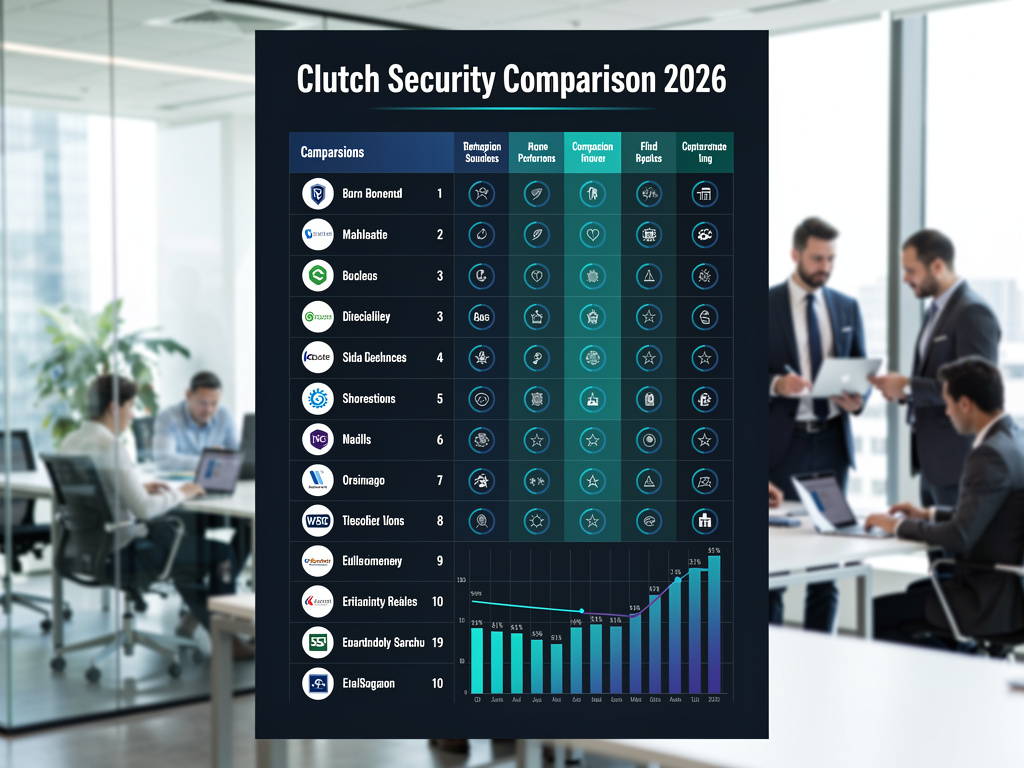
| Platform | Core Focus | Deployment Model | Integration Strength | Scalability | Pricing Model |
|---|---|---|---|---|---|
| Clutch Security | Non-Human Identity Management | Cloud/Hybrid | Excellent | Enterprise | Premium |
| Glide Identity | Unified Access Management | Cloud | Good | Mid-Market | Competitive |
| Identiq | Behavioral Analytics | Cloud/On-Premises | Good | Enterprise | Premium |
| Linx Security | Enterprise IAM | Hybrid/On-Premises | Excellent | Large Enterprise | Enterprise |
| Oasis Security | Cloud-Native Security | Cloud-Native | Excellent | Cloud-Scale | Moderate |
| Permit.io | Authorization | Cloud | Developer-Focused | High Performance | Developer-Friendly |
| Token Security | Token Management | Cloud/Hybrid | API-Focused | High Performance | Specialized |
| Transmit Security | Passwordless Authentication | Cloud | Consumer-Focused | Massive Scale | Usage-Based |
Security Capabilities and Compliance Comparison
Security features and compliance certifications vary significantly across platforms. Organizations must evaluate these capabilities against their specific regulatory and security requirements.
Encryption and data protection standards differ in implementation and sophistication. Most platforms support industry-standard encryption for data at rest and in transit. Advanced solutions provide additional protections like field-level encryption and zero-knowledge architectures.
Access control granularity affects how precisely organizations can define permissions. Role-based access control represents the baseline, while attribute-based and policy-based models provide greater flexibility. The choice depends on organizational complexity and governance requirements.
Audit and logging capabilities support both security monitoring and compliance requirements. Comprehensive platforms provide detailed activity logs, policy change tracking, and compliance reporting. Integration with SIEM systems enables centralized security operations.
Compliance certifications demonstrate vendor commitment to security standards. Common certifications include SOC 2 Type II, ISO 27001, and industry-specific standards. Organizations should verify that certifications align with their regulatory requirements.
Integration Capabilities and Ecosystem Support
Integration flexibility determines how well solutions fit into existing technology ecosystems. Modern organizations require platforms that work seamlessly with diverse tools and services.
API quality and documentation affect integration success and developer experience. Well-designed APIs with comprehensive documentation accelerate implementation timelines. SDKs for popular programming languages further simplify integration efforts.
Pre-built connectors reduce integration complexity for common platforms. Leading solutions provide connectors for major cloud providers, development tools, and enterprise applications. The breadth and quality of these integrations impact total cost of ownership.
Webhook and event-driven architectures enable real-time integration with external systems. These capabilities support automated workflows and responsive security processes. Event schemas and delivery guarantees affect reliability and implementation complexity.
Standards compliance ensures interoperability with other identity solutions. Support for SAML, OAuth, OpenID Connect, and SCIM protocols enables standard-based integrations. This compliance future-proofs investments and reduces vendor lock-in risks.
Pricing Models and Total Cost of Ownership
Understanding pricing structures and hidden costs helps organizations make informed financial decisions. Identity management solutions use various pricing models that impact long-term costs.
Per-user pricing scales with organizational growth but can become expensive for large deployments. This model suits organizations with predictable user counts and steady growth patterns. Hidden costs may include inactive user charges and administrative account fees.
Feature-based pricing provides flexibility but requires careful planning. Organizations pay for specific capabilities rather than user counts. This model works well for specialized use cases but can become complex with multiple feature tiers.
Transaction-based pricing aligns costs with actual usage. High-volume organizations may find this model expensive, while smaller organizations benefit from lower entry costs. Understanding transaction definitions and rate limits prevents unexpected charges.
Implementation and ongoing costs extend beyond licensing fees. Professional services, training, integration development, and maintenance require additional budget allocation. These costs often exceed initial licensing expenses over multi-year periods.
Performance and Scalability Considerations
Platform performance affects user experience and operational efficiency. Organizations must evaluate scalability characteristics against current and projected requirements.
Response time and throughput metrics indicate platform performance under normal and peak loads. Authentication and authorization operations require low latency to avoid impacting user experiences. Throughput capabilities determine how many concurrent operations platforms can handle.
Geographic distribution and edge performance matter for global organizations. Platforms with worldwide presence provide better user experiences across regions. Content delivery networks and regional data centers reduce latency and improve reliability.
Auto-scaling capabilities ensure consistent performance during demand fluctuations. Cloud-native platforms typically excel in this area, automatically adjusting resources based on load. Traditional solutions may require manual capacity planning and over-provisioning.
Database and storage architecture affects long-term scalability. Modern platforms use distributed architectures that scale horizontally. Legacy systems may face bottlenecks as organizations grow and data volumes increase.
Implementation Strategies and Best Practices
Successful identity management implementations require careful planning and execution. Organizations can avoid common pitfalls by following proven implementation strategies.
Phased rollout approaches reduce implementation risks and allow iterative improvements. Starting with pilot groups or specific use cases enables learning and refinement. Gradual expansion builds confidence and addresses issues before full deployment.
Stakeholder engagement ensures broad organizational support for identity initiatives. Security teams, developers, IT operations, and business users have different requirements and concerns. Regular communication and feedback collection improve adoption rates.
Training and change management programs prepare teams for new tools and processes. Technical training covers platform capabilities and integration procedures. Change management addresses workflow modifications and cultural adaptations.
Testing and validation procedures verify platform functionality and security controls. Comprehensive testing includes functional, performance, and security assessments. Validation ensures platforms meet organizational requirements before production deployment.
Future Trends in Identity Management Technology
The identity management landscape continues evolving rapidly. Understanding emerging trends helps organizations make forward-looking technology decisions.
Zero trust architectures fundamentally change how organizations approach identity and access management. These models assume no inherent trust and verify every access request. Identity platforms must provide continuous authentication and fine-grained authorization capabilities.
Artificial intelligence and machine learning enhance security and user experiences. AI-powered platforms provide better threat detection, adaptive authentication, and automated policy generation. These capabilities reduce administrative overhead while improving security posture.
Decentralized identity models give users greater control over their identity information. Blockchain and distributed ledger technologies enable self-sovereign identity solutions. Organizations must prepare for hybrid models that combine centralized and decentralized approaches.
Privacy regulations continue expanding globally, affecting identity platform requirements. Solutions must provide granular consent management, data minimization, and user rights fulfillment. Privacy-by-design principles become essential for compliance and user trust.
Making the Right Choice for Your Organization
Selecting among Entro Security alternatives requires careful evaluation of organizational needs, technical requirements, and strategic goals. No single solution fits every use case perfectly.
Assessment frameworks provide structured approaches for evaluating platforms. Organizations should develop weighted criteria that reflect their priorities and constraints. Proof-of-concept projects validate theoretical assessments with practical experience.
Vendor evaluation processes should include technical demonstrations, reference calls, and contract negotiations. Understanding vendor roadmaps and strategic direction helps predict long-term alignment. Financial stability and market position affect ongoing support quality.
Risk assessment identifies potential implementation and operational challenges. Technical risks include integration complexity and performance issues. Business risks encompass vendor viability and contract terms. Mitigation strategies reduce exposure to identified risks.
Success metrics define how organizations will measure implementation outcomes. Security metrics include threat detection rates and incident response times. Operational metrics cover user satisfaction and administrative efficiency. Business metrics assess cost reduction and compliance improvements.
Conclusion
The identity management landscape offers diverse solutions for organizations seeking Entro Security alternatives. Each platform brings unique strengths, from Clutch Security’s comprehensive non-human identity management to Transmit Security’s innovative passwordless approach. Success depends on aligning platform capabilities with organizational requirements and strategic objectives.
Careful evaluation across security, integration, scalability, and cost dimensions ensures informed decision-making. Organizations that invest time in thorough assessment and structured implementation processes achieve better outcomes and stronger security postures in our rapidly evolving digital landscape.
Frequently Asked Questions About Entro Security Alternatives
What are the main differences between Entro Security alternatives?
The primary differences lie in their core focus areas and architectural approaches. Clutch Security specializes in non-human identity management with comprehensive discovery capabilities. Oasis Security emphasizes cloud-native environments and DevOps integration. Transmit Security focuses on passwordless authentication, while Permit.io excels in fine-grained authorization. Organizations should evaluate platforms based on their specific identity management priorities and technical requirements.
Which Entro Security alternative is best for small to medium businesses?
Glide Identity and Permit.io typically offer the most accessible options for smaller organizations. Glide Identity provides unified access management with competitive pricing and intuitive interfaces. Permit.io offers developer-friendly authorization capabilities with flexible implementation options. Both platforms provide essential identity management features without the complexity and cost associated with enterprise-focused solutions.
How do these platforms handle compliance requirements?
Compliance capabilities vary significantly across platforms. Linx Security and Clutch Security maintain comprehensive compliance certifications including SOC 2, ISO 27001, and industry-specific standards. Most platforms provide audit logging, policy enforcement, and compliance reporting features. Organizations in regulated industries should verify that chosen platforms meet specific regulatory requirements and provide necessary documentation for audits.
What integration capabilities should I prioritize when choosing alternatives?
Essential integration capabilities include API quality, pre-built connectors for existing tools, and standards compliance. Evaluate platforms based on their support for your current technology stack, including cloud providers, development tools, and enterprise applications. Consider webhook support for real-time integrations and SDK availability for custom development. Strong integration capabilities reduce implementation complexity and long-term maintenance costs.
How do pricing models compare across these identity management solutions?
Pricing models range from per-user subscriptions to usage-based billing and feature tiers. Enterprise solutions like Linx Security typically use custom pricing based on organizational size and requirements. Cloud-native platforms often offer transparent, usage-based pricing that scales with actual consumption. Organizations should consider total cost of ownership including implementation, training, and ongoing operational expenses when comparing alternatives.
Which platforms work best for cloud-native and DevOps environments?
Oasis Security leads in cloud-native identity management with excellent DevOps integration and secrets scanning capabilities. Permit.io provides developer-friendly authorization tools that integrate seamlessly into CI/CD pipelines. Token Security offers specialized token management for API-heavy environments. These platforms emphasize automation, infrastructure-as-code, and developer experience while maintaining security controls.
What security features are most important in Entro alternatives?
Critical security features include comprehensive encryption, fine-grained access controls, audit logging, and threat detection capabilities. Advanced platforms provide behavioral analytics, risk-based authentication, and automated remediation. Look for solutions that offer secrets scanning, privilege escalation detection, and integration with security information and event management (SIEM) systems. The specific features needed depend on organizational risk tolerance and compliance requirements.
How long does implementation typically take for these platforms?
Implementation timelines vary from weeks to months depending on organizational complexity and chosen platform. Simple deployments with pre-built integrations can complete within 4-8 weeks. Complex enterprise implementations requiring custom integrations and extensive policy configuration may take 3-6 months. Factors affecting timeline include existing infrastructure complexity, integration requirements, user training needs, and organizational change management processes.
References:
G2 Entro Security Alternatives
Gartner Identity Management Reviews




 Stack Insight is intended to support informed decision-making by providing independent information about business software and services. Some product details, including pricing, features, and promotional offers, may be supplied by vendors or partners and can change without notice.