
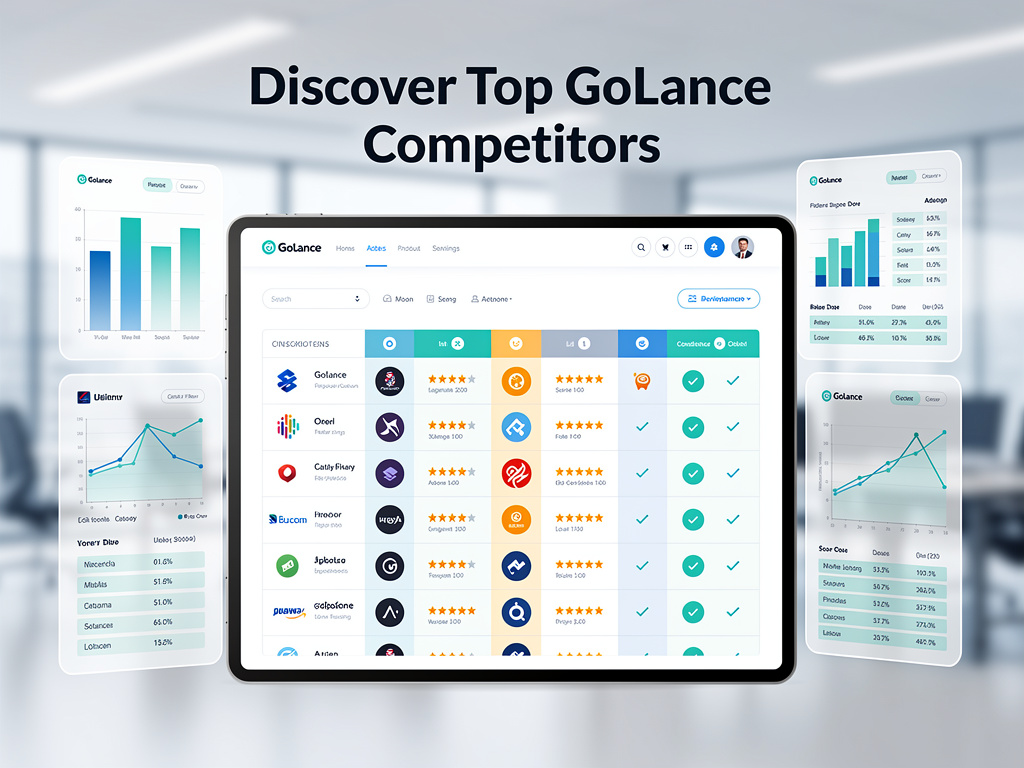
Best GoLance Competitors in 2026: Complete Guide to Top Freelance Platforms

Fiverr Review
- Huge marketplace with hundreds of service types across key categories
- Gig-based, fixed pricing makes it easy to compare options and budget
- Strong search and filters (delivery time, budget, best-selling, relevance)
- Great for quick turnaround and standardized deliverables (logo, content, video edits)
- Secure payment flow with escrow-style protection and fraud monitoring
- Quality can vary widely between sellers, even within the same category
- Gig structure can be rigid for projects that change frequently
- Extra charges for add-ons, revisions, or scope changes can increase total cost
- Communication issues can occur due to language/time-zone differences
- Not ideal for complex, enterprise, or long-term projects needing deep project management

Ruul Review
- Built for freelancers (invoicing + payments in one place)
- Works globally: 190+ countries and 140 currencies supported
- Fast payouts often within 24 hours (per user feedback)
- Automated tax/compliance documentation for international work
- Strong security posture: SSL, 2FA, PCI DSS, GDPR
- Integrations with accounting tools like QuickBooks and Xero, plus API access
- Transaction-based fees may add up for high-volume earners
- Payment speed can vary for certain corridors or during peak volume
- Some users may prefer simpler, single-purpose processors if they don’t need compliance tooling
- Advanced/custom integrations may require API work and technical resources

Toptal Review
- Highly vetted talent via rigorous multi-stage screening (top ~3%)
- Personalized matching reduces time spent sourcing and vetting
- Strong fit for complex, mission-critical, and time-sensitive projects
- Access to senior specialists and technical leadership-level freelancers
- Less noise than open marketplaces (no bidding wars, fewer low-quality applicants)
- Premium pricing; typical rates often $60–$200+/hour
- Not ideal for routine tasks or budget-constrained small businesses
- Limited client control vs. browsing an open marketplace (shortlisted options)
- High expectations and ongoing evaluation can add pressure on engagements
- Selective application process makes it difficult for many freelancers to join

Hired Review
- Reverse-recruiting approach reduces candidate spam and improves outreach relevance
- Pre-screened/curated talent pool helps employers save time on early-stage vetting
- Mandatory salary transparency sets clear expectations and reduces negotiation friction
- AI-powered matching improves fit for technical roles
- Success-based pricing (no upfront cost) lowers risk for employers
- Fast average hiring timeline (about 18–25 days reported)
- Employer fees (15–20% of first-year salary) can be expensive compared to in-house sourcing
- Best suited to tech/sales roles; less effective for broader or non-technical hiring
- Outcomes depend on profile quality and market demand for specific skills
- Not as broad in reach as general platforms like LinkedIn for certain talent segments

FlexJobs Review
- Manually screened listings help avoid scams and misleading postings
- Strong focus on remote and flexible work across 50+ industries
- Advanced search filters for schedule type, location, and experience level
- Extra membership perks: resume reviews, skills testing, webinars/coaching, interview and negotiation guidance
- Time-saving, curated approach vs. high-volume free job boards
- Requires a paid subscription to access opportunities
- Smaller overall job volume compared with free aggregators (e.g., Indeed Remote)
- Value depends on your situation (income level, urgency, time available)
- Some users report cancellation being less straightforward than expected
- Not ideal if you prefer broad-market searching and doing your own filtering

ComeUp Review
- Clear value for two different audiences: freelancers and off-road/recovery buyers
- ComeUp.com highlights lower fees and transparent pricing versus bigger marketplaces
- Supportive community/mentorship culture that helps new sellers ramp up
- Positive user testimonials about meaningful income potential
- ComeUp winches offer competitive capacities (DV Series 9,000–18,000 lb)
- Patented external brake/heat management design beneficial for synthetic rope use
- Good value proposition against more expensive legacy winch brands
- Brand confusion: ComeUp.com and ComeUp Industries are unrelated, which can mislead searchers
- Freelance platform details (exact fee tiers, protections, dispute flow) aren’t fully clear from the overview
- Winch buyers needing a large dealer network and instant parts availability may prefer Warn/Ramsey for critical operations
- Heavy-duty commercial users may need to validate long-term serviceability and local support before committing

PeoplePerHour Review
- Hand-reviewed freelancer approval helps maintain quality
- Strong UK market fit and cultural alignment for UK-based businesses
- Escrow-based payments with SSL/PCI and GDPR-focused protections
- “Hourlies” fixed-price offers alongside standard project proposals
- Progressive fee structure that decreases with long-term client relationships
- Initial platform fees are higher before relationships mature
- Smaller global footprint than the biggest marketplaces
- Manual vetting can slow onboarding for new freelancers
- Fewer but higher-quality proposals may reduce quick “volume” options for clients
99Designs Review
- Large global talent pool and many design options per project
- Contest model generates variety quickly (often within ~7 days)
- Fixed pricing and predictable spend; often cheaper than agencies
- Feedback-and-revision loop during the contest helps refine outcomes
- Quality tends to be higher than many low-end marketplaces due to vetting/monitoring
- Good fit for common design deliverables (logos, cards, covers, packaging, ads)
- Money-back guarantee adds buyer confidence
- Quality can vary widely by tier and individual designer
- Less ideal for complex branding/strategy that needs deep discovery and consultation
- Possible communication friction with international designers/time zones
- Some submissions may feel similar or derivative depending on the category
- Not the best match for clients who want one-to-one, long-term collaborative development

Guru Review
- SafePay escrow with milestone-based payments improves trust and cashflow control
- WorkRooms collaboration spaces support ongoing projects and organized communication
- Professional-leaning marketplace that favors serious clients and freelancers
- Identity checks, testimonials, and dispute resolution help maintain quality standards
- Membership tiers can reduce commissions and improve bidding value for active freelancers
- Lower project volume than larger freelance platforms can limit opportunities
- High competition in popular categories makes winning bids challenging
- Some geographic concentration may reduce relevance in certain markets
- Membership fees may not pay off for infrequent freelancers
- Success often requires strong profiles, positioning, and bidding strategy

Truelancer Review
- Milestone-based escrow and payment protection
- Secure payments (SSL + secure gateways) that users praise
- Good for beginners with lots of accessible project opportunities
- Helpful project management support for larger/complex engagements
- Built-in communication tools and dispute resolution
- High 20% commission compared with many competitors
- Commission may still apply even after initial contact, limiting direct client relationships
- No native video calling for smoother real-time collaboration
- Traditional bidding can be competitive and time-consuming for freelancers

GoLance Review
- Unique cashback incentive for clients that lowers effective project costs
- Curated freelancer lists help speed up hiring and reduce vetting time
- Good fit for SMBs with recurring freelance needs and tight budgets
- Supports a range of project sizes (short tasks to long-term work)
- Uses BlueSnap for payment processing and standard security practices
- Freelancers pay platform fees, which can materially reduce net earnings
- Talent quality and depth can vary versus larger, more established platforms
- Customer support experiences are mixed; resolutions may not always be consistent
- Best value is skewed toward clients, which may affect freelancer pricing competitiveness

Upwork Review
- Large marketplace with millions of users and consistent project volume
- All-in-one workflow: messaging, contracts, time tracking, payments, dispute handling
- Payment security and structured hiring process for clients
- Useful for SMBs needing specialized skills without hiring full-time
- Can support skill-building and portfolio growth for freelancers
- High fees can reduce freelancer earnings (5–20%) and add client processing costs
- Connects/proposal system creates extra costs and raises barriers to entry
- Intense competition makes it harder for new or generalist freelancers to stand out
- Support experience is often criticized as slow or unhelpful
- Platform dependency risk if most income relies on Upwork policies and visibility
The freelance marketplace has evolved dramatically in recent years. GoLance has established itself as a notable platform, but businesses seeking alternatives have numerous options available. Understanding the competitive landscape helps companies make informed decisions about where to source talent and manage projects.
This comprehensive analysis examines the top GoLance alternatives across various categories. Each platform offers unique features, pricing structures, and specializations. From budget-friendly options to premium talent networks, these competitors serve different business needs and project requirements.
We’ll evaluate each platform using consistent criteria including pricing, talent quality, user experience, and specialized services. This detailed comparison will help you identify the most suitable freelance platform for your specific requirements and budget constraints.
Understanding the GoLance Alternative Landscape
The freelance platform market includes diverse competitors targeting different segments. Some focus on volume and affordability, while others emphasize premium talent and specialized skills. GoLance competes primarily with platforms like Upwork, which generates $205.4M in annual revenue with over 1,000 employees.
These alternatives range from general marketplaces to niche-specific platforms. Design-focused sites like 99designs compete directly with GoLance’s creative services. Meanwhile, technical platforms like Toptal target enterprise clients seeking top-tier developers.
Market positioning varies significantly among competitors. Budget-conscious platforms attract small businesses, while premium services cater to enterprises willing to pay higher rates for guaranteed quality. Understanding these distinctions helps identify the most appropriate alternative for your needs.
Upwork: The Market Leader Among GoLance Rivals
Upwork stands as the largest freelance marketplace globally, offering comprehensive services across virtually every skill category. The platform connects millions of freelancers with businesses ranging from startups to Fortune 500 companies.
The pricing structure includes multiple tiers. Freelancers pay 5-20% commission fees based on their earnings with specific clients. Clients can choose between hourly and fixed-price projects, with optional premium features for enhanced visibility.
Quality control mechanisms include skill tests, portfolio reviews, and client feedback systems. The platform’s screening process is less rigorous than premium alternatives but more comprehensive than budget options. This balance attracts a diverse talent pool with varying skill levels.
Upwork’s enterprise solutions include dedicated account management and custom talent acquisition. Large organizations benefit from streamlined procurement processes and enhanced security features. The platform’s scale provides access to specialized skills across global time zones.
Upwork’s Strengths and Weaknesses
Advantages include massive talent diversity and established reputation. The platform offers robust project management tools and integrated payment processing. Client protection policies provide recourse for unsatisfactory work outcomes.
Disadvantages include high competition among freelancers and variable quality standards. Commission fees can be substantial for new freelancers. The platform’s size sometimes makes it challenging to stand out among numerous service providers.
Fiverr: Service-Based GoLance Substitute
Fiverr revolutionized freelance services by introducing the “gig” concept in 2010. Rather than bidding on projects, freelancers create predefined service packages with fixed pricing and delivery timelines. This approach appeals to clients seeking straightforward, predictable transactions.
The platform categorizes services into specific packages: Basic, Standard, and Premium. Pricing transparency helps clients budget accurately while enabling freelancers to scale their offerings systematically. Service categories span digital marketing, writing, programming, and creative design.
Quality varies significantly across different price points and sellers. Fiverr Pro offers vetted professionals for higher-end projects, while standard gigs cater to budget-conscious clients. The platform’s review system helps identify reliable service providers.
Fiverr’s commission structure charges freelancers 20% of each transaction. This higher fee supports platform marketing and client acquisition efforts. Buyers typically don’t pay additional fees beyond the advertised service prices.
Fiverr’s Market Position
The platform excels at quick, standardized deliverables like logo design, content writing, and social media graphics. Turnaround times are often shorter than traditional freelance platforms. This efficiency appeals to businesses needing rapid solutions.
Limitations include reduced customization options and communication barriers. Complex projects requiring extensive collaboration may not suit Fiverr’s model. The fixed-price structure can limit flexibility for evolving project requirements.
Freelancer.com: Comprehensive GoLance Alternative
Freelancer.com operates as one of the oldest and largest freelance marketplaces worldwide. The platform supports over 50 million registered users across diverse skill categories and geographic locations. Its longevity provides extensive case studies and proven track records.
The bidding system allows freelancers to compete for projects through proposals and pricing negotiations. Clients can review portfolios, ratings, and previous work samples before making hiring decisions. This traditional approach offers maximum flexibility for custom requirements.
Pricing includes various membership tiers for both freelancers and clients. Commission fees range from 10% for basic accounts to 3% for premium memberships. Additional features include milestone payments, dispute resolution, and project tracking tools.
Contest functionality enables clients to crowdsource solutions from multiple freelancers simultaneously. This approach works particularly well for creative projects where exploring various concepts adds value. Winners receive payment while participants gain portfolio exposure.
Freelancer.com Features and Benefits
The platform’s maturity translates to robust functionality and reliable support systems. Mobile apps enable project management from anywhere. Integration with popular business tools streamlines workflow management.
Challenges include intense price competition and variable quality standards. The large user base can make it difficult for new freelancers to gain visibility. Some clients report communication challenges with overseas service providers.
Toptal: Premium GoLance Competitor
Toptal positions itself as an elite freelance network exclusively featuring the top 3% of talent. The platform’s rigorous screening process includes technical interviews and trial projects. This selectivity ensures high-quality outcomes but limits the available talent pool.
Pricing reflects the premium positioning, with hourly rates typically exceeding $60 for developers and designers. Clients pay additional platform fees but receive guaranteed satisfaction and dedicated project management support. The investment targets enterprises prioritizing quality over cost.
Specialization focuses primarily on software development, design, and project management. Toptal freelancers often possess extensive experience with Fortune 500 companies. This background enables them to handle complex, mission-critical projects effectively.
The matching process involves consultation calls to understand project requirements thoroughly. Dedicated talent managers identify suitable candidates based on technical skills, industry experience, and cultural fit. This personalized approach reduces hiring risks significantly.
Toptal’s Value Proposition
Quality assurance and risk mitigation represent Toptal’s primary advantages. Clients receive two-week trial periods to evaluate freelancer performance. The platform handles all administrative tasks, allowing clients to focus on project outcomes.
Limitations include high costs and limited availability for budget-conscious projects. The screening process can extend hiring timelines compared to immediate-access platforms. Smaller businesses may find the premium pricing prohibitive.
PeoplePerHour: Flexible GoLance Substitute
PeoplePerHour combines fixed-price “Hourlies” with traditional project bidding systems. This hybrid approach accommodates both standardized tasks and custom project requirements. The platform primarily serves small to medium-sized businesses seeking reliable freelance support.
The Workstream feature enables ongoing relationships between clients and freelancers. This functionality supports long-term collaborations beyond single project engagements. Recurring work arrangements benefit both parties through established trust and streamlined processes.
Pricing includes 20% commission fees for freelancers on the basic plan. Pro memberships reduce fees to 7.5% while adding enhanced visibility features. Clients access additional project management tools through premium subscriptions.
The platform emphasizes UK and European talent, though global freelancers participate actively. This geographic focus can benefit clients seeking timezone compatibility and cultural alignment for their projects.
PeoplePerHour’s Unique Features
The AI-powered matching system suggests relevant freelancers based on project requirements. Automated proposal generation helps speed up the hiring process. These technological enhancements differentiate PeoplePerHour from traditional bidding platforms.
Weaknesses include smaller talent pools compared to major competitors and limited enterprise features. The platform’s European focus may not suit all geographic requirements. Some advanced project management capabilities are less developed than larger alternatives.
Guru: Professional GoLance Alternative
Guru targets professional services and long-term working relationships. The platform’s structure supports both project-based work and ongoing partnerships. This flexibility appeals to businesses seeking consistent freelance support rather than one-time engagements.
The SafePay system provides payment protection for both parties through escrow services. Milestone-based payments reduce financial risks while ensuring freelancers receive compensation for completed work. This security encourages higher-quality talent participation.
Commission structures vary by membership level, ranging from 8.95% to 4.95% for freelancers. Clients can access premium features through paid subscriptions including enhanced project management tools and priority support. The pricing model balances affordability with advanced functionality.
Workroom functionality enables seamless collaboration through file sharing, communication tools, and progress tracking. These integrated features reduce the need for external project management platforms. The centralized approach simplifies workflow management significantly.
Guru’s Competitive Advantages
The platform’s emphasis on professional relationships sets it apart from transaction-focused alternatives. Detailed freelancer profiles include work history, client testimonials, and skill assessments. This transparency helps clients make informed hiring decisions.
Limitations include smaller user bases and reduced international reach compared to major competitors. Some specialized skill categories may have limited freelancer availability. The platform’s features may seem less innovative compared to newer entrants.
99designs: Creative-Focused GoLance Rival
99designs specializes exclusively in design services, competing directly with GoLance’s creative offerings. The platform’s contest model allows clients to receive multiple design concepts from various freelancers before selecting winners. This approach works particularly well for branding and marketing materials.
1-to-1 projects enable traditional freelance relationships for complex design work. This option suits clients requiring extensive collaboration and iteration. The dual approach accommodates different project types and client preferences effectively.
Pricing varies by project complexity and designer experience levels. Contest prices start at $299 for basic logo designs and can exceed $2,000 for comprehensive branding packages. The investment reflects the platform’s focus on professional-quality creative work.
Designer vetting includes portfolio reviews and skill assessments. The screening process ensures consistent quality standards across all service providers. This curation appeals to clients prioritizing design excellence over cost minimization.
99designs’ Specialized Approach
The platform’s design expertise enables sophisticated project categorization and specialist matching. Industry-specific templates and guidelines help freelancers understand client requirements. This specialization often results in higher-quality outcomes than generalist platforms.
Drawbacks include limited service categories and higher pricing compared to general platforms. Businesses needing diverse skill sets may require multiple platform relationships. The contest model may not appeal to clients preferring direct freelancer relationships.
Truelancer: Budget-Friendly GoLance Competitor
Truelancer focuses on affordable freelance services for small businesses and startups. The platform’s low commission fees and competitive pricing attract budget-conscious clients. This positioning makes professional services accessible to organizations with limited resources.
Commission rates start at 8% for freelancers, decreasing with higher membership tiers. The reduced fees enable competitive pricing while maintaining platform sustainability. Clients benefit from lower project costs compared to premium alternatives.
Service categories include writing, programming, design, and digital marketing. The platform emphasizes quick turnaround times and straightforward project processes. This efficiency appeals to clients seeking immediate solutions without extensive vetting procedures.
The escrow payment system provides security for both parties while maintaining simplicity. Milestone payments enable progress tracking without complex contract negotiations. The streamlined approach reduces administrative overhead significantly.
Truelancer’s Market Niche
Value-focused positioning attracts price-sensitive clients willing to trade premium features for cost savings. The platform’s growth in emerging markets provides access to competitive talent pools. This geographic diversity enables round-the-clock project execution.
Limitations include less rigorous quality control and reduced enterprise features. Customer support may be more limited compared to premium platforms. Some advanced project management capabilities are unavailable or underdeveloped.
FlexJobs: Employment-Focused GoLance Alternative
FlexJobs differentiates itself by focusing on legitimate remote employment opportunities rather than traditional freelance projects. The platform screens all job postings to eliminate scams and low-quality opportunities. This curation appeals to professionals seeking stable, long-term remote work.
Subscription-based pricing charges job seekers rather than employers or freelancers. This model ensures high-quality job listings while providing comprehensive career resources. The investment demonstrates serious commitment from both parties.
Categories include full-time remote positions, part-time work, and freelance opportunities. The diversity accommodates different career stages and work-life balance preferences. Many listings come from established companies rather than individual project owners.
Career coaching and resume services provide additional value beyond job listings. These resources help candidates present themselves effectively to potential employers. The comprehensive approach supports long-term career development.
FlexJobs’ Unique Value
The employment focus attracts higher-quality opportunities with established companies. Salary information and benefits packages provide transparency rarely found on project-based platforms. This approach suits professionals seeking career advancement through remote work.
Drawbacks include subscription costs and reduced flexibility compared to project-based platforms. The employment focus may not suit businesses needing short-term project support. Some opportunities may require traditional employee relationships rather than freelance arrangements.
DesignCrowd: Creative Services GoLance Substitute
DesignCrowd operates primarily through design contests, enabling clients to crowdsource creative solutions from global talent pools. The platform guarantees money-back satisfaction if clients aren’t satisfied with submissions. This assurance reduces risks associated with creative project outcomes.
Contest categories include logos, websites, print materials, and product packaging. Pricing varies based on project complexity and designer participation levels. Higher contest prizes typically attract more experienced designers and submission quantities.
The 1-on-1 option provides traditional freelance relationships for complex projects requiring extensive collaboration. This flexibility accommodates different project types and client preferences within the same platform ecosystem. Clients can choose approaches based on specific requirements.
Designer ratings and portfolio reviews help clients identify suitable talent for direct hiring. The platform’s global reach provides access to diverse creative perspectives and cultural insights. This diversity often results in innovative solutions and fresh approaches.
DesignCrowd’s Competitive Edge
The contest model generates multiple creative options for single investments. Clients can explore various design directions before committing to specific concepts. This exploration phase often leads to better final outcomes and reduced revision requirements.
Limitations include focus on design services only and potential ethical concerns about unpaid contest work. Some designers prefer guaranteed payment for time invested. The contest model may not suit all project types or client preferences.
ComeUp: Emerging GoLance Competitor
ComeUp represents a newer entrant in the freelance marketplace, focusing on simplified service purchasing and delivery. The platform emphasizes user experience optimization and streamlined transaction processes. This approach appeals to clients seeking hassle-free freelance service acquisition.
Service categories mirror traditional platforms but with enhanced categorization and search functionality. Advanced filtering options help clients identify suitable service providers quickly. The improved user interface reduces time investment in freelancer selection processes.
Commission structures remain competitive with established platforms while offering promotional rates for new users. The platform invests heavily in user acquisition and retention programs. These incentives can provide cost advantages for early adopters.
Quality control mechanisms include automated screening and manual review processes. The hybrid approach balances efficiency with quality assurance. Customer support emphasizes rapid response times and proactive issue resolution.
ComeUp’s Growth Strategy
Innovation focus enables rapid feature development and platform improvements. User feedback integration drives continuous optimization efforts. This responsiveness can result in superior user experiences compared to legacy platforms.
Challenges include limited brand recognition and smaller talent pools. Network effects favor established platforms with larger user bases. Some advanced features may still be under development or unavailable.
Additional Notable GoLance Alternatives
Ruul serves as a financial infrastructure platform for freelancers, providing invoicing, payment processing, and tax management services. This specialization appeals to independent contractors seeking administrative support rather than project acquisition.
Hired focuses on connecting tech talent with companies through curated matching processes. The platform emphasizes permanent placement over project-based work. This approach suits software developers and other technical professionals seeking full-time remote opportunities.
Each alternative platform serves specific niches within the broader freelance ecosystem. Understanding these specializations helps identify the most suitable options for particular business requirements and project types. No single platform dominates all categories effectively.
Platform Comparison and Selection Criteria
| Platform | Commission Fees | Specialization | Quality Level | Best For |
|---|---|---|---|---|
| Upwork | 5-20% | General | Variable | Large talent pool |
| Fiverr | 20% | Quick services | Variable | Standard deliverables |
| Freelancer.com | 3-10% | General | Variable | Budget projects |
| Toptal | Variable | Premium tech | Highest | Enterprise clients |
| 99designs | Variable | Design only | High | Creative projects |
Selection criteria should prioritize project requirements over platform popularity. Budget constraints, timeline requirements, and quality expectations significantly influence platform suitability. Consider long-term relationship potential when evaluating different alternatives.
Making the Right Choice for Your Business
Successful platform selection requires careful analysis of specific business needs and project characteristics. Budget-conscious organizations may prioritize cost-effective options like Truelancer or Freelancer.com. Enterprises requiring guaranteed quality should consider premium alternatives like Toptal.
Project complexity influences platform choice significantly. Simple, standardized tasks suit gig-based platforms like Fiverr, while complex custom development projects benefit from traditional bidding systems or premium matching services.
Geographic considerations affect timezone compatibility and cultural alignment. Local or regional platforms may provide advantages for location-specific requirements. Global platforms offer broader talent pools but may present communication challenges.
Testing multiple platforms with smaller projects enables informed decisions before committing to significant investments. This approach reveals platform strengths and weaknesses specific to your business requirements and working style preferences.
Conclusion
The freelance platform landscape offers numerous GoLance alternatives serving different business needs and budgets. From premium talent networks to budget-friendly marketplaces, each option provides unique advantages and limitations. Successful selection requires matching platform characteristics to specific project requirements.
Consider quality expectations, budget constraints, and long-term relationship potential when evaluating alternatives. The right platform choice can significantly impact project outcomes and business success in the competitive freelance marketplace.
Frequently Asked Questions About GoLance Competitors
- Which GoLance competitor offers the lowest commission fees?
Freelancer.com provides some of the lowest commission rates, ranging from 3% for premium members to 10% for basic accounts. Toptal and premium platforms may have different fee structures but typically cost more overall. - What’s the best GoLance alternative for design projects?
99designs and DesignCrowd specialize exclusively in creative services, offering contest models and curated design talent. These platforms typically deliver higher-quality design outcomes than general marketplaces. - Which platform provides the highest quality freelancers compared to GoLance?
Toptal maintains the most rigorous screening process, accepting only the top 3% of applicants. This selectivity ensures premium quality but comes with higher pricing and longer hiring timelines. - Are there any free alternatives to GoLance for small businesses?
While most platforms charge commission fees, some like FlexJobs use subscription models. Freelancer.com offers competitive rates, and many platforms provide free basic membership tiers with limited features. - Which GoLance competitor works best for long-term projects?
Guru and PeoplePerHour emphasize ongoing working relationships through features like Workstream and dedicated workrooms. Upwork also supports long-term collaborations with reduced commission fees over time. - What platform should I choose for quick, standardized tasks?
Fiverr excels at rapid delivery of predefined services through its gig-based model. ComeUp also focuses on streamlined transactions for straightforward project requirements. - Which GoLance alternative offers the best customer support?
Premium platforms like Toptal provide dedicated account management and comprehensive support. Established platforms like Upwork offer extensive help resources, while newer entrants like ComeUp emphasize responsive customer service. - Can I use multiple platforms simultaneously instead of just one GoLance competitor?
Yes, many businesses use multiple platforms to access different talent pools and service types. This diversified approach can optimize costs and quality depending on specific project requirements.





 Stack Insight is intended to support informed decision-making by providing independent information about business software and services. Some product details, including pricing, features, and promotional offers, may be supplied by vendors or partners and can change without notice.