
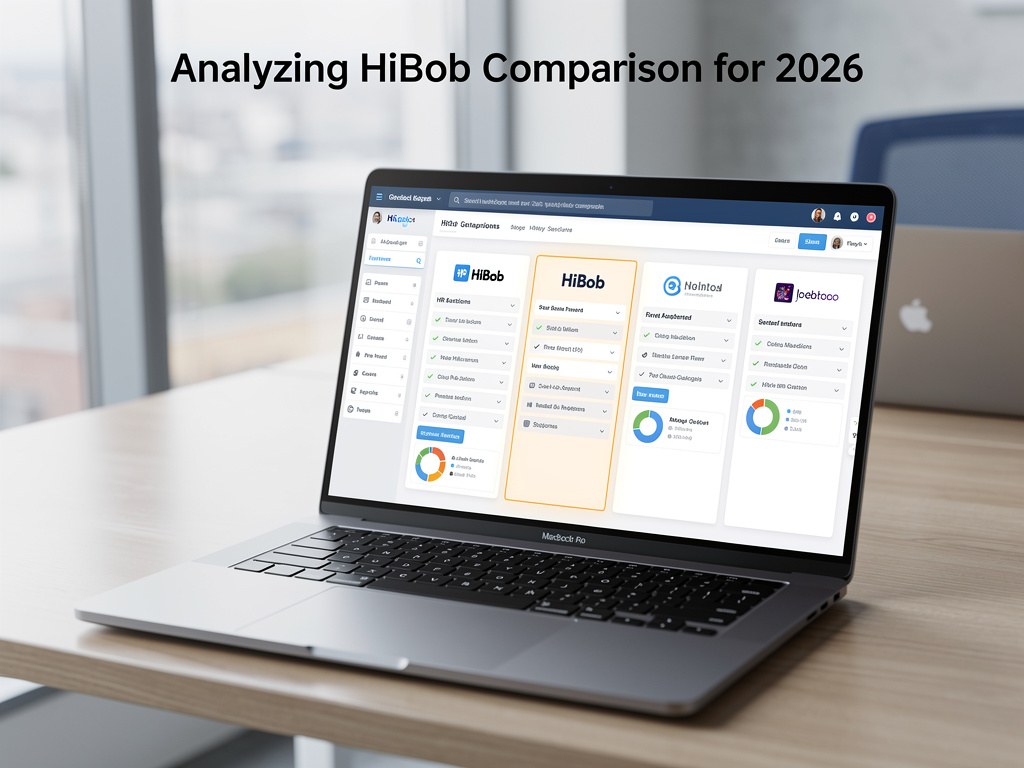
Comprehensive HiBob Comparison: Finding the Best HR Platform for Your Business in 2026
The human resources technology landscape has evolved dramatically in recent years, with organizations seeking platforms that balance comprehensive functionality with user-friendly design. HiBob has emerged as a leading contender in the modern HRIS space, offering social media-inspired engagement features and global compliance capabilities. However, choosing the right HR platform requires careful consideration of your organization’s specific needs, budget constraints, and growth trajectory. This comprehensive analysis examines HiBob against its primary competitors, evaluating each platform across critical factors including user experience, feature depth, pricing structure, integration capabilities, and scalability. We’ll explore how HiBob stacks up against alternatives like Teamflect, Workday, BambooHR, Rippling, and other market leaders to help you make an informed decision for your organization’s HR technology stack.
Understanding HiBob’s Position in the Modern HRIS Market
HiBob positions itself as a people management platform designed for modern, mid-market companies seeking to enhance employee engagement while streamlining HR operations. The platform distinguishes itself through its social media-like interface that encourages peer recognition and cultural development.
Core philosophy centers on employee experience rather than traditional administrative efficiency. This approach appeals to organizations prioritizing workplace culture and employee satisfaction alongside operational effectiveness.
The platform serves companies ranging from 100 to 5,000 employees, targeting the gap between basic HR tools and enterprise-level solutions like Workday or SAP. HiBob’s sweet spot lies in providing enterprise-grade functionality without the complexity and cost traditionally associated with large-scale HRIS implementations.
Global compliance capabilities represent another key differentiator, with built-in support for international employment regulations across multiple jurisdictions. This feature particularly benefits growing companies expanding into new markets or managing distributed teams.
HiBob vs Teamflect: Performance Management Focus
Teamflect emerges as a specialized alternative for organizations heavily invested in the Microsoft ecosystem. Unlike HiBob’s comprehensive HRIS approach, Teamflect focuses specifically on performance management and employee engagement within Microsoft Teams.
Native Microsoft integration eliminates the app-switching challenges that frustrate many HiBob users. Employees can access performance reviews, goal tracking, and engagement surveys directly within their existing workflow tools.
The performance management capabilities differ significantly between platforms. While HiBob includes basic performance review features as part of its broader offering, organizations requiring comprehensive performance tracking often find these capabilities insufficient for their needs.
Teamflect addresses this gap by providing advanced goal management, continuous feedback mechanisms, and detailed performance analytics. The platform’s specialized focus allows for deeper functionality in areas where HiBob offers more surface-level features.
Pricing structures reveal another key difference. Teamflect offers the most comprehensive free plan among HiBob alternatives, supporting up to 10 users with full access to performance management features. This pricing model benefits small teams testing performance management solutions before committing to larger implementations.
For organizations already using Microsoft 365, the integration value proposition becomes compelling. Teams can conduct performance reviews, track objectives, and gather feedback without leaving their familiar work environment.
Feature Comparison: Teamflect vs HiBob
Performance tracking represents the primary area where Teamflect excels over HiBob. The specialized platform offers:
- 360-degree feedback systems with customizable review cycles
- OKR tracking with real-time progress monitoring
- Continuous feedback tools enabling ongoing performance conversations
- Advanced analytics for performance trend analysis
HiBob’s performance features include basic review templates and goal-setting capabilities, but lack the depth required for comprehensive performance management strategies.
Employee engagement approaches also differ substantially. HiBob emphasizes social recognition and cultural building through its newsfeed-style interface. Teamflect focuses on engagement through regular check-ins, pulse surveys, and performance-based feedback mechanisms.
Enterprise-Grade Comparison: HiBob vs Workday
Workday represents the enterprise end of the HRIS spectrum, offering comprehensive human capital management capabilities for large organizations. The comparison between HiBob and Workday illustrates the classic choice between enterprise depth and mid-market agility.
Scalability differences become apparent when examining organizational size capabilities. Workday comfortably handles Fortune 500 implementations with complex organizational structures, while HiBob optimizes for companies in the 100-5,000 employee range.
Implementation complexity varies dramatically between platforms. HiBob emphasizes quick deployment and minimal training requirements, appealing to organizations seeking rapid time-to-value. Workday implementations typically require extensive planning, customization, and change management processes.
The choice often comes down to organizational maturity and complexity requirements rather than simple feature comparisons. Established enterprises with complex reporting hierarchies and regulatory requirements gravitate toward Workday’s comprehensive capabilities.
Cost structures reflect these different positioning strategies. Workday pricing typically requires significant upfront investment and ongoing maintenance costs. HiBob offers more predictable per-employee pricing suitable for growing companies with budget constraints.
Workday’s Enterprise Advantages
Advanced reporting and analytics capabilities distinguish Workday from mid-market alternatives. The platform provides:
- Complex workforce analytics with predictive modeling capabilities
- Advanced financial integration connecting HR data with budgeting systems
- Comprehensive compliance reporting for heavily regulated industries
- Sophisticated workflow automation handling complex approval processes
These capabilities exceed what most mid-market organizations require, making HiBob’s streamlined approach more practical for smaller companies.
Global capabilities represent another area where Workday demonstrates enterprise strength. The platform handles complex multi-country implementations with varying legal requirements, currency considerations, and reporting standards.
Mid-Market Battle: HiBob vs BambooHR
BambooHR and HiBob compete directly in the mid-market HRIS space, both targeting growing companies seeking comprehensive HR functionality without enterprise complexity. The platforms share similar target audiences but approach user experience differently.
User interface philosophy represents a key differentiator. BambooHR emphasizes simplicity and ease of use, requiring minimal training for new users. HiBob incorporates social media-inspired elements that enhance engagement but may require additional learning time.
Feature depth varies across different HR functional areas. BambooHR provides solid foundational capabilities across core HR functions, while HiBob includes more advanced engagement tools and cultural development features.
Customer support quality receives high marks from both user bases, though approach and availability differ. BambooHR focuses on responsive traditional support channels, while HiBob emphasizes self-service resources and community-driven assistance.
Pricing transparency gives BambooHR an advantage for budget-conscious organizations. The platform provides clear per-employee pricing with predictable scaling costs. HiBob’s pricing structure includes various modules and add-ons that can complicate cost projections.
Core Feature Analysis
Employee records management capabilities show minimal differences between platforms, with both offering comprehensive profile management, document storage, and basic reporting functionality.
Time-off management represents an area where both platforms excel, providing automated approval workflows, balance tracking, and calendar integration. BambooHR’s interface receives praise for intuitive design, while HiBob offers more customization options.
Reporting capabilities favor HiBob slightly, with more advanced analytics and visualization options. BambooHR provides essential reporting functionality suitable for most organizations but lacks the deeper analytical tools some companies require.
All-in-One Alternative: HiBob vs Rippling
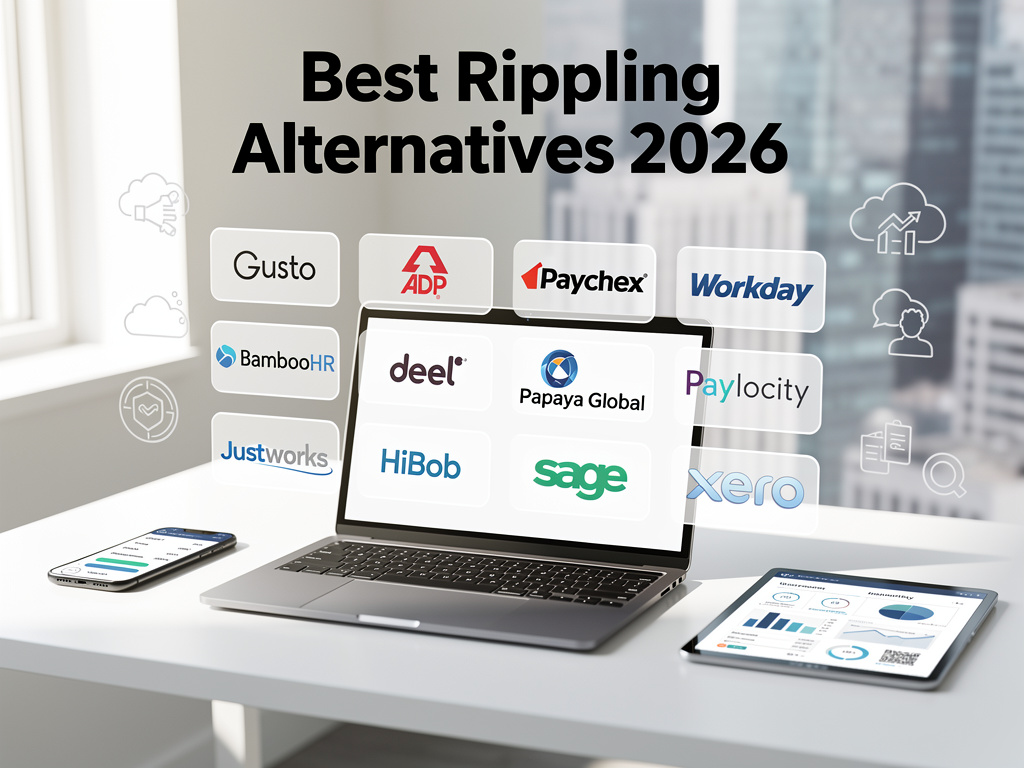
Rippling presents a unique value proposition by combining HR, IT, and finance functions into a unified platform. This approach contrasts with HiBob’s HR-focused specialization, creating interesting trade-offs for organizations evaluating comprehensive business management solutions.
Platform philosophy differs fundamentally between the two solutions. HiBob concentrates on delivering excellent HR and people management experiences. Rippling aims to unify business operations across multiple departments through shared employee data.
The unified approach offers compelling advantages for organizations seeking to reduce system complexity and improve data consistency. Rippling’s Employee Graph architecture connects employee information across all business functions, enabling powerful automation capabilities.
However, this complexity comes at a cost. Rippling implementations require more extensive planning and coordination across departments. HiBob’s focused approach enables faster deployment and clearer ownership within HR teams.
Integration requirements illustrate another key difference. Organizations using Rippling reduce their need for third-party integrations by consolidating multiple functions. HiBob users typically maintain separate systems for finance and IT functions, requiring ongoing integration management.
Rippling’s Unified Platform Advantages
The 90-second onboarding capability demonstrates Rippling’s integration power, automatically provisioning accounts across multiple systems when new employees join. This automation extends beyond HR into IT equipment, software access, and financial system setup.
Workflow Studio provides advanced automation capabilities that span business functions:
- Cross-departmental workflows connecting HR actions with IT and finance processes
- Automated compliance management ensuring consistent policy enforcement
- Integrated reporting combining people, financial, and operational data
- Centralized vendor management reducing administrative overhead
These capabilities exceed what traditional HRIS platforms offer but require organizational readiness for comprehensive platform adoption.
Specialized Solution: HiBob vs Calamari
Calamari represents a different category of HR solution, focusing specifically on time and attendance tracking, leave management, and related compliance functions. This specialized approach appeals to organizations prioritizing accuracy in these specific areas over comprehensive HRIS functionality.
Specialization benefits become apparent when examining time tracking accuracy and compliance capabilities. Calamari’s focused development enables deeper functionality in attendance management than broader platforms typically provide.
The platform particularly excels in industries with complex time tracking requirements, such as manufacturing, healthcare, or professional services. Organizations needing detailed labor cost analysis or complex overtime calculations often find specialized tools more capable than general HRIS modules.
Pricing structures favor specialized solutions for organizations with specific needs. Calamari’s focused pricing model avoids paying for unused comprehensive HRIS features, making it attractive for companies satisfied with their current HR systems but seeking better time management.
Implementation complexity typically remains lower with specialized solutions. Calamari deployments focus on specific processes rather than comprehensive HR transformation, reducing change management requirements.
When Specialization Makes Sense
Organizations considering specialized solutions like Calamari versus comprehensive platforms like HiBob should evaluate their primary pain points:
- Time tracking accuracy issues with current systems
- Compliance requirements specific to attendance management
- Integration capabilities with existing HR infrastructure
- Budget constraints limiting comprehensive platform adoption
Companies with functioning HR systems but struggling with time and attendance management may find specialized solutions more cost-effective than platform replacement.
Enterprise Platform Alternatives: HiBob vs ADP and SAP
ADP and SAP represent established enterprise solutions with decades of market presence and comprehensive functionality. These platforms serve large organizations requiring extensive customization, complex reporting, and industry-specific features.
Market maturity distinguishes these solutions from newer platforms like HiBob. ADP’s payroll expertise and SAP’s enterprise software experience provide stability and proven scalability for large implementations.
However, this maturity comes with legacy system challenges. User interfaces often reflect older design principles, requiring more extensive training and potentially lower adoption rates compared to modern platforms.
Customization capabilities exceed what mid-market platforms typically offer. Large organizations can modify workflows, create custom reports, and integrate with complex existing systems through extensive configuration options.
Total cost of ownership includes significant implementation, customization, and ongoing maintenance expenses that make these solutions impractical for smaller organizations.
Enterprise Feature Depth
ADP’s payroll capabilities demonstrate the depth available in specialized enterprise solutions:
- Multi-country payroll processing with local compliance management
- Complex benefits administration handling multiple plan types and eligibility rules
- Advanced tax management with real-time regulation updates
- Comprehensive audit trails meeting regulatory requirements
These capabilities far exceed what most mid-market organizations require, making HiBob’s streamlined approach more practical for growing companies.
Pricing and Value Analysis Across Platforms
Understanding pricing structures across different HRIS platforms requires examining both direct costs and hidden expenses. Platform pricing models vary significantly, from simple per-user fees to complex module-based structures.
Transparent pricing models benefit budget planning and vendor comparison processes. BambooHR and Teamflect offer clear per-user pricing with predictable scaling costs. HiBob and Rippling use module-based pricing that can complicate cost projections.
Implementation costs often exceed initial platform pricing considerations. Enterprise solutions require extensive consulting, customization, and training expenses. Mid-market platforms typically offer faster implementation with lower consulting requirements.
Ongoing maintenance and support costs vary dramatically between vendor approaches. Some platforms include comprehensive support in base pricing, while others charge separately for advanced assistance or customization services.
Total cost of ownership calculations should include integration costs, training expenses, and potential productivity impacts during implementation periods.
Value Proposition Comparison
Different platforms optimize for different value metrics:
- Teamflect: Maximizes value through free tier and Microsoft integration
- HiBob: Balances functionality with reasonable mid-market pricing
- BambooHR: Provides predictable costs with solid foundational features
- Rippling: Justifies higher costs through multi-department consolidation
- Enterprise platforms: Deliver maximum functionality at premium pricing
Organizations should align value metrics with their primary objectives and constraints when evaluating pricing structures.
Integration Capabilities and Ecosystem Considerations
Modern HR platforms must integrate seamlessly with existing business systems to provide comprehensive value. Integration capabilities vary significantly across different solution categories and vendor approaches.
Native integrations provide the most reliable connectivity but limit flexibility to specific vendor partnerships. HiBob offers native integrations with popular business tools while maintaining API access for custom connections.
API quality and documentation determine custom integration feasibility for organizations with specific system requirements. Enterprise platforms typically provide robust APIs with extensive documentation, while smaller vendors may offer limited integration support.
Marketplace ecosystems enable organizations to extend platform functionality through third-party applications. Larger platforms attract more marketplace partners, providing greater customization options.
Integration maintenance represents an ongoing operational consideration. Native integrations require minimal maintenance, while custom API connections need regular monitoring and updates.
Microsoft Ecosystem Integration
Organizations heavily invested in Microsoft technologies should prioritize integration quality with Office 365 and Teams. Teamflect’s native Teams integration provides seamless user experience, while other platforms offer varying levels of Microsoft connectivity.
Key integration points include:
- Single sign-on with Azure Active Directory
- Calendar integration for scheduling and time off visibility
- SharePoint connectivity for document management
- Teams integration for communication and workflow
The depth and reliability of Microsoft integrations can significantly impact user adoption and operational efficiency.
User Experience and Adoption Factors
Platform adoption success depends heavily on user experience design and change management support. Different platforms approach user experience with varying philosophies and priorities.
Interface design trends influence user comfort and learning curves. HiBob’s social media-inspired interface appeals to users familiar with modern consumer applications. Traditional platforms may require more extensive training but offer familiar business software patterns.
Mobile capabilities become increasingly important for distributed workforces and managers requiring on-the-go access. Platform mobile experiences range from responsive web interfaces to dedicated native applications with offline capabilities.
Training requirements vary based on interface complexity and feature depth. Simpler platforms enable faster adoption but may limit advanced functionality access. More sophisticated platforms require investment in user education but provide greater long-term value.
Change management support from vendors can significantly impact implementation success. Some vendors provide extensive onboarding resources, while others rely on partner networks or customer self-service.
Adoption Best Practices
Successful platform adoption requires attention to several key factors:
- Executive sponsorship demonstrating organizational commitment
- Pilot programs testing functionality with representative user groups
- Training programs appropriate to platform complexity and user needs
- Feedback mechanisms enabling continuous improvement during rollout
- Success metrics measuring adoption progress and identifying issues
Platform choice should align with organizational change management capabilities and user experience expectations.
Scalability and Growth Considerations
Organizations must evaluate HRIS platforms based on future growth projections rather than current needs alone. Scalability requirements vary based on business models, growth rates, and expansion plans.
User scaling capabilities determine platform viability as organizations grow. Mid-market solutions typically handle growth up to several thousand employees before requiring enterprise platform migration.
Geographic expansion creates additional scalability requirements around multi-country support, local compliance, and currency handling. Platforms with strong international capabilities reduce future migration risks.
Feature scaling involves platform capabilities to handle increased data volumes, more complex organizational structures, and advanced functionality requirements that emerge with organizational maturity.
Platform migration costs can be substantial, making scalability evaluation critical during initial platform selection. Organizations should consider long-term platform viability rather than optimizing solely for current requirements.
Growth Stage Alignment
Different platforms optimize for specific organizational growth stages:
- Startup phase: Teamflect’s free tier and simple implementation
- Growth phase: HiBob and BambooHR’s mid-market optimization
- Scale phase: Rippling’s unified platform approach
- Enterprise phase: Workday, ADP, and SAP’s comprehensive capabilities
Platform selection should anticipate organizational evolution over 3-5 year planning horizons.
Compliance and Security Comparison
Regulatory compliance and data security represent critical evaluation factors for HRIS platforms. Requirements vary based on industry, geographic location, and organizational risk tolerance.
Global compliance capabilities become essential for organizations operating across multiple jurisdictions. HiBob includes built-in compliance support for various international employment regulations, while specialized regional platforms may offer deeper local expertise.
Data security standards and certifications provide baseline assurance for platform safety. Enterprise platforms typically maintain extensive security certifications, while smaller vendors may offer fewer formal validations but implement modern security practices.
Privacy regulation compliance, particularly GDPR and similar frameworks, requires specific platform features and vendor commitments. Organizations should verify compliance capabilities match their regulatory requirements.
Audit trail capabilities support compliance reporting and investigation requirements. Enterprise platforms typically provide more comprehensive audit functionality than mid-market alternatives.
Security Feature Comparison
Key security capabilities to evaluate across platforms include:
- Data encryption in transit and at rest
- Access control with role-based permissions
- Authentication options including multi-factor and SSO
- Backup and recovery procedures and guarantees
- Vendor security practices and incident response procedures
Organizations in regulated industries should prioritize platforms with appropriate compliance certifications and audit capabilities.
Platform Comparison Summary and Selection Framework
Selecting the optimal HRIS platform requires systematic evaluation of organizational needs, constraints, and future requirements. The comparison reveals distinct platform categories optimized for different use cases and organizational characteristics.
Specialized solutions like Teamflect and Calamari provide deep functionality in specific areas while maintaining simplicity and cost-effectiveness. These platforms suit organizations with particular pain points or specific integration requirements.
Mid-market platforms including HiBob and BambooHR balance comprehensive functionality with reasonable complexity and pricing. These solutions serve growing organizations seeking professional HR capabilities without enterprise-level costs.
Unified platforms like Rippling appeal to organizations wanting to consolidate multiple business functions while accepting increased implementation complexity and costs.
Enterprise solutions provide maximum functionality and customization for large organizations with complex requirements and substantial budgets.
Selection Decision Framework
Organizations should evaluate platforms across these key dimensions:
| Platform | Best For | Key Strengths | Main Limitations | Pricing Tier |
|---|---|---|---|---|
| HiBob | Mid-market companies prioritizing engagement | Social features, global compliance, user experience | Performance management depth, pricing complexity | Mid-range |
| Teamflect | Microsoft-centric organizations | Native Teams integration, performance focus, free tier | Limited broader HRIS functionality | Low to free |
| BambooHR | Small to mid-size companies seeking simplicity | Ease of use, transparent pricing, solid support | Advanced analytics, enterprise scalability | Low to mid-range |
| Rippling | Organizations wanting unified business platform | Cross-functional integration, automation, rapid onboarding | Implementation complexity, learning curve | Mid to high-range |
| Workday | Large enterprises with complex requirements | Enterprise scalability, advanced analytics, customization | Implementation cost, complexity, overkill for smaller orgs | High-range |
The optimal platform choice depends on organizational size, growth trajectory, budget constraints, integration requirements, and functional priorities. Companies should prioritize platforms aligning with their current needs while providing reasonable scalability for future growth.
Conclusion
The HRIS platform landscape offers diverse solutions optimized for different organizational needs and growth stages. HiBob provides strong mid-market value through its engagement-focused approach and global compliance capabilities, though organizations requiring deep performance management or enterprise-level functionality may find better fits elsewhere. Success depends on aligning platform capabilities with specific organizational requirements, budget constraints, and long-term strategic objectives rather than pursuing feature maximization alone.
Frequently Asked Questions About HiBob Comparison
Common Questions Regarding HiBob Platform Evaluation
- Who should choose HiBob over other HRIS platforms?
HiBob works best for mid-market companies (100-5,000 employees) prioritizing employee engagement and culture building. Organizations expanding globally benefit from built-in compliance features, while companies wanting social media-like workplace interaction find the platform appealing. - Why would someone choose Teamflect instead of HiBob?
Organizations heavily using Microsoft Teams and Office 365 should consider Teamflect for its native integration. Companies needing advanced performance management features or operating with limited budgets benefit from Teamflect’s specialized focus and free tier option. - What are the key benefits of HiBob’s approach compared to traditional HRIS systems?
HiBob emphasizes employee engagement through social features, provides faster implementation than enterprise solutions, includes global compliance capabilities, and offers modern user interface design. The platform balances comprehensive functionality with user-friendly experience. - When should organizations consider enterprise solutions like Workday over HiBob?
Large organizations (5,000+ employees) with complex reporting requirements, heavily regulated industries needing extensive audit capabilities, companies requiring deep customization, or enterprises with substantial implementation budgets should evaluate enterprise platforms. - How do pricing models compare between HiBob and its alternatives?
HiBob uses module-based pricing that can increase costs as functionality expands. BambooHR offers transparent per-user pricing, Teamflect provides extensive free capabilities, while enterprise solutions require significant upfront investment. Total cost includes implementation, training, and ongoing support expenses. - Which platforms offer the best integration capabilities?
Teamflect excels in Microsoft ecosystem integration, Rippling provides cross-functional business system connectivity, while HiBob offers solid third-party integrations. Enterprise platforms typically provide the most extensive API capabilities for custom integrations. - What security and compliance features should organizations prioritize?
Essential features include data encryption, role-based access controls, audit trail capabilities, and relevant compliance certifications. Organizations in regulated industries should verify specific compliance requirements match platform capabilities before selection. - How important is platform scalability for growing organizations?
Platform scalability determines long-term viability and migration avoidance costs. Mid-market solutions handle growth up to several thousand employees, while enterprise platforms support unlimited scaling. Organizations should evaluate 3-5 year growth projections when selecting platforms.
References:
Best HiBob Alternatives Analysis
HRIS Platform Comparison Study



 Stack Insight is intended to support informed decision-making by providing independent information about business software and services. Some product details, including pricing, features, and promotional offers, may be supplied by vendors or partners and can change without notice.