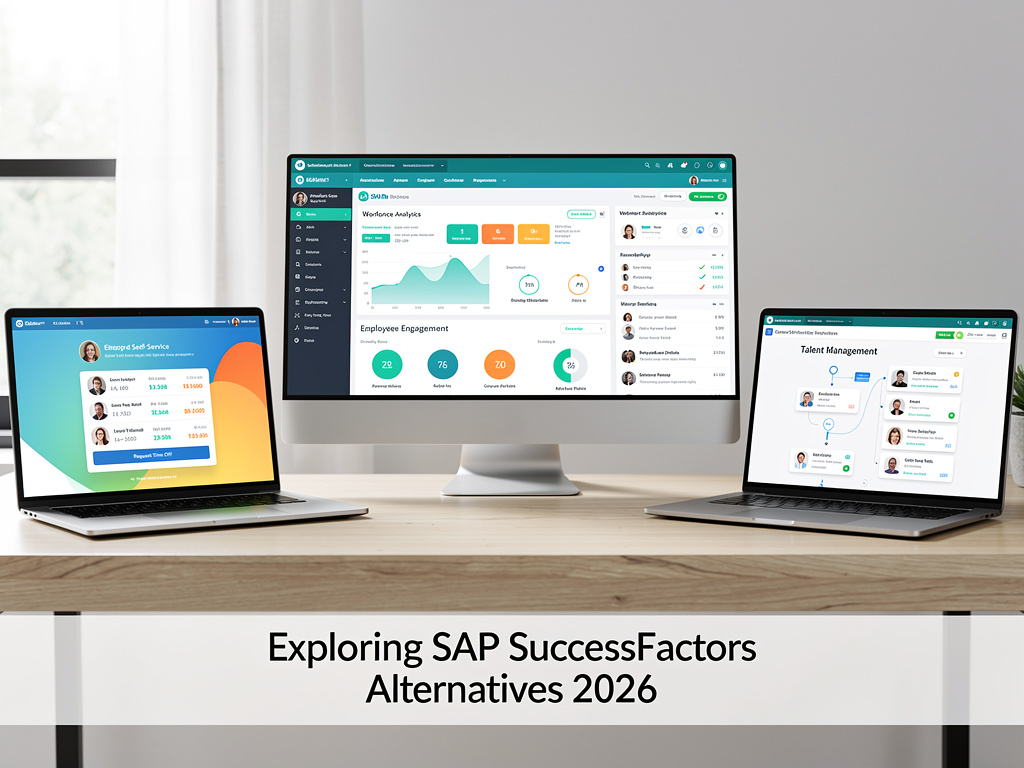
Top 9 SAP SuccessFactors Alternatives for Modern Talent Management in 2026

Hibob Review
- Intuitive user friendly interface
- Strong employee engagement tools
- Scales well for growing teams
- Dedicated customer success managers
- No native payroll processing
- Benefits need third party tools
- Advanced setup can be complex

Rippling Review
- All in one platform
- Powerful automation workflows
- Hundreds of integrations available
- Strong security compliance
- Complex setup for workflows
- Training across teams required
- Advanced modules raise costs

BambooHR Review
- Intuitive interface for SMBs
- Strong core HR modules
- Fast implementation timeline
- Excellent customer support
- Basic payroll and time tracking
- Benefits module still maturing
- Custom integrations can be tricky
- Limited industry specific features
Zoho People Review
- Centralized employee data
- Automated time and attendance
- Streamlined leave approvals
- Performance management tools
- Setup can take time
- May need Zoho ecosystem

Paylocity Review
- Unified HR and payroll suite
- Strong payroll accuracy
- Modern mobile self service
- Robust reporting and compliance
- Implementation can be complex
- Extra fees for add ons
- Support response times vary

Workday Review
- Cloud native architecture
- Integrated HR and finance
- Modern user experience
- Strong for compliance needs
- Implementation can be complex
- Limited customization flexibility
- Best for larger companies

SAP SuccessFactors Review
- Comprehensive talent management suite
- Strong global compliance coverage
- Scalable for large enterprises
- Advanced workforce analytics
- Complex implementation and rollout
- Steep user interface learning
- Long deployment timelines
- Change management heavy

ADP Workforce Now Review
- Best in class payroll accuracy
- Strong multi state compliance
- All in one HCM platform
- Extensive API integrations
- Complex for smaller teams
- Pricing adds up quickly
- Long implementation timeline
- Training required for users

UKG Ready Review
- All in one HR suite
- Cloud based scalable design
- Strong integrations and APISs
- Compliance tools and updates
- Limited international capabilities
- Moderate admin learning curve
- Complex reports need it help
- Support quality varies by tier

Namely Review
- Unified HR payroll benefits suite
- Modern intuitive interface
- Strong customization options
- Good implementation guidance
- Implementation can take weeks
- Integrations may add cost
- Support quality can vary
- Needs dedicated project resources
SAP SuccessFactors has long been a dominant force in the enterprise HR technology landscape. However, many organizations are now seeking alternatives that offer better user experiences, more competitive pricing, or specialized features. The modern talent management ecosystem presents numerous compelling options that can match or exceed SuccessFactors’ capabilities.
Whether you’re a mid-sized company looking for more intuitive interfaces or a large enterprise seeking advanced AI-driven insights, the market offers robust solutions. Cost considerations, implementation complexity, and specific industry requirements often drive the search for alternatives.
Today’s HR technology buyers prioritize platforms that combine comprehensive functionality with ease of use. They want systems that employees actually enjoy using while providing administrators with powerful analytics and automation capabilities. This comprehensive review examines nine leading alternatives, evaluating each platform against critical business criteria to help you make an informed decision.
Understanding the Need for SAP SuccessFactors Replacements
Organizations typically seek SuccessFactors alternatives for several compelling reasons. Cost optimization ranks among the top drivers, as many companies find the total cost of ownership exceeding their HR technology budgets.
User experience challenges frequently motivate platform switches. Employees and HR professionals often report that SuccessFactors feels outdated or overly complex for routine tasks. Modern alternatives prioritize intuitive design and mobile-first experiences.
Implementation and customization difficulties also push companies toward more agile solutions. Many organizations need HR systems that can adapt quickly to changing business requirements without extensive technical resources.
Specific feature gaps represent another common concern. Some companies require specialized functionality for their industry or unique talent management approaches that SuccessFactors doesn’t adequately address.
Key Evaluation Criteria for HR Platform Selection
Selecting the right HR technology requires systematic evaluation across multiple dimensions. Functionality breadth determines whether a platform can handle your organization’s complete talent lifecycle needs.
User experience quality directly impacts adoption rates and employee satisfaction. The best platforms combine powerful capabilities with interfaces that feel natural and efficient.
Implementation complexity affects both timeline and total project costs. Solutions that offer guided setup processes and pre-built integrations typically deliver faster value realization.
Scalability considerations ensure your chosen platform can grow with your organization. Look for systems that maintain performance and usability as employee counts and data volumes increase.
- Integration capabilities with existing business systems
- Reporting and analytics depth and customization options
- Mobile accessibility and offline functionality
- Security and compliance certifications
- Vendor support quality and response times
HiBob: Modern HR Platform for Mid-Market Companies
HiBob positions itself as the modern alternative to traditional enterprise HR systems. The platform emphasizes employee experience while providing comprehensive talent management capabilities.
The system excels in user interface design, offering clean dashboards and intuitive navigation that requires minimal training. Employees can easily access payroll information, request time off, and update personal details through web and mobile interfaces.
Performance management features include customizable review cycles, goal tracking, and continuous feedback tools. The platform supports 360-degree reviews and provides managers with guided conversation templates.
HiBob’s people analytics capabilities help organizations understand workforce trends, identify flight risks, and measure engagement levels. The reporting system offers both standard reports and custom dashboard creation.
Integration options cover popular business applications including Slack, Microsoft Teams, and various payroll providers. The API enables custom integrations for organizations with specific requirements.
Pricing transparency represents a key differentiator, with clear per-employee costs and no hidden implementation fees. The platform typically costs significantly less than enterprise alternatives while delivering comparable functionality.
Rippling: All-in-One Employee Management Solution
Rippling takes a comprehensive approach by combining HR, IT, and finance functions in a single platform. This integration eliminates data silos and reduces administrative overhead.
The platform automates employee onboarding across all business systems simultaneously. New hires receive properly configured accounts, access permissions, and equipment without manual IT intervention.
Payroll processing integrates directly with HR data, ensuring accuracy and reducing compliance risks. Multi-state and international payroll capabilities support organizations with distributed workforces.
Device and application management features allow HR teams to provision and secure employee technology resources. The system handles everything from laptop deployment to software license management.
Rippling’s workflow automation extends beyond basic HR processes to include complex business rules and approval chains. Organizations can create custom workflows that span multiple departments and systems.
The platform’s unified data model ensures consistency across all employee information touchpoints. Changes made in one area automatically propagate throughout the entire system.
BambooHR: User-Friendly Solution for Growing Businesses
BambooHR focuses on simplicity and ease of use while providing essential HR functionality. The platform serves small to medium-sized businesses that prioritize quick implementation and minimal complexity.
Employee self-service capabilities include time-off requests, personal information updates, and document access. The mobile app ensures employees can complete HR tasks from anywhere.
Applicant tracking features streamline the hiring process with customizable job posting templates, candidate scoring, and interview scheduling. Integration with popular job boards automates candidate sourcing.
Performance management tools support goal setting, regular check-ins, and formal review processes. Managers receive automated reminders and guided workflows to ensure consistency.
BambooHR’s reporting capabilities provide insights into turnover rates, compensation analysis, and compliance tracking. Custom report builders allow organizations to create specialized analytics.
The platform emphasizes data security with role-based permissions, audit trails, and compliance certifications. Regular security updates maintain protection against emerging threats.
Zoho People: Comprehensive HR Suite with Customization Options
Zoho People offers extensive customization capabilities within an integrated business software ecosystem. Organizations already using Zoho products benefit from seamless data sharing and unified user experiences.
The platform supports complex organizational structures with multiple locations, departments, and reporting hierarchies. Custom fields and forms accommodate unique data requirements across different business units.
Time and attendance tracking includes project-based time logging, overtime calculations, and integration with popular time clock systems. Mobile check-in capabilities support field workers and remote employees.
Learning management features enable organizations to create training programs, track completion rates, and assess employee skill development. Certification tracking ensures compliance with industry requirements.
Zoho People’s workflow automation handles complex approval processes and business rules. Organizations can create sophisticated workflows without technical expertise through visual design tools.
The platform’s multi-language support accommodates global workforces with localized interfaces and region-specific compliance features. Currency and taxation rules adapt to local requirements automatically.
ADP Workforce Now: Enterprise-Grade Platform for Complex Organizations
ADP Workforce Now delivers enterprise-level capabilities with particular strength in payroll processing and compliance management. The platform serves organizations with complex workforce structures and regulatory requirements.
Payroll functionality handles multi-state operations, union requirements, and specialized compensation structures. Tax management features ensure compliance across various jurisdictions and automatically update with regulatory changes.
Benefits administration tools support open enrollment periods, life event processing, and carrier integrations. Employees can compare plan options and make informed decisions through guided selection processes.
The platform’s compliance capabilities include FLSA tracking, FMLA administration, and EEO reporting. Automated alerts notify administrators of potential compliance issues before they become problems.
Talent acquisition features encompass job posting, candidate management, and background check processing. Integration with ADP’s screening services streamlines the hiring workflow.
Analytics and benchmarking tools provide industry comparisons and workforce insights. Organizations can compare their metrics against similar companies in their sector and geography.
Workday: Cloud-Native Platform for Large Enterprises
Workday represents the gold standard for large enterprise HR technology with sophisticated functionality and modern architecture. The platform handles complex global operations with advanced security and scalability.
Financial management integration distinguishes Workday from pure-play HR systems. Organizations can manage budgets, forecasting, and financial planning alongside workforce data.
Advanced analytics capabilities include predictive modeling, machine learning insights, and executive dashboards. The platform helps organizations anticipate workforce trends and make data-driven decisions.
Global deployment features support multiple currencies, languages, and regulatory environments. Localization options ensure compliance with regional employment laws and cultural preferences.
Workday’s security architecture includes advanced threat detection, data encryption, and comprehensive audit capabilities. The platform meets stringent enterprise security requirements.
The system’s configurability allows organizations to adapt business processes without custom development. Visual workflow designers enable business users to modify processes independently.
UKG Ready: Unified Workforce Management for Mid-Market Companies
UKG Ready combines human capital management with workforce management capabilities. The platform particularly serves organizations with hourly workforces and complex scheduling requirements.
Scheduling tools optimize labor costs while ensuring adequate coverage. Predictive scheduling features help managers forecast staffing needs and reduce overtime expenses.
Time and labor management includes sophisticated rules engines for overtime calculations, break tracking, and compliance monitoring. Mobile time clocks support various work environments and locations.
The platform’s employee engagement tools include pulse surveys, recognition programs, and communication features. Social collaboration capabilities foster team connections and knowledge sharing.
Talent acquisition functionality covers job posting, applicant tracking, and interview management. Integration with background check providers streamlines the screening process.
Business intelligence features provide operational insights and workforce analytics. Real-time dashboards help managers monitor key performance indicators and identify improvement opportunities.
Paylocity: Employee-Centric Platform with Strong Analytics
Paylocity emphasizes employee experience while providing comprehensive HR functionality. The platform combines traditional HR processes with modern social and collaboration features.
Social collaboration tools create community-like experiences within the workplace. Employee recognition programs boost engagement through peer-to-peer acknowledgment and achievement celebrations.
Performance management features support continuous feedback, goal alignment, and career development planning. The system provides employees with clear visibility into advancement opportunities.
Learning and development capabilities include course creation, skill tracking, and compliance training management. Personalized learning paths adapt to individual employee needs and career goals.
Video-based communication tools enable executives to share company updates and maintain connection with distributed workforces. Interactive features encourage employee participation and feedback.
Paylocity’s mobile application provides full functionality access from smartphones and tablets. Employees can complete most HR tasks without desktop computer access.
Namely: Simple yet Powerful HR Solution for Modern Workplaces
Namely targets mid-sized companies seeking enterprise-grade functionality without implementation complexity. The platform emphasizes clean design and straightforward user experiences.
Payroll processing includes multi-state capabilities, tax management, and direct deposit functionality. Benefits administration covers health insurance, retirement plans, and voluntary benefits coordination.
The platform’s social features create employee directories with organizational charts and team information. News feed functionality keeps employees informed about company updates and peer achievements.
Compliance management tools help organizations maintain accurate records and generate required reports. Automated reminders ensure deadlines are met and documentation is complete.
Time tracking capabilities support both exempt and non-exempt employees with flexible approval workflows. Integration with popular time clock systems accommodates various workplace configurations.
Custom reporting tools allow organizations to create specialized analytics and compliance reports. Data export options ensure compatibility with existing business intelligence systems.
Comparative Analysis and Platform Comparison
Each platform offers distinct advantages depending on organizational requirements and priorities. Enterprise organizations typically benefit most from Workday or ADP Workforce Now due to their comprehensive functionality and scalability.
Mid-market companies often find optimal value in HiBob, UKG Ready, or Paylocity, which balance feature richness with implementation simplicity.
Small businesses and startups frequently prefer BambooHR or Namely for their user-friendly interfaces and straightforward pricing models.
| Platform | Best For | Key Strength | Implementation Complexity | Pricing Model |
|---|---|---|---|---|
| HiBob | Mid-market companies | User experience | Low | Per employee/month |
| Rippling | Tech companies | IT integration | Medium | Modular pricing |
| BambooHR | Small businesses | Simplicity | Low | Flat monthly fee |
| Zoho People | Zoho ecosystem users | Customization | Medium | Usage-based |
| ADP Workforce Now | Complex compliance needs | Payroll expertise | High | Custom pricing |
| Workday | Large enterprises | Analytics depth | High | Enterprise licensing |
| UKG Ready | Hourly workforces | Workforce management | Medium | Per employee/month |
| Paylocity | Employee engagement focus | Social features | Medium | Tiered pricing |
| Namely | Simple deployments | Ease of use | Low | All-inclusive pricing |
Implementation Considerations and Best Practices
Successful HR platform implementations require careful planning and stakeholder alignment. Change management often determines project success more than technical capabilities.
Data migration represents a critical phase requiring thorough validation and testing. Legacy system integration may require custom development or third-party middleware solutions.
Training programs should address different user groups with role-specific content. Administrators need deep system knowledge while employees require focused training on features they’ll use regularly.
Timeline expectations should account for customization requirements and organizational complexity. Phased rollouts often provide better outcomes than attempting comprehensive launches.
- Executive sponsorship ensures adequate resources and organizational support
- Cross-functional teams address various stakeholder requirements
- Testing protocols validate system functionality before full deployment
- Communication plans keep employees informed throughout the transition
Future Trends in HR Technology and Platform Evolution
Artificial intelligence integration continues reshaping HR technology capabilities. Predictive analytics help organizations anticipate turnover, identify high performers, and optimize talent allocation.
Employee experience platforms are becoming more sophisticated with personalization engines and intelligent recommendations. Systems learn individual preferences and adapt interfaces accordingly.
Remote work capabilities have become essential rather than optional. Modern platforms must support distributed teams with mobile-first designs and collaboration tools.
Integration ecosystems are expanding beyond traditional HR boundaries. Business intelligence tools, communication platforms, and productivity applications require seamless data sharing.
Privacy regulations continue influencing platform design and data handling practices. GDPR compliance and similar regulations require sophisticated consent management and data protection capabilities.
For more comprehensive insights into HR technology trends, visit SHRM’s HR Technology section for latest industry developments.
Making the Right Choice for Your Organization
Platform selection requires balancing current needs with future growth expectations. Organizational culture should influence technology choices as much as functional requirements.
Budget considerations extend beyond licensing costs to include implementation, training, and ongoing support expenses. Total cost of ownership calculations help compare alternatives accurately.
Vendor stability and roadmap alignment ensure long-term partnership success. Organizations should evaluate vendor financial health and strategic direction.
Proof of concept deployments provide valuable insights before making final commitments. Most vendors offer trial periods or pilot programs for evaluation purposes.
Conclusion
The market offers compelling SAP SuccessFactors alternatives across various organizational sizes and requirements. Modern platforms prioritize user experience while delivering comprehensive functionality at competitive price points. Careful evaluation of business requirements, implementation capabilities, and vendor partnerships ensures successful platform selection. Choose solutions that align with organizational culture and growth objectives for optimal long-term value.
Frequently Asked Questions About SAP SuccessFactors Alternatives
- What are the main reasons companies switch from SAP SuccessFactors?
Companies typically switch due to high costs, complex user interfaces, lengthy implementation times, and lack of modern features. Many organizations also seek better mobile experiences and more intuitive employee self-service capabilities. - Which SAP SuccessFactors alternative offers the best value for mid-sized companies?
HiBob and BambooHR consistently rank highest for mid-sized companies due to their balance of functionality, ease of use, and transparent pricing. These platforms offer enterprise-grade features without the complexity of larger systems. - How long does it typically take to implement these alternative platforms?
Implementation timelines vary from 6-12 weeks for simple deployments like BambooHR to 6-12 months for complex enterprise solutions like Workday. Most mid-market solutions average 2-4 months for full deployment. - Do these alternatives integrate well with existing business systems?
Modern HR platforms prioritize integration capabilities with popular business applications. Most offer pre-built connectors for payroll systems, time clocks, and productivity tools, plus APIs for custom integrations. - What should organizations prioritize when evaluating these SAP SuccessFactors competitors?
Focus on user experience, total cost of ownership, scalability, and vendor support quality. Conduct thorough demos with actual users and validate integration capabilities with existing systems before making final decisions. - Are cloud-based alternatives more secure than SAP SuccessFactors?
Leading cloud platforms maintain security standards comparable to or exceeding SuccessFactors. Look for SOC 2 certification, GDPR compliance, and regular security audits when evaluating alternatives. - Which platform works best for organizations with remote workforces?
Rippling and Paylocity excel at supporting remote teams with comprehensive mobile apps, collaboration tools, and employee engagement features. These platforms prioritize distributed workforce management capabilities.
Additional resources and vendor comparisons can be found at G2’s comprehensive SAP SuccessFactors alternatives guide.



 Stack Insight is intended to support informed decision-making by providing independent information about business software and services. Some product details, including pricing, features, and promotional offers, may be supplied by vendors or partners and can change without notice.