
Capbase Review


Capbase Review 2026: The Complete Guide to This Startup Formation and Cap Table Platform
Starting a company involves way more paperwork than most founders expect. Between Delaware incorporation, issuing founder shares, filing 83(b) elections, and managing a cap table, the legal and financial side of building a startup can quickly become overwhelming. Capbase is a platform designed to handle all of this in one place.
In this Capbase review, we’ll break down everything you need to know about this tool. We’ll cover what it does, who it’s built for, how it compares to alternatives like Firstbase and Carta, and whether it’s worth your money. By the end, you’ll have a clear picture of whether Capbase fits your startup’s needs or if you should look elsewhere.
What Is Capbase? A Full Platform Overview
Capbase is a platform that helps founders set up and manage their startups. It handles company incorporation, cap table management, stock issuance, corporate governance, and compliance. All from a single dashboard.
The company was founded in 2018 and is based in San Francisco, California. In October 2025, Capbase was acquired by MainStreet. This acquisition brought Capbase into a larger ecosystem of tools designed to support founders from company formation through growth and exit.
The Core Problem Capbase Solves
The founders behind Capbase started with a frustration that many entrepreneurs know well. Why is it so hard to just start a company?
Between SAFEs, 83(b) elections, and cap table errors, the paperwork of launching a startup was broken. Traditional approaches meant hiring expensive lawyers, juggling multiple tools, and managing spreadsheets that quickly became outdated and error-prone.
Capbase was built to fix this problem. Instead of patching together different services for each task, founders can use one platform to handle:
- Delaware incorporation
- Founder share issuance
- Cap table setup and management
- SAFE and convertible note fundraising
- Employee stock option plans
- Investor document generation
- Corporate compliance tracking
Capbase’s Position in the MainStreet Ecosystem
After the MainStreet acquisition, Capbase became part of a larger founder operating system. MainStreet’s mission is to create the first true founder and small business operating system. This means an integrated platform giving entrepreneurs the tools, technology, and transparency to run their companies from day one through exit.
With Capbase as a foundational layer, MainStreet’s platform now enables founders to manage:
- Company formation
- Cap tables and equity
- Hiring and onboarding (both W-2 and 1099 workers)
- Payroll and benefits
- Bookkeeping and tax credits
Capbase serves as the legal foundation within this ecosystem. It works alongside Bench, which handles professional bookkeeping and tax filing to keep financials investor-ready.
Key Features of Capbase: A Detailed Breakdown

Let’s dig into each major feature that Capbase offers. Understanding what’s included will help you determine whether this platform covers your startup’s needs.
Delaware Incorporation
Most venture-backed startups incorporate in Delaware. There’s a good reason for this. Delaware has business-friendly laws, a specialized court system for corporate disputes, and is the standard that investors expect.
Capbase handles Delaware incorporation directly through its platform. This includes:
- Filing articles of incorporation with the Delaware Secretary of State
- Setting up your board of directors
- Adopting corporate bylaws
- Creating your initial corporate structure
The incorporation process through Capbase is designed to be straightforward. You don’t need to hire a separate lawyer or navigate state websites yourself. The platform guides you through each step and handles the filings on your behalf.
Founder Share Issuance and 83(b) Elections
After incorporation, one of the first things founders need to do is issue shares to themselves. This step is often more complicated than people expect.
Capbase handles founder share issuance including:
- Generating founder equity contracts
- Processing payments for shares
- Setting up vesting schedules
- Preparing 83(b) election forms
The 83(b) election is especially important. This IRS form allows founders to pay taxes on their shares at the grant date rather than when they vest. Since shares are typically worth very little at the start, this can save founders thousands or even millions in future taxes.
Missing the 83(b) deadline (30 days from receiving shares) is one of the most expensive mistakes founders make. Capbase helps you file this correctly and on time.
Cap Table Management
Your cap table tracks ownership in your company. It shows who owns what percentage, how many shares each person holds, and how that ownership might change in the future.
Cap table management is one of Capbase’s strongest features. The platform maintains your cap table automatically as you:
- Issue shares to founders
- Raise funds from investors
- Grant stock options to employees
- Convert SAFEs or convertible notes
Unlike spreadsheet-based cap tables, Capbase keeps everything in sync. When you issue new shares or close a funding round, the cap table updates automatically. This matters because cap table errors can cause serious problems during due diligence.
How Capbase’s Cap Table Differs from Spreadsheets
Many founders start with a spreadsheet to track their cap table. This approach seems simple at first. But it quickly becomes problematic.
| Spreadsheet Cap Tables | Capbase Cap Table |
|---|---|
| Manual updates required after every transaction | Automatic updates when shares are issued or investments close |
| Documents stored separately from cap table data | Documents automatically sync with cap table |
| Easy to make formula errors | Built-in calculations reduce errors |
| Multiple versions can exist, causing confusion | Single source of truth for all stakeholders |
| No audit trail of changes | Complete history of all cap table changes |
| Difficult to model future scenarios | Scenario modeling built into platform |
Your cap table also includes the contracts, stock certificates, and other items in your document room that determine who owns what. When you use Capbase, those documents automatically sync with your cap table. This means both are always up to date.
Equity Issuance and Contracts
Capbase provides tools to issue equity to anyone who needs it. This includes founders, employees, advisors, and investors.
The equity issuance process includes:
- Customizing legal agreements for each situation
- Generating documents automatically based on your inputs
- Digital signing so everything can be completed online
- Payment processing for share purchases
- Automatic cap table updates once transactions close
This approach saves significant time compared to working with a lawyer for each equity grant. You can issue shares, options, or other equity instruments without scheduling legal calls or waiting for documents to be drafted.
Employee Stock Option Plans
Most startups offer equity compensation to attract and retain talent. Managing stock options involves creating an equity plan, issuing grants, tracking vesting, and handling exercises.
Capbase lets you:
- Set up and manage equity compensation plans
- Issue and sell stock options
- Allocate shares for future growth
- Track vesting schedules for all employees
- Process option exercises when employees want to buy their shares
Having this built into the same platform as your cap table means everything stays coordinated. You don’t need to manually update your cap table every time someone vests or exercises options.
Fundraising Tools
Capbase is built for startups planning to raise venture capital. The platform supports common early-stage fundraising instruments like SAFEs and convertible notes.
Features for fundraising include:
- Generating investor documents for SAFE and convertible note rounds
- Onboarding investors through the platform
- Processing investments and documenting transactions
- Automatic cap table updates when investments complete
- Document room organization for due diligence
When investors conduct due diligence, they’ll want to review your cap table and supporting documents. Capbase makes it easy to export your cap table and document room for review. This can speed up the fundraising process and reduce back-and-forth with potential investors.
Corporate Governance and Compliance
Running a Delaware corporation involves ongoing compliance requirements. Board meetings, annual reports, state registrations, and other tasks can pile up if you’re not careful.
Capbase helps with corporate governance by:
- Tracking compliance deadlines
- Managing state business registrations
- Organizing corporate documents
- Facilitating board activities
This matters because missed compliance requirements can cause problems when you try to raise funding or sell your company. Investors and acquirers will review your corporate records during due diligence. Having everything organized and up to date makes this process smoother.
Who Should Use Capbase? Ideal Customer Profiles
Capbase isn’t for everyone. Understanding who benefits most from this platform will help you decide if it’s right for your situation.
Early-Stage Startup Founders Planning to Raise Venture Capital
This is Capbase’s primary audience. If you’re starting a company and plan to raise money from investors, Capbase is designed for you.
Founders in this category typically need to:
- Incorporate in Delaware (the standard for VC-backed companies)
- Issue founder shares with proper documentation
- Set up a cap table from day one
- Raise SAFEs or convertible notes from angel investors or early-stage funds
- Hire employees with stock options as part of compensation
- Stay compliant with corporate requirements
Capbase covers all of these needs in one platform. You can go from idea to incorporated company with a proper cap table in a matter of days.
Founders Who Want to Minimize Legal Costs Early On
Startup lawyers typically charge $400 to $600 per hour or more. Standard incorporation and initial setup can easily cost $5,000 to $15,000 in legal fees.
Capbase offers a way to handle much of this work at a fraction of the cost. The platform generates legally sound documents based on industry standards. While it doesn’t replace a lawyer for complex situations, it can handle routine formation and equity tasks.
Founders who are cash-constrained but want to do things properly often find Capbase appealing. You get professional-quality documentation without the professional-quality legal bills.
Companies Moving from Spreadsheet-Based Cap Tables
If you started managing your cap table in Excel or Google Sheets and it’s becoming unwieldy, Capbase offers a path forward.
You can use Capbase to set up your employee stock plan, issue equity, manage your cap table, and raise funds from investors even if you didn’t incorporate through the platform. The company offers a process to migrate existing companies onto the platform.
Contact their sales team if you want to move an existing company to Capbase. They’ll walk you through the migration process.
Technical Founders Who Prefer Self-Service Tools
Some founders prefer to handle things themselves rather than outsource to lawyers and accountants. Capbase is built for this mindset.
The platform is designed to be self-service. You can:
- Incorporate without scheduling calls with lawyers
- Issue equity without drafting documents from scratch
- Manage your cap table without hiring a CFO
- Raise funding without extensive legal back-and-forth
If you’re the type of founder who reads documentation, watches tutorials, and figures things out independently, Capbase fits that working style.
Who Should NOT Use Capbase
Capbase isn’t the right choice for everyone. Consider other options if you:
- Don’t plan to raise venture capital – If you’re building a lifestyle business or bootstrapping indefinitely, you may not need sophisticated cap table management
- Are incorporating outside Delaware – Capbase focuses on Delaware C-Corps, which are standard for VC-backed startups
- Have complex legal situations – Some situations require hands-on legal counsel that a platform can’t provide
- Need only incorporation – If you just want to incorporate and nothing else, simpler services might work
- Are a large company with complex equity structures – Capbase is built for early-stage startups, not enterprise needs
Capbase vs Firstbase: A Detailed Comparison

Firstbase is often compared to Capbase because both help founders start companies. But there are major differences in what each platform offers after incorporation.
Cap Table Management
Capbase maintains your cap table automatically as you issue shares and raise funds.
Firstbase has no cap table product. Founders using Firstbase typically end up managing their cap table manually in a spreadsheet or paying for a separate Carta subscription.
This is the biggest difference between the platforms. If you need cap table management, you’ll either need to add another tool to Firstbase or choose a platform like Capbase that includes it.
Equity Issuance
Capbase lets you issue founder shares, employee options, and investor securities directly through the platform. Documents are generated, signed, and synced to your cap table automatically.
Firstbase focuses on incorporation and registered agent services. For equity issuance, you’ll need to use separate tools or work with a lawyer.
Fundraising Support
Capbase is built for what comes after incorporation. This includes raising your first SAFE or convertible note, generating investor documents, and onboarding investors through the platform.
Firstbase doesn’t provide fundraising tools. You’ll need to generate SAFE documents elsewhere and manage investor onboarding through other means.
Long-Term Value
If you’re planning to raise venture capital, hire with equity, or run a proper cap table from day one, Firstbase will leave you patching together tools. Typically, this means Carta for cap table management and a lawyer for everything else.
Capbase provides a more complete solution for founders who need ongoing support beyond just incorporation.
| Feature | Capbase | Firstbase |
|---|---|---|
| Delaware Incorporation | Yes | Yes |
| Cap Table Management | Yes, automatic | No |
| Founder Share Issuance | Yes | No |
| Employee Stock Options | Yes | No |
| SAFE/Convertible Note Documents | Yes | No |
| Investor Onboarding | Yes | No |
| 83(b) Election Filing | Yes | Limited |
| Document Room | Yes, synced with cap table | Basic |
| Part of Larger Ecosystem | Yes (MainStreet) | No |
When to Choose Firstbase Over Capbase
Firstbase might make sense if you:
- Only need basic incorporation
- Already have a cap table solution you’re happy with
- Don’t plan to raise venture capital
- Want to choose your own tools for each function
But if you want an integrated solution that handles formation through fundraising, Capbase offers more value.
Capbase vs Carta: Understanding the Differences
Carta is probably the most well-known cap table management platform. Many venture-backed startups use it. How does Capbase compare?
Target Audience
Carta serves companies at all stages, from early-stage startups to public companies. It has different tiers and pricing for different company sizes.
Capbase focuses specifically on early-stage startups. It’s designed for the founder journey from formation through early growth stages.
Incorporation
Carta is primarily a cap table platform. While they offer some formation services, incorporation isn’t their core focus.
Capbase starts with incorporation and builds cap table management on top of that foundation. Everything is connected from day one.
All-in-One vs Specialized
Carta is a specialized cap table tool that does that one thing very well. It’s often used alongside other services for incorporation, legal, and finance.
Capbase aims to be more comprehensive for early-stage needs. Formation, equity, cap table, compliance, and now (through MainStreet) bookkeeping and payroll are connected.
Pricing Considerations
Carta’s pricing has historically been a point of frustration for some founders. Their plans can get expensive as your company grows and adds more stakeholders.
Capbase positions itself as a more affordable option for early-stage companies. If you’re using Firstbase plus Carta, Capbase offers a way to consolidate and potentially save money.
Integration with Other Tools
Both platforms offer API integrations that allow connection with other business tools. Capbase’s integration with the MainStreet ecosystem (including Bench for bookkeeping) provides a more complete solution without needing third-party connections.
The Five Cap Table Mistakes Founders Make (And How Capbase Helps Avoid Them)
Cap table errors can haunt founders for years. Here are the most common mistakes and how proper tools help avoid them.
Mistake 1: Managing Cap Tables in Spreadsheets Too Long
Spreadsheets seem fine at first. You have two or three founders. Simple math.
Then you raise a SAFE. Add another SAFE with different terms. Hire your first employee with options. Suddenly your spreadsheet has multiple tabs, complex formulas, and version control problems.
How Capbase helps: Start with a proper cap table platform from day one. As you issue shares and raise funds, everything updates automatically. No formulas to break. No versions to reconcile.
Mistake 2: Losing Track of Documents
Your cap table is more than just numbers. It includes stock purchase agreements, option grants, SAFE documents, and other paperwork that proves who owns what.
Many founders store these documents in random folders, email attachments, or cloud drives without organization. When due diligence comes, they scramble to find everything.
How Capbase helps: Documents automatically sync with your cap table. When you issue shares through Capbase, the documents are generated and stored in your document room. Everything is connected and organized.
Mistake 3: Missing 83(b) Elections
The 83(b) election allows founders and early employees to pay taxes on stock grants immediately rather than when shares vest. This matters because early-stage shares are worth very little.
Miss the 30-day deadline and you could owe taxes on the full value of shares as they vest. For successful companies, this can mean tax bills in the millions.
How Capbase helps: The platform tracks 83(b) deadlines and helps you prepare and file the forms correctly. This removes the risk of missing this critical deadline.
Mistake 4: Issuing Shares Without Proper Documentation
Some founders issue shares informally. A handshake deal with a co-founder. A verbal promise to an early employee.
Without proper documentation, these arrangements become legal nightmares. Disputes arise. Investors ask questions that can’t be answered. Companies have failed due diligence because of undocumented equity promises.
How Capbase helps: Every equity transaction goes through the platform with proper legal documentation. No informal deals that cause problems later.
Mistake 5: Not Modeling Future Scenarios
Your cap table today isn’t just about current ownership. It’s also about understanding what happens in different future scenarios.
What if you raise a Series A at different valuations? How much dilution will existing shareholders face? What happens when SAFEs convert? How does the option pool affect founder ownership?
How Capbase helps: Cap table software lets you model these scenarios without affecting your actual cap table. You can see the impact of different fundraising amounts, valuations, and terms before making decisions.
Getting Started with Capbase: Step-by-Step Process
Understanding what the setup process looks like helps you know what to expect. Here’s what happens when you incorporate through Capbase.
Step 1: Initial Setup
You’ll provide basic information about your company:
- Company name
- Founder information
- Business description
- Initial ownership split
The platform guides you through each step with clear explanations of what’s needed and why.
Step 2: Delaware Incorporation
Capbase files your articles of incorporation with Delaware. This includes:
- Filing documents with the Secretary of State
- Setting up your board of directors
- Adopting corporate bylaws
- Establishing your corporate structure
Step 3: Bank Account Setup
To issue shares, you’ll need a bank account. Capbase integrates with banking partners to make this process smoother.
Step 4: Founder Share Purchase
Founders purchase their shares through the platform. This involves:
- Signing stock purchase agreements
- Making payment for shares (often a nominal amount like $0.0001 per share)
- Receiving stock certificates
Step 5: 83(b) Election Filing
Capbase helps prepare and file 83(b) elections for founders. This needs to happen within 30 days of receiving shares.
Step 6: Cap Table Activation
Once founder shares are issued, your cap table is live. It shows:
- Founder ownership
- Any reserved shares for future employees (option pool)
- Authorized but unissued shares
From here, you can use the platform for ongoing activities like issuing options, raising funds, and managing compliance.
For Existing Companies
If you didn’t incorporate through Capbase, you can still use the platform. Contact their sales team to discuss migrating your existing company. They’ll help transfer your cap table data and documents to the platform.
Capbase Pricing and Cost Analysis
Understanding the costs involved helps you budget and compare options.
How Capbase Pricing Works
Capbase offers different pricing based on what services you need. The platform is designed to save founders money compared to traditional approaches involving lawyers and multiple separate tools.
When evaluating cost, consider what you’d pay separately for:
- Lawyer for incorporation: $2,000 – $5,000
- Lawyer for founder equity documents: $2,000 – $4,000
- Cap table software (like Carta): $2,400+ per year
- Lawyer for SAFE documents: $500 – $2,000 per document
- Lawyer for option grants: $500+ per grant
A bundled platform like Capbase typically costs less than hiring lawyers for each task separately while also providing cap table software.
Total Cost of Ownership Comparison
| Approach | Year 1 Estimated Cost | Notes |
|---|---|---|
| Traditional (Lawyer + Carta) | $8,000 – $15,000+ | Lawyer for formation and docs, Carta for cap table |
| Firstbase + Carta | $3,000 – $5,000+ | Firstbase for formation, Carta for cap table |
| Capbase | Varies by plan | All-in-one pricing for formation through cap table |
Note: Actual prices vary. Check current pricing directly with each provider for accurate quotes.
Value Beyond Direct Costs
Cost isn’t just about what you pay directly. Consider the value of:
- Time saved: Not coordinating between lawyers, accountants, and multiple platforms
- Errors avoided: Automated cap table updates reduce costly mistakes
- Speed: Faster incorporation and equity issuance gets you operating sooner
- Due diligence readiness: Organized documents and accurate cap tables speed up fundraising
Capbase’s tagline captures this: “Capbase saves you time and money, so you can focus on building your product instead of worrying about cap tables and compliance.”
Capbase’s Integration with MainStreet and Bench
The October 2025 acquisition by MainStreet changed what Capbase offers. Understanding this ecosystem helps you see the bigger picture.
The MainStreet Vision
MainStreet’s goal is to create “the first true founder and small business operating system.” This means an integrated platform where entrepreneurs can manage all back-office functions.
As MainStreet put it: “Founders shouldn’t need to be CFOs, lawyers, and compliance officers.”
By bringing Capbase into the ecosystem, MainStreet aims to scale and expand the product. The goal is making it more intuitive, integrated, and powerful for founders worldwide.
How the Pieces Fit Together
The MainStreet ecosystem now includes:
Capbase: The Legal Foundation
- Incorporate your company
- Issue equity
- Manage your cap table
- Handle automated compliance
Bench: The Financial Engine
- Professional bookkeeping
- Tax filing
- Keep financials investor-ready
Additional MainStreet Services
- Hiring and onboarding (W-2 and 1099)
- Payroll and benefits
- Tax credits
Benefits of the Integrated Ecosystem
Using connected tools offers advantages over piecing together separate services:
- Data flows between systems: Your cap table connects to your financial records
- Single dashboard: Manage multiple functions from one place
- Consistent experience: Similar interfaces and workflows across tools
- Support coordination: One company backing all your back-office needs
By combining Capbase’s governance tools with Bench’s bookkeeping, the goal is to make the back office disappear. You can focus on building your business instead of managing administrative tasks.
Due Diligence Readiness: How Capbase Prepares You for Investors
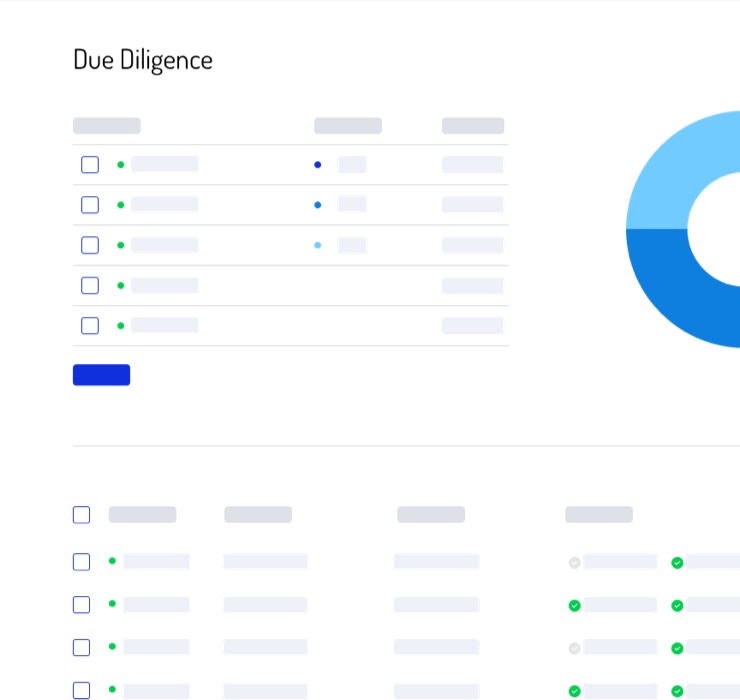
When you raise funding, investors will conduct due diligence. They’ll review your corporate structure, cap table, and legal documents. Being prepared makes fundraising faster and smoother.
What Investors Look For
During due diligence, investors typically examine:
- Corporate formation documents: Articles of incorporation, bylaws, board resolutions
- Cap table accuracy: Does the cap table match supporting documents?
- Founder agreements: Stock purchase agreements, vesting schedules, 83(b) elections
- Employee equity: Option plan, individual grant agreements
- Prior fundraising: SAFEs, convertible notes, their terms and status
- Compliance history: State registrations, annual reports, taxes
Disorganized records slow things down. Missing documents raise red flags. Cap table errors can kill deals.
How Capbase Helps with Due Diligence
Capbase is built with due diligence in mind. Features that help include:
Easy Export
You can easily export your cap table and document room for review. Investors can access what they need without you manually compiling information.
Document Synchronization
Capbase automatically syncs all documentation with your cap table. You don’t have to worry about a mistake appearing in the middle of due diligence.
Complete Audit Trail
The platform tracks all changes to your cap table. Investors can see the history of equity transactions and verify accuracy.
Professional Documentation
Documents generated through Capbase follow industry standards. Investors see familiar formats that meet their expectations.
Real Impact on Fundraising
Founders who have organized cap tables and documents typically close funding rounds faster. Time that would be spent finding documents and explaining discrepancies goes toward building the business instead.
Investors also view organization as a signal of founder competence. A messy cap table suggests other parts of the business might be messy too. A clean, well-organized corporate structure shows you take the business seriously.
Potential Drawbacks and Limitations of Capbase
No product is perfect for everyone. Here are honest limitations to consider in this Capbase review.
Limited to Delaware C-Corps
Capbase focuses on Delaware C-Corporations. This is the standard structure for venture-backed startups, but not all businesses.
If you want to form an LLC, S-Corp, or incorporate in a different state, Capbase isn’t built for that. You’ll need different tools.
Not a Replacement for Legal Counsel
While Capbase handles many routine legal tasks, it doesn’t replace a lawyer for complex situations. You might still need legal counsel for:
- Negotiating term sheets
- Unusual deal structures
- Intellectual property issues
- Employment disputes
- Complex corporate transactions
Capbase handles the standard, routine work. For anything complicated, get a lawyer.
Learning Curve for Non-Technical Founders
Capbase is designed to be self-service. This works great for founders comfortable with software and legal/financial concepts.
If you’re less technical or unfamiliar with startup terminology (cap tables, vesting, SAFEs, etc.), there’s a learning curve. You’ll need to invest time understanding these concepts to use the platform effectively.
Newer Platform Than Some Competitors
Carta has been around longer and has more market presence. Some investors and employees may be more familiar with Carta’s interfaces and reports.
This isn’t usually a major issue, but it’s worth noting if your investors specifically request Carta access or reports.
Ecosystem Lock-In
As Capbase becomes more integrated with MainStreet and Bench, there’s potential for ecosystem lock-in. If you use all the connected tools, switching later becomes harder.
This can be good (everything works together) or challenging (harder to change if you’re unsatisfied with one piece).
Customer Support and Resources

What happens when you have questions or run into problems?
Support Options
Capbase offers support to help founders use the platform effectively. This includes:
- Direct contact: Reach out to the team with questions
- Sales team consultations: Talk through your specific situation before signing up
- Onboarding assistance: Help getting existing companies set up on the platform
Educational Resources
Beyond direct support, Capbase provides educational content about startup legal and financial topics. Following Capbase lets you learn about:
- Legal requirements for startups
- Financial best practices
- Cap table management strategies
- Tips for building your business
These resources help founders understand not just how to use the platform but why certain things matter.
Community and Network
Hundreds of startup founders use Capbase to manage the legal and financial side of their companies. This creates a community of founders with similar needs and experiences.
Being part of the MainStreet ecosystem also connects you to a broader network of founders using related tools.
Is Capbase Right for Your Startup? Decision Framework
Let’s bring everything together into a framework for deciding whether Capbase fits your needs.
Choose Capbase If:
- You’re starting a new company and plan to raise venture capital
- You want Delaware C-Corp incorporation (standard for VC-backed startups)
- You need cap table management from day one
- You want to issue equity to founders, employees, and investors through one platform
- You prefer self-service tools over coordinating with multiple lawyers
- You want integrated back-office tools (with MainStreet ecosystem)
- You’re cost-conscious but want professional-quality documentation
- You value due diligence readiness for future fundraising
Consider Alternatives If:
- You need incorporation in a state other than Delaware
- You want to form an LLC or S-Corp instead of C-Corp
- You’re not planning to raise venture capital
- You only need basic incorporation without cap table features
- You have complex legal situations requiring hands-on legal counsel
- Your investors require Carta specifically
- You’re a later-stage company needing enterprise features
Questions to Ask Yourself
Before deciding, consider:
- Do I plan to raise money from professional investors?
- Will I be issuing equity to employees?
- How important is cap table accuracy to my business?
- Am I comfortable with self-service legal tools?
- What’s my budget for formation and ongoing corporate management?
- Do I value having connected tools or prefer choosing best-in-class for each function?
Your answers will point you toward the right solution.
The Future of Capbase: What’s Coming
With the MainStreet acquisition, Capbase is positioned for growth and expansion. What might the future hold?
Deeper Ecosystem Integration
Expect tighter connections between Capbase, Bench, and other MainStreet tools. The goal is a single platform for all back-office needs. This means:
- More data sharing between tools
- Unified dashboards and reporting
- Smoother workflows across functions
Product Expansion
MainStreet aims to scale and expand Capbase, making it more intuitive, integrated, and powerful. This could mean:
- New features for cap table management
- Expanded support for fundraising stages
- Better tools for employee equity management
- More automation for compliance tasks
Broader Founder Support
The MainStreet vision is supporting founders “from day one through exit.” This suggests Capbase might expand to support:
- Later-stage equity events
- Secondary transactions
- Exit preparation
- M&A support
The platform will likely grow as it integrates feedback from founders using it daily.
Conclusion: Final Verdict on Capbase
Capbase offers a solid solution for early-stage startup founders who need formation, cap table management, and equity issuance in one platform. It’s especially valuable for founders planning to raise venture capital and hire with equity compensation.
The MainStreet acquisition positions Capbase for growth and deeper integration with financial and HR tools. For founders who want connected back-office solutions, this ecosystem approach is appealing.
Capbase isn’t for everyone. But for its target audience, it solves real problems that founders face when starting and scaling companies. If you’re launching a venture-backed startup, it deserves serious consideration.
Frequently Asked Questions About Capbase
| What is Capbase used for? | Capbase is a platform for startup founders to incorporate companies, manage cap tables, issue equity, and handle corporate compliance. It’s designed for early-stage startups planning to raise venture capital. |
| Who should use Capbase? | Founders starting Delaware C-Corps who plan to raise funding, issue employee stock options, and need cap table management. It’s best for early-stage, venture-track startups. |
| Can I use Capbase if I already incorporated my company elsewhere? | Yes. You can use Capbase for employee stock plans, equity issuance, cap table management, and fundraising even if you didn’t incorporate through the platform. Contact their sales team to set up your existing company. |
| How does Capbase compare to Firstbase? | Capbase includes cap table management, equity issuance, and fundraising tools. Firstbase focuses on incorporation only. If you use Firstbase, you’ll typically need to add Carta or another tool for cap table management. |
| How does Capbase compare to Carta? | Carta is primarily a cap table platform. Capbase combines incorporation, cap table management, and equity issuance. Capbase is more integrated for early-stage needs, while Carta serves companies at all stages. |
| Does Capbase replace my lawyer? | For routine formation and equity tasks, Capbase can reduce legal costs. For complex situations, negotiations, or unusual deal structures, you’ll still want legal counsel. |
| What happened with the MainStreet acquisition? | MainStreet acquired Capbase in October 2025. Capbase is now part of a larger ecosystem including tools for bookkeeping, payroll, hiring, and tax credits. The platform continues operating while integrating with MainStreet’s other services. |
| Can I use Capbase for an LLC or non-Delaware company? | Capbase focuses on Delaware C-Corporations, which is the standard structure for venture-backed startups. For LLCs or other state incorporations, you’ll need different tools. |
| How does Capbase help with fundraising? | Capbase generates investor documents for SAFEs and convertible notes, onboards investors through the platform, processes investments, updates your cap table automatically, and organizes your document room for due diligence. |
| Is Capbase expensive? | Capbase is typically cheaper than hiring lawyers for each formation and equity task separately plus paying for separate cap table software. The exact cost depends on your needs and the services you use. |






 Stack Insight is intended to support informed decision-making by providing independent information about business software and services. Some product details, including pricing, features, and promotional offers, may be supplied by vendors or partners and can change without notice.