
Vestd Review


Vestd Review 2026: A Complete Guide to UK Equity Management
Managing equity can feel overwhelming. Spreadsheets get messy. Documents pile up. And one wrong number in a cell can create headaches that last months. Vestd aims to solve these problems for UK businesses looking to share ownership with employees, co-founders, and investors.
This review covers everything you need to know about Vestd. We’ll look at how it works, what it costs, who it’s best for, and how it compares to other options in the market. Whether you’re a startup founder thinking about your first employee share scheme or a growing company that needs better cap table management, this guide will help you decide if Vestd fits your needs.
By the end, you’ll understand exactly what Vestd offers. You’ll know its strengths and limitations. And you’ll have the information to make a confident choice about your equity management solution.
What Is Vestd and What Does It Do?
Vestd is an online platform that helps UK companies manage their equity. Founded in 2015 and based in London, the company has grown to become one of the leading equity management solutions in the UK market.
At its core, Vestd handles the entire equity lifecycle. This includes:
- Creating and managing share schemes
- Issuing digital share grants
- Automating vesting schedules
- Maintaining accurate cap tables
- Keeping shareholder records up to date
- Processing share exercises and buybacks
The platform is FCA authorised and regulated. This matters because it means Vestd operates under strict financial conduct rules. Your equity data and transactions have proper oversight.
The Core Problem Vestd Solves
Every UK company that gives equity eventually hits the same wall. Naghza Alam, Financial Director at Orthoson, described it well:
“It’s easy to see how your cap table is made up and it takes away that worry that you might mistype something in an Excel sheet.”
The traditional approach involves spreadsheets, PDFs, and constant email threads with advisors. Records get fragmented. Cap tables, grants, and vesting schedules live in separate files. Reconciliation only happens when something goes wrong.
Vestd replaces this patchwork with one governed system. Everything lives in one place. Updates happen in real time. And the risk of human error drops.
Key Features at a Glance
| Feature | Description |
|---|---|
| Cap Table Management | Real-time ownership tracking with scenario modelling |
| EMI Schemes | Set up tax-efficient Enterprise Management Incentive schemes |
| Unapproved Options | Create non-tax advantaged share option plans |
| Growth Shares | Issue shares that reward future value creation |
| Digital Document Signing | No more printing, scanning, or posting paperwork |
| Employee Dashboards | Staff can view their equity holdings anytime |
| SEIS/EIS Advance Assurance | Support for tax relief schemes built into the platform |
| Custom Reporting | Generate reports tailored to your needs |
How Vestd Works: Platform Walkthrough
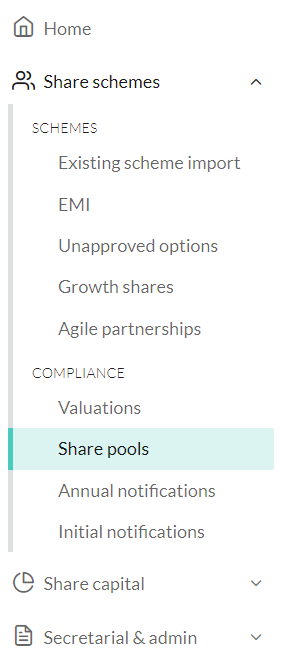
Understanding how Vestd actually works day to day matters more than feature lists. Let’s walk through the main areas of the platform and what you can do in each.
Setting Up Your Company
Getting started with Vestd begins with entering your company details. The platform pulls information from Companies House where possible. This saves time and reduces errors from manual entry.
You’ll add your existing shareholders and their holdings. If you’re starting fresh, this is straightforward. If you have existing share schemes or complex ownership structures, Vestd’s team helps migrate your data.
The onboarding process typically takes a few days for simple setups. More complex companies with multiple share classes or existing schemes may need a week or two.
Creating Share Schemes
Vestd supports several types of share schemes. The most popular for UK startups is the EMI scheme. This stands for Enterprise Management Incentive. EMI options give employees significant tax advantages when they exercise their shares.
Creating an EMI scheme through Vestd involves these steps:
- Check eligibility – The platform guides you through requirements
- Design your scheme – Set vesting periods, cliff periods, and other terms
- Generate legal documents – Vestd creates scheme rules and option agreements
- Get board approval – Digital signatures make this quick
- Submit to HMRC – Vestd helps with the notification process
The platform also supports unapproved share options. These don’t have the same tax benefits as EMI but work for companies that don’t qualify or want simpler terms.
Issuing Share Grants
Once your scheme exists, you can issue grants to employees. This happens digitally. No paper shuffling required.
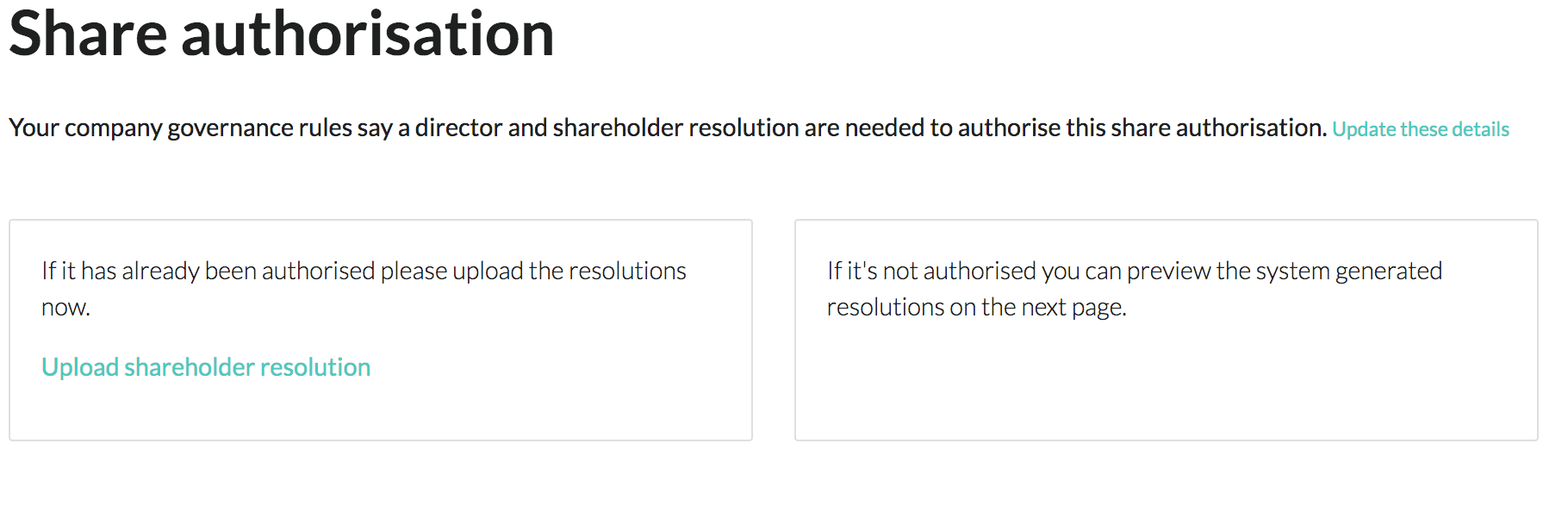
You select the employee, choose the number of options, set the exercise price, and define vesting terms. The platform generates the option agreement automatically.
Employees receive an invitation to accept their grant. They log in to their own dashboard, review the terms, and sign digitally. You get notified when they complete the process.
Everything gets recorded in the system. The cap table updates. The employee’s profile shows their holdings. And you have a complete audit trail.
Managing Vesting Schedules
Vesting schedules determine when employees actually earn their equity. A typical setup might look like this:
- 4-year vesting period
- 1-year cliff (no vesting until 12 months pass)
- Monthly vesting after the cliff
Vestd automates all of this. The platform tracks where each employee sits in their vesting schedule. It shows how many options have vested and how many remain unvested.
You can set up custom vesting schedules too. Performance-based vesting, milestone-based vesting, or any other structure your company needs.
Cap Table Management
The cap table shows who owns what in your company. It sounds simple. In practice, it gets complicated fast.
You have founders with different share classes. Investors with preferred shares. Employees with vesting options. Maybe some advisors with warrants. Each funding round changes the numbers.
Vestd keeps all of this organised. The cap table updates automatically when:
- New shares get issued
- Options vest or get exercised
- Shares transfer between parties
- New funding rounds close
The platform also includes scenario modelling. You can see how a potential funding round would affect ownership. What happens if you create a new option pool? How much dilution would investors cause? Vestd shows you the answers before you make decisions.
Employee Experience
Employees with equity get their own dashboard. This matters more than many companies realise.
When employees can see their equity holdings, they understand their stake in the company. They see options vesting each month. They understand what they’ve earned and what’s still to come.
This transparency builds engagement. Employees feel more connected to company success when they can track their ownership stake.
The employee dashboard shows:
- Total options granted
- Options vested so far
- Options still vesting
- Vesting schedule timeline
- Exercise price and potential value
- All signed documents
Vestd Pricing and Plans

Understanding Vestd’s pricing helps you plan your budget. The company offers several plans depending on your needs and company size.
Pricing Structure Overview
Vestd uses a subscription model. You pay monthly or annually for access to the platform. Annual billing typically saves you money compared to monthly payments.
One thing that stands out: Vestd charges 0% completion fees. This matters a lot. Some competitors charge fees when employees exercise options or when shares transfer. These costs can add up quickly at exit. Vestd’s no-fee approach saves money in the long run.
| Plan Feature | What to Expect |
|---|---|
| Monthly Subscription | Pay as you go with flexibility to cancel |
| Annual Subscription | Lower per-month cost with annual commitment |
| Completion Fees | None – 0% on all transactions |
| Setup Fees | Varies by plan and complexity |
What Each Plan Includes
Vestd offers different tiers based on features and support levels. Basic plans cover cap table management and simple share schemes. Higher tiers add more share scheme types, advanced features, and dedicated support.
Common features across plans include:
- Digital document signing
- Secure document storage
- Employee dashboards
- Basic reporting
- Companies House integration
Premium features available on higher plans:
- EMI scheme setup and management
- Growth shares
- Advanced scenario modelling
- Custom reporting
- Dedicated account management
- SEIS/EIS advance assurance support
Is Vestd Worth the Cost?
The value depends on your situation. For companies managing equity with spreadsheets, the time savings alone often justify the cost. One error in a spreadsheet cap table can cost thousands in legal fees to fix.
Consider what you currently spend on:
- Accountant time for equity administration
- Legal fees for share scheme documents
- Your own time tracking vesting and ownership
- Risk of errors and their consequences
Vestd consolidates much of this into one predictable subscription. For many companies, the platform pays for itself through reduced professional fees and time savings.
Who Should Use Vestd?
Vestd works for specific types of companies. Understanding if you fit their target market helps you decide whether to consider them seriously.
Ideal Vestd Users
Startups offering equity to early employees: If you want to attract talent with share options but don’t know where to start, Vestd provides guidance and tools. The EMI scheme support helps you set up tax-efficient options properly.
Growing companies with expanding teams: As you hire more people and give more equity, administration gets harder. Vestd scales with you. Adding new grants and managing more participants doesn’t create proportionally more work.
Founders planning fundraising rounds: Investors want clean cap tables. They want to see exactly who owns what before writing cheques. Vestd gives you investor-ready records and helps you model how new funding affects ownership.
Companies with existing messy equity records: If your cap table lives in multiple spreadsheets and nobody’s quite sure what’s accurate, Vestd can help you consolidate and clean up your records.
Companies That Benefit Most
| Company Type | Why Vestd Fits |
|---|---|
| UK Limited Companies | Platform built for UK company law and HMRC requirements |
| Tech Startups | EMI schemes are common in tech; employees expect equity |
| Funded Businesses | Investors require professional cap table management |
| Companies with 5-200 employees | Sweet spot where equity admin is complex but not enterprise-level |
When Vestd Might Not Be Right
Non-UK companies: Vestd focuses on UK company structures. If you’re based elsewhere, look at global alternatives like Carta or Pulley.
Sole traders or partnerships: You need to be a limited company to issue shares. Vestd doesn’t apply to other business structures.
Very large enterprises: Companies with thousands of participants may need enterprise-grade solutions with different feature sets.
Companies not planning equity compensation: If you’ll never issue shares to employees or raise funding, you don’t need cap table software.
Vestd for Different Roles
Different people in a company use Vestd differently. Let’s look at what each role gets from the platform.
For Founders and CEOs
Founders typically drive the decision to adopt equity management software. They care about a few key things:
Attracting talent: Equity is a powerful recruitment tool, especially for startups that can’t match big company salaries. Vestd makes it easy to offer share options to candidates.
Keeping investors happy: A clean, accurate cap table signals professionalism. When investors see you use proper equity management tools, they have more confidence in your operations.
Understanding dilution: Every funding round and option grant affects founder ownership. Vestd’s modelling tools show exactly how decisions impact your stake.
For CFOs and Finance Directors
Finance leaders care about accuracy and compliance. A mistake in equity records can cause real problems during audits, fundraises, or exits.
Vestd gives finance teams:
- Single source of truth for ownership data
- Audit trail for all changes
- Reports for financial statements and tax filings
- Tools to model financial scenarios
As Naghza Alam noted, the platform removes worry about spreadsheet errors. For finance professionals, that peace of mind has real value.
For HR and People Teams
HR manages the employee side of equity. They answer questions like “When do my options vest?” and “How much could my shares be worth?”
Vestd helps HR teams:
- Explain equity to new hires
- Process new grants when people join
- Handle leavers and what happens to their equity
- Respond to employee questions with accurate data
The employee dashboard reduces HR workload. Instead of fielding constant questions, HR can point people to their personal dashboard where they see all their equity information.
For Company Secretaries
Company secretaries handle statutory obligations. This includes maintaining shareholder registers, filing confirmation statements, and keeping proper records.
Vestd supports company secretaries with:
- Automated shareholder register updates
- Deadline reminders for filings
- Document storage meeting retention requirements
- Records ready for Companies House
The platform helps ensure nothing falls through the cracks. Missed deadlines can result in fines and penalties. Vestd’s reminders help prevent these issues.
Vestd EMI Schemes Explained

EMI schemes deserve special attention. They’re one of the most valuable features Vestd offers for UK companies.
What Are EMI Schemes?
EMI stands for Enterprise Management Incentive. It’s a UK government scheme designed to help smaller companies compete for talent. EMI gives employees significant tax advantages on their share options.
Without EMI, employees pay income tax and national insurance when they exercise share options. The tax applies to the difference between exercise price and market value. This can mean a massive tax bill.
With EMI, employees typically pay only capital gains tax when they eventually sell shares. And with entrepreneur’s relief (now called Business Asset Disposal Relief), the rate can be just 10% on up to £1 million of gains.
EMI Eligibility Requirements
Not every company qualifies for EMI. The main requirements include:
| Requirement | Details |
|---|---|
| Company Size | Gross assets under £30 million |
| Employee Count | Fewer than 250 full-time equivalent employees |
| Trading Status | Must carry on a qualifying trade |
| Independence | Must not be controlled by another company |
| Employee Requirements | Minimum 25 hours per week or 75% of working time |
Vestd guides you through eligibility checking. The platform flags potential issues before you invest time setting up a scheme that won’t qualify.
How Vestd Handles EMI Administration
Setting up and maintaining an EMI scheme involves ongoing administration. HMRC requires notifications within specific timeframes. Options must be valued properly. Records need to be kept.
Vestd automates much of this:
- Generates scheme rules and option agreements
- Calculates and documents share valuations
- Tracks notification deadlines
- Prepares annual returns for HMRC
- Maintains compliant records
Getting EMI wrong can result in employees losing their tax advantages. The stakes are high. Vestd’s compliance features help reduce this risk.
EMI vs Other Share Schemes
EMI isn’t the only option. Vestd supports several types of equity arrangements:
EMI Options: Best for qualifying employees in qualifying companies. Maximum tax advantages.
Unapproved Options: Work when EMI doesn’t apply. Less paperwork but employees pay more tax.
Growth Shares: A different approach where employees get actual shares (not options) in a new share class. Tax works differently and can be advantageous in certain situations.
CSOP (Company Share Option Plan): Another HMRC-approved scheme with different qualifying criteria to EMI.
Vestd helps you understand which approach fits your situation. The platform isn’t just software – it includes guidance on making the right choices.
Security and Compliance Features
Equity data is sensitive. Ownership information, valuations, and personal details all need protection. Let’s examine how Vestd handles security and compliance.
Data Security
Vestd holds ISO 27001 certification. This is an international standard for information security management. Companies with this certification have been audited and verified to follow strict security practices.
Key security measures include:
- Encrypted data storage
- Secure data transmission
- Regular security audits
- Access controls and permissions
- Backup and disaster recovery procedures
The ISO 27001 certification matters. It means an independent party has verified Vestd’s security practices. You’re not just taking their word for it.
FCA Regulation
Vestd is authorised and regulated by the Financial Conduct Authority. This brings additional oversight and consumer protections.
FCA regulation means:
- The company must meet capital requirements
- They follow conduct rules protecting customers
- Complaints can be escalated to the Financial Ombudsman
- Regular reporting to the regulator
Many equity management tools aren’t FCA regulated. Vestd’s status provides an extra layer of protection and legitimacy.
Document Management
Equity administration generates lots of documents. Option agreements, board resolutions, scheme rules, exercise notices. All of these need to be stored safely and retrieved easily.
Vestd provides secure document storage with:
- All documents in one place
- Version control so you can see changes
- Search functionality to find what you need
- Download options for audits and due diligence
During fundraising or exit processes, investors and lawyers ask for documents constantly. Having everything organised and accessible speeds up these processes.
GDPR Compliance
Equity management involves personal data. Employee names, addresses, national insurance numbers. GDPR applies to how this information gets handled.
Vestd includes features supporting GDPR compliance:
- Clear privacy policies
- Data processing agreements
- Access controls limiting who sees what
- Ability to export or delete data when required
Vestd vs Competitors: How It Compares
Vestd operates in a competitive market. Understanding how it stacks up against alternatives helps you make an informed choice.
Vestd vs SeedLegals
SeedLegals is one of Vestd’s main competitors in the UK market. Both platforms help with equity management, but they have different focuses.
| Feature | Vestd | SeedLegals |
|---|---|---|
| Primary Focus | Equity management and share schemes | Legal documents and fundraising |
| EMI Schemes | Full support with automation | Available with legal document generation |
| Cap Table | Core feature with scenario modelling | Included alongside other legal tools |
| FCA Regulated | Yes | No (legal services regulated differently) |
| Completion Fees | 0% | Varies by product |
SeedLegals offers a broader range of legal documents and fundraising support. If you need term sheets, shareholders agreements, and funding round documents alongside equity management, SeedLegals covers more ground.
Vestd goes deeper on equity specifically. If your main need is share scheme administration and cap table management, Vestd’s specialised focus may serve you better.
As Svetlana Tarnagurskaja, CEO and Co-founder of The Dot Collective, said: “We were looking at a few other platforms, but Vestd was so dramatically better.”
Vestd vs Carta
Carta is a major global player in equity management. They’re based in the US and serve companies worldwide.
| Feature | Vestd | Carta |
|---|---|---|
| Geographic Focus | UK-specific | Global with US focus |
| UK Compliance | Built for UK law and HMRC | UK support added to US platform |
| EMI Expertise | Core competency | Available but not primary focus |
| Pricing | Lower price point | Higher, designed for larger companies |
| Company Size | SMEs and startups | Startups to large enterprises |
Carta makes sense for UK companies with US operations or global ambitions. If you’re raising from US investors who expect to see Carta cap tables, there’s value in using their platform.
For purely UK companies, Vestd’s local focus often works better. The platform is built around UK company law, HMRC requirements, and British share scheme types. You’re not trying to use a US product adapted for the UK market.
Vestd vs Spreadsheets
The real competitor for many companies isn’t another software platform. It’s the spreadsheet they’ve been using all along.
| Factor | Vestd | Spreadsheets |
|---|---|---|
| Upfront Cost | Subscription fee | Free (using existing tools) |
| Error Risk | Low with automation | High with manual entry |
| Time Required | Lower ongoing effort | Higher ongoing effort |
| Audit Trail | Built-in | Manual if any |
| Employee Access | Self-service dashboards | None without manual sharing |
| Legal Documents | Generated automatically | Separate lawyer required |
Spreadsheets work fine when you have two founders and no equity complexity. Once you add employees with vesting schedules, multiple share classes, or investor rounds, spreadsheets become a liability.
The cost of one significant error in a spreadsheet cap table often exceeds years of Vestd subscription fees. And the time you spend maintaining spreadsheets could go toward building your business.
Market Position
Looking at the broader equity management market, Vestd ranks among the top platforms globally. According to Tracxn data, Vestd sits at position 5 with a score of 59/100 among comparable companies.
The leading competitors globally include:
- Carta (US, Score: 71/100)
- Qapita (Singapore, Score: 66/100)
- Slice (Israel, Score: 62/100)
- EquityList (India, Score: 60/100)
- Vestd (UK, Score: 59/100)
Vestd may not be the biggest global player, but it’s the leading UK-focused solution. For UK companies, that local expertise often matters more than global scale.
Vestd for Indian Companies
Vestd has expanded beyond the UK market. They now offer services specifically for Indian companies through Vestd India.
ESOP Management in India
Employee Stock Ownership Plans (ESOPs) work differently in India than in the UK. The regulatory environment, tax treatment, and common practices vary.
Vestd India helps businesses manage the complete employee equity lifecycle with features including:
- ESOP scheme creation
- Digital grant issuance
- Automated vesting schedules
- Cap table management
- Shareholder records maintenance
- Exercise and buyback processing
India-Specific Features
The Indian version includes features adapted for the local market:
- Compliance with Indian company law
- Tax calculation for Indian ESOP rules
- Support for Indian regulatory requirements
- Local currency and date formats
For Indian companies evaluating ESOP platforms, Vestd competes with local options like EquityList and Qapita. The choice depends on specific needs around features, pricing, and support.
Setting Up Share Schemes with Vestd
Let’s get practical about what it takes to set up a share scheme using Vestd. This walkthrough covers the typical process.
Before You Start
Before jumping into the platform, gather some information:
- Your company’s incorporation documents
- Current shareholder information
- Articles of association
- Recent accounts or valuation information
- Details of any existing share schemes
Having these ready speeds up the setup process. Vestd’s team may ask for additional documents depending on your situation.
The Setup Process
Step 1: Initial Consultation
Vestd typically starts with a discovery call. They’ll ask about your goals, company structure, and what you want to achieve with equity. This helps them recommend the right approach.
Step 2: Platform Setup
You’ll get access to the platform and enter your company details. Existing shareholders and share classes get added. If you have existing schemes, these get migrated.
Step 3: Scheme Design
Working with Vestd’s team, you’ll design your share scheme. This includes deciding on scheme type (EMI, unapproved, growth shares), vesting terms, eligibility criteria, and leaver provisions.
Step 4: Legal Documentation
Vestd generates the legal documents needed. Scheme rules, option agreements, and board resolutions. These are based on templates refined over many implementations.
Step 5: Board Approval
Your board needs to approve the scheme. Vestd’s digital signing makes this straightforward. Board members can sign from anywhere.
Step 6: HMRC Notification (for EMI)
EMI schemes require HMRC notification within 92 days of granting options. Vestd helps prepare the notification and tracks the deadline.
Step 7: Grant Options
With the scheme in place, you can start granting options to employees. Each grant generates its own agreement and gets recorded in the system.
Typical Timeline
| Stage | Duration |
|---|---|
| Initial consultation | 1-2 days |
| Platform setup | 2-5 days |
| Scheme design | 1-2 weeks |
| Documentation and approval | 1 week |
| First grants issued | Same day as approval |
Total time from start to first options granted: typically 3-5 weeks. Complex situations with multiple share classes or existing schemes may take longer.
Customer Support and Service
Software is only as good as the support behind it. Equity management involves real complexity and real stakes. You need help when you need it.
Support Options
Vestd provides several support channels:
Account Management: Depending on your plan, you may have a dedicated account manager. They know your setup and can answer questions specific to your situation.
Email Support: Standard support channel for questions and issues. Response times vary by plan level.
Phone Support: Available for urgent matters and complex discussions. Sometimes email just doesn’t work for nuanced equity questions.
Help Documentation: Online guides and articles covering common questions. Good for self-service answers to straightforward questions.
Onboarding Experience
Getting started with new software can be frustrating. Vestd’s onboarding aims to make the transition smooth:
- Guided setup process
- Data migration assistance
- Training sessions for your team
- Documentation and video tutorials
The depth of onboarding support varies by plan. Higher tiers include more hands-on help from the Vestd team.
Ongoing Guidance
Equity questions don’t stop after setup. As your company grows, new situations arise:
- What happens when an employee leaves?
- How do we handle a new funding round?
- An employee wants to exercise options. Now what?
- We’re thinking about an exit. How does that affect the scheme?
Vestd’s team can help navigate these situations. They’ve seen thousands of companies go through similar scenarios. That experience has value when you’re facing a new question.
Strengths and Weaknesses
Every product has trade-offs. Here’s an honest assessment of where Vestd excels and where it has room for improvement.
Key Strengths
UK-Specific Expertise: Vestd is built for UK company law and HMRC requirements. You’re not using a US product adapted for the UK. EMI schemes, growth shares, and other UK-specific structures are core features.
All-in-One Platform: Cap table management, share scheme administration, document generation, and employee portals in one place. No need to piece together multiple tools.
Zero Completion Fees: Unlike some competitors, Vestd doesn’t charge fees when options get exercised or shares transfer. This saves money at the times when equity events actually happen.
FCA Regulation: The regulatory oversight provides assurance about the company’s practices and consumer protections.
Strong Security: ISO 27001 certification demonstrates serious commitment to data protection.
Employee Experience: Self-service dashboards give employees visibility into their equity. This builds engagement and reduces HR workload.
Areas for Improvement
UK Focus Limits International Use: If you have global operations or employees in multiple countries, Vestd’s UK focus may be limiting. You might need additional solutions for international equity.
Learning Curve: Equity management is inherently complex. While Vestd simplifies many things, new users still need time to understand the platform and concepts.
Pricing Transparency: Like many B2B products, detailed pricing isn’t always clear on the website. You typically need a consultation to understand exact costs for your situation.
Feature Depth for Enterprise: Very large companies with thousands of participants may need features that enterprise-focused competitors provide.
Real User Feedback
What do actual Vestd users say about their experience? Let’s look at feedback from people using the platform.
Positive Experiences
Naghza Alam, Financial Director at Orthoson, highlighted the peace of mind: “It’s easy to see how your cap table is made up and it takes away that worry that you might mistype something in an Excel sheet.”
This sentiment appears frequently in user feedback. The move from spreadsheets to dedicated software removes anxiety about errors. Finance professionals especially appreciate this.
Svetlana Tarnagurskaja, CEO and Co-founder of The Dot Collective, compared alternatives before choosing: “We were looking at a few other platforms, but Vestd was so dramatically better.”
Users often note that Vestd compares favourably to alternatives when evaluated side by side. The platform’s focus on UK requirements and user experience seems to differentiate it.
Common Praise Points
- Clean, intuitive interface
- Responsive customer support
- Comprehensive documentation
- Time savings compared to manual processes
- Confidence in data accuracy
Common Criticisms
No product satisfies everyone. Some users report:
- Initial setup takes effort
- Some features have learning curves
- Pricing can be unclear without consultation
- Limited customisation for unusual situations
These criticisms aren’t unique to Vestd. They apply to most equity management platforms. The complexity of the subject matter creates inherent challenges.
Making the Decision
Should you use Vestd? The answer depends on your specific situation. Let’s walk through the decision process.
Questions to Ask Yourself
Are you a UK limited company?
Vestd is built for UK companies. If you’re based elsewhere, look at global alternatives.
Are you giving or planning to give equity to employees?
If not, you might only need basic cap table management. Simpler tools could work.
How many equity holders do you have?
Small numbers might manage with spreadsheets. Once you pass 10-15 people, dedicated software makes more sense.
Are you raising or planning to raise funding?
Investors expect clean cap tables. Professional tools signal operational maturity.
What’s your budget?
Vestd costs money. Make sure the investment fits your financial situation.
When to Choose Vestd
- You’re a UK company wanting to set up an EMI scheme
- You need to replace messy spreadsheets with proper tools
- You want employees to see and understand their equity
- You’re preparing for funding rounds or due diligence
- You value UK-specific expertise and FCA regulation
When to Look Elsewhere
- You need global equity management across multiple countries
- You want integrated legal services beyond share schemes
- You’re a very large enterprise with complex requirements
- You’re not a UK company
Getting Started with Vestd
If Vestd seems like a good fit, here’s how to move forward.
The Sign-Up Process
Start by visiting vestd.com and clicking “Get Started”. You’ll typically:
- Fill out an initial form with company details
- Book a consultation call
- Discuss your needs and get a proposal
- Sign up for a plan
- Begin the onboarding process
The consultation call isn’t a sales pitch. It’s a genuine discussion about your equity needs. The Vestd team wants to understand your situation before recommending solutions.
What to Prepare
Coming to the consultation prepared helps get better recommendations:
- Know your company’s current ownership structure
- Understand any existing share schemes
- Have a rough idea of how many employees you want to include
- Know your budget constraints
- List your specific questions and concerns
First 30 Days
After signing up, expect these activities in your first month:
Week 1: Platform access, company setup, data migration begins
Week 2: Share scheme design discussions, draft documentation
Week 3: Legal document finalisation, board approval
Week 4: First grants issued, employee onboarding
This timeline assumes a straightforward setup. Complex situations may extend these phases.
Conclusion
Vestd solves a real problem for UK companies managing equity. It replaces scattered spreadsheets with a single governed system. The platform handles EMI schemes, cap tables, vesting schedules, and employee communication in one place. For UK-focused companies wanting to attract talent with equity while staying compliant, Vestd offers a strong solution worth serious consideration. The zero completion fees and FCA regulation add confidence. Give it a close look if you’re ready to move beyond spreadsheets.
Frequently Asked Questions About Vestd
| What is Vestd used for? | Vestd is an equity management platform for UK companies. It helps businesses set up share schemes, manage cap tables, issue equity to employees, track vesting schedules, and maintain shareholder records. The platform automates much of the administrative work involved in giving employees ownership stakes. |
| Who should use Vestd? | UK limited companies that want to offer equity to employees, founders, or advisors benefit most from Vestd. It’s particularly suited for startups and growing businesses with 5-200 employees who need EMI schemes or other share option plans. Companies preparing for funding rounds also find value in clean, investor-ready cap tables. |
| How much does Vestd cost? | Vestd uses a subscription model with monthly or annual billing. Pricing varies based on features and company size. A key differentiator is that Vestd charges 0% completion fees, meaning no additional charges when employees exercise options or shares transfer. Contact Vestd directly for specific pricing based on your needs. |
| Is Vestd only for UK companies? | Vestd’s primary platform focuses on UK companies and UK company law. They’ve also launched Vestd India for the Indian market. For companies in other countries, global alternatives like Carta may be more appropriate. |
| How does Vestd compare to SeedLegals? | Both platforms serve UK startups but have different focuses. Vestd specialises in equity management and share schemes. SeedLegals offers broader legal document services alongside equity features. If you need term sheets, shareholders agreements, and fundraising documents, SeedLegals covers more ground. For pure equity administration, Vestd goes deeper. |
| What is an EMI scheme and does Vestd support it? | EMI (Enterprise Management Incentive) is a UK tax-advantaged share option scheme for smaller companies. Employees pay less tax on their equity compared to unapproved options. Vestd fully supports EMI schemes, including eligibility checking, scheme setup, grant issuance, HMRC notifications, and ongoing administration. |
| Is Vestd secure? | Vestd holds ISO 27001 certification, an international standard for information security management. The platform is also FCA authorised and regulated. Data is encrypted, access is controlled, and regular security audits take place. These certifications provide independent verification of Vestd’s security practices. |
| Can employees see their equity holdings in Vestd? | Yes. Vestd provides employee dashboards where staff can log in and view their equity. They see total options granted, how many have vested, vesting schedules, exercise prices, and signed documents. This transparency helps employees understand and appreciate their ownership stake. |
| How long does it take to set up Vestd? | A typical setup takes 3-5 weeks from initial consultation to first grants issued. Simpler situations may be faster. Complex companies with multiple share classes, existing schemes, or unusual structures may need additional time. The Vestd team guides you through the process. |
| Why use Vestd instead of spreadsheets? | Spreadsheets work for simple situations but become risky as complexity grows. One typo can misstate ownership. Vestd provides automation, audit trails, error prevention, employee access, legal document generation, and professional cap tables. The time savings and risk reduction often justify the subscription cost. |





 Stack Insight is intended to support informed decision-making by providing independent information about business software and services. Some product details, including pricing, features, and promotional offers, may be supplied by vendors or partners and can change without notice.