
Sweet Security vs Trend Micro Cloud One: Complete CNAPP Comparison for 2026
Cloud security has become a top priority for businesses running workloads across multiple cloud providers. Choosing the right Cloud Native Application Protection Platform (CNAPP) can make or break your security posture. Two solutions that often come up in conversations are Sweet Security and Trend Micro Cloud One (now part of Trend Vision One Cloud Security).
Both platforms promise to protect your cloud-native applications. But they take different approaches to get there. Sweet Security focuses heavily on runtime protection and real-time threat detection. Trend Micro Cloud One brings a broader, more established security ecosystem to the table.
In this detailed comparison, we’ll break down how each platform handles key security areas. You’ll learn about their detection methods, deployment options, pricing structures, and much more. By the end, you’ll have a clear picture of which solution fits your organization’s specific needs.
What is CNAPP and Why Does It Matter?
Before we dig into the specifics of Sweet Security and Trend Micro Cloud One, let’s get clear on what CNAPP actually means.
The Definition of CNAPP
CNAPP stands for Cloud Native Application Protection Platform. Gartner coined this term to describe a unified set of security and compliance capabilities. These platforms are built specifically to protect cloud-native infrastructure and applications.
Think of CNAPP as the Swiss Army knife of cloud security. It combines multiple security functions into one platform. This includes posture management, workload protection, and runtime security.
Why Traditional Security Tools Fall Short
Old-school security tools weren’t built for cloud environments. They can’t handle:
- Rapidly changing infrastructure
- Container-based workloads
- Serverless functions
- Multi-cloud deployments
- CI/CD pipeline integration
Cloud-native applications spin up and down constantly. Traditional perimeter-based security simply can’t keep pace. CNAPP solutions address these gaps by embedding security into the cloud fabric itself.
The Core Components of Any CNAPP Solution
Every solid CNAPP platform includes several key capabilities:
Cloud Security Posture Management (CSPM) scans your cloud configurations for misconfigurations and compliance violations. It answers the question: “Is my cloud set up securely?”
Cloud Workload Protection Platforms (CWPP) provide real-time monitoring and threat detection. They protect virtual machines, containers, and serverless functions running in your cloud.
Infrastructure as Code (IaC) Scanning checks your Terraform, CloudFormation, and other templates before deployment. It catches security issues before they hit production.
Cloud Infrastructure Entitlement Management (CIEM) manages identities and permissions across cloud environments. It prevents excessive access rights that attackers could abuse.
Sweet Security: Company Background and Platform Overview

Sweet Security entered the cloud security market with a fresh approach. The company built its platform from scratch for cloud-native environments.
The Sweet Security Origin Story
Sweet Security was founded by cybersecurity veterans who saw gaps in existing solutions. They noticed that many CNAPP tools focused heavily on posture management. But runtime protection often got less attention.
The founders believed that knowing about vulnerabilities isn’t enough. You need to detect and stop attacks as they happen. This philosophy shaped the entire platform design.
Core Platform Architecture
Sweet Security’s architecture centers on runtime visibility. The platform uses lightweight sensors deployed across your cloud workloads. These sensors collect telemetry data without slowing down your applications.
Key architectural elements include:
- eBPF-based sensors for deep kernel-level visibility
- Cloud-native data processing for real-time analysis
- Behavioral baselines that learn normal application behavior
- Attack path modeling to identify potential breach routes
The platform processes security data in the cloud. This keeps the agents lightweight and reduces impact on your workloads.
Sweet Security’s Market Position
According to recent analyst data, Sweet Security holds about 1.5% mindshare in the CNAPP market. That might seem small compared to larger players. But the company has built a loyal customer base.
A striking statistic: 100% of Sweet Security users surveyed say they would recommend the solution. That’s higher than many established competitors. It suggests the platform delivers strong value for its users.
Target Customer Profile
Sweet Security tends to attract organizations that prioritize:
- Real-time threat detection over compliance reporting
- Deep container and Kubernetes security
- Runtime protection capabilities
- Smaller security teams needing focused tools
The platform works well for cloud-native companies. These are organizations running modern microservices architectures. They often have DevOps-driven deployment models.
Trend Micro Cloud One: Company Background and Platform Overview

Trend Micro brings decades of security experience to cloud protection. Cloud One is their comprehensive cloud security offering.
Trend Micro’s Security Heritage
Trend Micro has been in the security business since 1988. They’ve protected enterprises through every major technology shift. From client-server to web applications to cloud computing.
This experience shows in their platform depth. They understand enterprise security requirements. They’ve built relationships with large organizations worldwide.
The Evolution to Trend Vision One
Trend Micro Cloud One now lives within the broader Trend Vision One platform. This unified approach combines multiple security capabilities:
- Cloud security (the former Cloud One)
- Endpoint protection
- Network security
- Email security
- Extended detection and response (XDR)
The integration matters. Organizations can correlate threats across their entire environment. Not just their cloud workloads.
Core Platform Architecture
Trend Micro’s architecture emphasizes breadth and integration. The platform includes:
Workload Security protects servers, containers, and serverless functions. It includes anti-malware, intrusion prevention, and integrity monitoring.
Container Security scans images before deployment. It also provides runtime protection for containers and Kubernetes clusters.
File Storage Security scans files uploaded to cloud storage services. It catches malware before it spreads.
Application Security embeds protection directly into applications. It identifies vulnerabilities and protects against exploits.
Network Security adds cloud-native network protection. It inspects traffic and blocks threats at the network layer.
Conformity provides cloud posture management. It checks configurations against security frameworks and compliance standards.
Industry Recognition
Trend Micro has earned recognition from major analysts. Gartner recently named Trend Micro a Leader in cloud-native application protection platforms. This recognition validates their CNAPP capabilities.
The company holds about 12.7% mindshare in the broader cloud security category. That’s significantly higher than Sweet Security’s position. It reflects Trend Micro’s established market presence.
Target Customer Profile
Trend Micro Cloud One typically appeals to:
- Large enterprises with complex security requirements
- Organizations needing broad security coverage
- Companies with existing Trend Micro relationships
- Businesses requiring deep compliance capabilities
- Teams wanting unified visibility across multiple security domains
Detection Capabilities: How Each Platform Finds Threats
Detection forms the foundation of any security platform. Let’s examine how Sweet Security and Trend Micro Cloud One approach threat detection.
Sweet Security’s Detection Approach
Sweet Security built its detection engine around runtime behavior analysis. The platform creates baseline profiles for each workload. It learns what normal looks like for your specific environment.
Behavioral Analysis Engine
The behavioral engine monitors multiple data streams:
- System calls and process activity
- Network connections and data flows
- File system operations
- Container and pod behaviors
- API calls and cloud service interactions
When activity deviates from established baselines, the platform generates alerts. This approach catches novel threats that signature-based detection might miss.
Attack Chain Correlation
Sweet Security doesn’t just flag individual suspicious events. The platform connects related activities into attack chains. This gives security teams context about what’s happening.
For example, a reconnaissance attempt followed by privilege escalation followed by data access. Each event alone might seem minor. Together, they reveal an active attack.
Cloud-Native Threat Intelligence
The platform includes threat intelligence specific to cloud environments. It knows common cloud attack techniques. Things like:
- Instance metadata service abuse
- Container escape attempts
- Kubernetes API exploitation
- Cloud credential theft patterns
Trend Micro Cloud One’s Detection Approach
Trend Micro brings multiple detection technologies to cloud security. Their approach combines traditional and modern methods.
Multi-Layered Detection Stack
The platform uses several detection technologies:
- Signature-based detection for known malware and exploits
- Machine learning models for identifying unknown threats
- Behavioral monitoring for runtime anomalies
- Vulnerability correlation linking weaknesses to active threats
AI-Enhanced Analysis
Trend Micro has invested heavily in AI capabilities. Their detection engine uses machine learning to:
- Identify malicious file characteristics
- Spot suspicious network patterns
- Reduce false positives through contextual analysis
- Predict potential attack paths
Global Threat Intelligence Network
Trend Micro operates one of the largest threat intelligence networks in the industry. They process billions of threat indicators daily. This intelligence feeds directly into Cloud One’s detection capabilities.
The Smart Protection Network has been gathering data for decades. This historical depth helps identify threats based on patterns seen across thousands of customers worldwide.
Intrusion Prevention System (IPS)
Cloud One includes a built-in IPS for workload protection. It inspects network traffic at the hypervisor level. The IPS can block exploit attempts in real-time. This prevents attackers from compromising vulnerable systems.
Detection Comparison Table
| Detection Capability | Sweet Security | Trend Micro Cloud One |
|---|---|---|
| Behavioral Analysis | Primary detection method. Deep runtime visibility with eBPF sensors. | Included as one layer among many detection technologies. |
| Signature-Based Detection | Limited. Focus is on behavioral approaches. | Strong. Leverages decades of malware research. |
| Machine Learning | Used for baseline creation and anomaly detection. | Extensive. Applied across file analysis, network traffic, and behavior. |
| Threat Intelligence | Cloud-focused intelligence. Growing database. | Massive global network. Billions of daily indicators processed. |
| Container Detection | Deep container and Kubernetes visibility. Core strength. | Comprehensive container scanning and runtime monitoring. |
| Attack Chain Correlation | Strong. Connects events into attack narratives. | Available through XDR integration. Requires broader platform adoption. |
| Zero-Day Detection | Behavioral approach catches unknown threats. | Multiple layers including ML and virtual patching. |
Which Detection Approach Works Better?
The answer depends on your environment and priorities.
Choose Sweet Security’s approach if:
- You run heavily containerized workloads
- Zero-day and unknown threats are your top concern
- You want deep behavioral visibility into runtime activity
- Your team can handle behavioral-based alert tuning
Choose Trend Micro’s approach if:
- You need protection against known malware and exploits
- Compliance requires signature-based detection evidence
- You want multiple detection layers for defense in depth
- You value established threat intelligence with historical depth
Cloud Security Posture Management: Configuration and Compliance
CSPM capabilities help you find misconfigurations before attackers do. Both platforms include posture management, but with different strengths.
Sweet Security’s CSPM Approach
Sweet Security includes CSPM as part of its platform. But it’s not the company’s primary focus area.
Configuration Scanning
The platform scans cloud configurations for security issues. It covers the major cloud providers:
- Amazon Web Services (AWS)
- Microsoft Azure
- Google Cloud Platform (GCP)
Scans identify common misconfigurations like publicly exposed storage buckets. They also catch overly permissive IAM policies and unencrypted data stores.
Compliance Framework Support
Sweet Security maps findings to common compliance frameworks. This includes CIS Benchmarks, SOC 2, and PCI DSS. Reports help demonstrate compliance to auditors and stakeholders.
Risk-Based Prioritization
Not all misconfigurations carry equal risk. Sweet Security prioritizes findings based on potential impact. A publicly exposed database scores higher than a missing tag.
The platform also considers runtime context. A misconfigured resource that’s actually being exploited gets immediate attention.
Trend Micro Cloud One’s CSPM Approach
Trend Micro’s CSPM capabilities come primarily through Conformity (now integrated into Cloud One). This was originally a standalone product known for deep posture management.
Extensive Rule Library
Conformity includes hundreds of pre-built rules. These cover security best practices across all major cloud providers. The rule library gets regular updates as cloud services evolve.
Rules check for:
- Network security group configurations
- Identity and access management settings
- Encryption status for data at rest and in transit
- Logging and monitoring configurations
- Resource tagging and organization
Real-Time Monitoring
Conformity doesn’t just scan periodically. It monitors your cloud accounts in real-time. When someone makes a risky configuration change, you know immediately.
This continuous monitoring helps catch drift from your security baselines. Teams can respond before misconfigurations cause problems.
Auto-Remediation
For certain issues, Conformity can fix problems automatically. You define remediation rules based on your policies. The platform applies fixes without human intervention.
This speeds up response times. It also reduces the burden on security teams dealing with routine fixes.
Deep Compliance Mapping
Conformity maps findings to over 20 compliance frameworks:
- CIS Benchmarks (multiple versions)
- SOC 2 Type I and Type II
- PCI DSS
- HIPAA
- GDPR
- ISO 27001
- NIST Cybersecurity Framework
- AWS Well-Architected Framework
- And many more regional and industry standards
Reports generate compliance evidence for audits. They show your current posture against specific framework requirements.
CSPM Comparison Table
| CSPM Capability | Sweet Security | Trend Micro Cloud One |
|---|---|---|
| Configuration Scanning Depth | Good coverage of major cloud services. | Extensive. Hundreds of rules with regular updates. |
| Cloud Provider Support | AWS, Azure, GCP. | AWS, Azure, GCP with deep service coverage. |
| Real-Time Monitoring | Available. Not the primary platform strength. | Core feature. Continuous monitoring with instant alerts. |
| Auto-Remediation | Limited automated remediation options. | Robust auto-remediation with customizable rules. |
| Compliance Frameworks | Major frameworks supported. | 20+ frameworks with detailed mapping. |
| Custom Rules | Basic custom rule creation. | Advanced custom rule builder with complex conditions. |
| Risk Prioritization | Runtime context adds prioritization intelligence. | Severity-based with business context options. |
CSPM Winner: Trend Micro Cloud One
For pure posture management capabilities, Trend Micro Cloud One has the edge. Conformity was built specifically for this use case. It shows in the depth of coverage.
Sweet Security’s CSPM works well for organizations that prioritize runtime protection. But teams with heavy compliance requirements will find more value in Trend Micro’s approach.
Runtime Protection: Defending Running Workloads
Runtime protection stops attacks against your live applications and infrastructure. This is where Sweet Security and Trend Micro Cloud One differ most.
Sweet Security’s Runtime Protection Philosophy
Runtime protection is Sweet Security’s bread and butter. The platform was designed from day one for this purpose.
Deep Kernel Visibility
Sweet Security uses eBPF technology for kernel-level visibility. This approach provides insights into:
- Every process execution
- All network connections
- File system access patterns
- System call sequences
eBPF runs in the kernel without modifying it. This gives deep visibility with minimal performance impact. It’s the same technology used by leading observability platforms.
Workload Behavior Profiling
The platform builds behavior profiles for each workload. It learns:
- Which processes normally run
- What network connections are expected
- Which files are typically accessed
- Normal resource consumption patterns
Once baselines are established, deviations trigger alerts. This catches attacks even when they use legitimate tools and credentials.
Container and Kubernetes Focus
Sweet Security shines in containerized environments. The platform understands container primitives deeply:
- Pod-level visibility into all containers in a pod
- Kubernetes RBAC monitoring for permission abuse
- Container escape detection when processes break out
- Image runtime behavior compared to expected activity
For organizations running Kubernetes at scale, this depth matters. Generic runtime tools often miss container-specific attack techniques.
Real-Time Response Actions
Detection without response isn’t enough. Sweet Security provides response capabilities:
- Kill malicious processes
- Block suspicious network connections
- Quarantine compromised containers
- Alert on-call security teams
These actions can run automatically based on policies. Or security teams can approve them manually for sensitive environments.
Trend Micro Cloud One’s Runtime Protection Philosophy
Trend Micro approaches runtime protection through their Workload Security module. It combines multiple protection technologies.
Anti-Malware Protection
Workload Security includes full anti-malware capabilities. It scans files and memory for malicious content. This catches known malware variants that other approaches might miss.
The anti-malware engine uses:
- Signature matching for known threats
- Machine learning for unknown malware detection
- Behavioral analysis for suspicious activities
Intrusion Prevention System
The built-in IPS inspects network traffic. It blocks exploit attempts before they succeed. This provides protection even for systems with unpatched vulnerabilities.
Virtual patching is a key capability here. When a new vulnerability appears, Trend Micro can push IPS rules quickly. Your systems get protected before you can apply actual patches.
Integrity Monitoring
Workload Security monitors critical files and registry settings. It detects unauthorized changes that might indicate compromise. This includes:
- System configuration files
- Application binaries
- Security-sensitive directories
- Windows registry keys
Log Inspection
The platform analyzes operating system and application logs. It identifies suspicious events that might indicate attacks. This adds another detection layer beyond file and network monitoring.
Application Control
For high-security environments, application control locks down allowed software. Only whitelisted applications can run. Everything else gets blocked automatically.
This approach works well for servers with predictable workloads. It prevents attackers from running their own tools even after initial access.
Runtime Protection Comparison
| Runtime Capability | Sweet Security | Trend Micro Cloud One |
|---|---|---|
| Primary Approach | Behavioral analysis and anomaly detection. | Multi-layer protection with signatures, ML, and behavior. |
| Kernel Visibility | Deep eBPF-based kernel instrumentation. | Agent-based with kernel-level hooks where needed. |
| Container Protection | Purpose-built for containers and Kubernetes. | Strong container support. Also covers VMs and serverless. |
| Anti-Malware | Limited traditional anti-malware. Behavioral focus. | Full anti-malware with ML and signatures. |
| Intrusion Prevention | Network anomaly detection. Not traditional IPS. | Full IPS with virtual patching capabilities. |
| Performance Impact | Low. eBPF is designed for efficiency. | Varies. More features enabled means more overhead. |
| Response Actions | Process kill, network block, container quarantine. | Quarantine, process termination, network isolation. |
Runtime Protection Assessment
Sweet Security excels when:
- Your primary workloads are containers and Kubernetes
- You want behavioral detection over signature matching
- Performance overhead is a major concern
- You need deep visibility into cloud-native attacks
Trend Micro Cloud One excels when:
- You need protection for mixed environments (VMs and containers)
- Traditional malware is a real threat in your environment
- Virtual patching would reduce your operational burden
- You want multiple protection layers for defense in depth
Deployment Models and Cloud Provider Support
How you deploy a security platform affects everything from time-to-value to ongoing operations. Let’s compare the deployment options.
Sweet Security Deployment Options
Sweet Security focuses on public and hybrid cloud deployments. The platform is built for modern cloud environments.
Agent-Based Architecture
Sweet Security uses lightweight agents deployed on your workloads. These agents collect telemetry and enforce policies. They communicate with the Sweet Security cloud backend.
Agent deployment methods include:
- Kubernetes DaemonSets for cluster-wide coverage
- Container sidecars for specific workload protection
- VM agents for non-containerized workloads
SaaS Management Plane
The management console runs as a SaaS service. You don’t need to host any management infrastructure. This simplifies deployment and reduces maintenance burden.
All analysis happens in Sweet Security’s cloud. Your agents send telemetry data there. The platform processes it and returns detection results.
Supported Cloud Providers
Sweet Security supports the major public cloud providers:
- Amazon Web Services (AWS)
- Microsoft Azure
- Google Cloud Platform (GCP)
The platform also supports hybrid cloud scenarios. You can protect workloads running on-premises alongside cloud resources.
Kubernetes Distribution Support
For Kubernetes environments, Sweet Security works with:
- Amazon EKS
- Azure AKS
- Google GKE
- Self-managed Kubernetes
- Red Hat OpenShift
Trend Micro Cloud One Deployment Options
Trend Micro Cloud One offers flexible deployment to match different organizational needs.
Modular Service Architecture
Cloud One consists of multiple services you can adopt independently:
- Workload Security requires agent deployment
- Container Security uses both agentless scanning and runtime agents
- Conformity is fully agentless (API-based)
- File Storage Security uses serverless functions
- Application Security embeds into your applications
- Network Security deploys as virtual appliances
This modularity lets you start with what you need. You can expand later without rearchitecting your deployment.
Hybrid Management Options
Trend Micro offers both SaaS and on-premises management:
- Cloud One (SaaS) for cloud-managed deployments
- Deep Security for on-premises management requirements
Organizations with strict data residency requirements can keep management on-premises. Most customers choose the SaaS option for simpler operations.
Extensive Cloud Provider Support
Trend Micro supports a broad range of cloud environments:
- Amazon Web Services (AWS)
- Microsoft Azure
- Google Cloud Platform (GCP)
- Oracle Cloud Infrastructure
- IBM Cloud
- Alibaba Cloud
The platform also supports private cloud and on-premises virtualization. This includes VMware, Microsoft Hyper-V, and bare metal servers.
Multi-Cloud and Hybrid Support
Trend Micro Cloud One handles complex multi-cloud deployments well. You get a single console for workloads across all your cloud providers. This unified view simplifies security management for distributed environments.
Deployment Comparison Table
| Deployment Factor | Sweet Security | Trend Micro Cloud One |
|---|---|---|
| Primary Model | Agent-based with SaaS management. | Modular. Mix of agents, agentless, and embedded. |
| Management Console | SaaS only. | SaaS or on-premises options. |
| Public Cloud Support | AWS, Azure, GCP. | AWS, Azure, GCP, Oracle, IBM, Alibaba. |
| Private Cloud Support | Limited. Focus is on public cloud. | Extensive. VMware, Hyper-V, bare metal. |
| Kubernetes Support | Excellent. Native Kubernetes deployment. | Good. Supports major managed Kubernetes services. |
| Agentless Options | Limited. Core detection requires agents. | Available for posture management and image scanning. |
| Time to Deploy | Fast for Kubernetes environments. | Varies by module. CSPM is fast. Workload takes longer. |
Deployment Recommendations
Sweet Security fits best for:
- Organizations focused on public cloud
- Teams comfortable with SaaS management
- Kubernetes-first deployment strategies
- Companies wanting quick time-to-value
Trend Micro Cloud One fits best for:
- Enterprises with multi-cloud and hybrid environments
- Organizations needing on-premises management options
- Companies with workloads beyond major cloud providers
- Teams wanting modular, gradual adoption
Integration Capabilities: Connecting Your Security Stack
No security tool works in isolation. Integration capabilities determine how well a platform fits your existing environment.
Sweet Security Integration Ecosystem
Sweet Security provides integrations focused on cloud-native toolchains and security workflows.
CI/CD Pipeline Integration
Sweet Security connects to common CI/CD platforms:
- Jenkins
- GitLab CI
- GitHub Actions
- CircleCI
- Azure DevOps
These integrations enable shift-left security practices. You can scan images and configurations before deployment. Failed security checks can block risky deployments.
Container Registry Integration
The platform scans images in popular registries:
- Docker Hub
- Amazon ECR
- Google Container Registry
- Azure Container Registry
- Harbor
Scanning happens automatically when new images appear. You don’t need to manually trigger scans.
SIEM and SOAR Integration
Sweet Security sends alerts to security operations tools:
- Splunk
- Datadog
- Sumo Logic
- PagerDuty
- Slack
REST APIs allow custom integrations for platforms not directly supported. Webhook notifications provide another integration path.
Ticketing System Integration
Security findings can create tickets automatically:
- Jira
- ServiceNow
- Asana
This workflow integration ensures issues get tracked and resolved. It reduces manual effort moving data between systems.
Trend Micro Cloud One Integration Ecosystem
Trend Micro offers broader integrations reflecting their enterprise focus and longer market presence.
DevOps Pipeline Integration
Cloud One integrates throughout the development lifecycle:
- Source code repositories for IaC scanning
- CI/CD platforms for build-time security
- Container registries for image scanning
- Kubernetes admission controllers for deployment gates
The platform supports major DevOps tools including Jenkins, GitLab, GitHub, and Azure DevOps.
Cloud Service Provider Integration
Deep integrations with cloud provider services:
- AWS Security Hub
- AWS CloudWatch
- Azure Sentinel
- Azure Security Center
- Google Security Command Center
These integrations centralize security findings in your existing cloud security tools. They enable cloud-native security workflows.
SIEM and Security Operations
Trend Micro supports major security operations platforms:
- Splunk (with dedicated app)
- IBM QRadar
- Microsoft Sentinel
- ServiceNow Security Operations
- ArcSight
The integrations are often deeper than basic log forwarding. They include pre-built dashboards, correlation rules, and response playbooks.
Trend Vision One Platform Integration
Cloud One integrates natively with the broader Trend Vision One platform. This enables:
- Correlated detection across endpoints, email, and cloud
- Unified incident investigation
- Coordinated response actions
- Single console for all Trend Micro products
Organizations using other Trend Micro products get extra value from this integration.
Integration Comparison
| Integration Category | Sweet Security | Trend Micro Cloud One |
|---|---|---|
| CI/CD Platforms | Good coverage of major platforms. | Extensive coverage with deep integrations. |
| Container Registries | Major registries supported. | Broad registry support including enterprise options. |
| Cloud Provider Services | Basic cloud service integration. | Deep integration with cloud security services. |
| SIEM Platforms | Common platforms via API and webhook. | Native integrations with pre-built content. |
| Ticketing Systems | Jira, ServiceNow integration. | Extensive ticketing and ITSM integration. |
| XDR/Platform Integration | Standalone platform. | Native Vision One platform integration. |
| API Availability | REST APIs for custom integration. | Comprehensive APIs and SDK options. |
Pricing Models and Total Cost of Ownership
Pricing affects buying decisions significantly. Let’s examine how each vendor approaches pricing.
Sweet Security Pricing Approach
Sweet Security uses consumption-based pricing tied to the workloads you protect.
Pricing Dimensions
Sweet Security typically prices based on:
- Number of protected workloads (containers, VMs)
- Data volume processed for analysis
- Feature tiers selected
Exact pricing requires direct engagement with their sales team. They don’t publish list prices publicly.
Pricing Flexibility
As a newer vendor, Sweet Security often shows pricing flexibility. They compete against larger, established players. This competitive pressure can work in your favor during negotiations.
Startups and smaller organizations may find favorable terms. Sweet Security wants reference customers and market presence.
Hidden Costs to Consider
Beyond license fees, consider:
- Implementation time for deployment and tuning
- Training costs for security team ramp-up
- Integration effort connecting to existing tools
- Ongoing tuning for behavioral baselines
Trend Micro Cloud One Pricing Approach
Trend Micro offers multiple pricing models to match different buying preferences.
Consumption-Based Pricing
Cloud One uses credit-based consumption pricing. You purchase credits and consume them based on usage. Different services consume credits at different rates.
This approach offers flexibility. You can shift protection between services as needs change. Credits apply across the entire Cloud One portfolio.
Traditional License Pricing
For organizations preferring predictable costs, Trend Micro offers traditional licensing:
- Per-instance pricing for workload protection
- Per-account pricing for CSPM
- Per-user pricing for certain services
AWS Marketplace Availability
Trend Micro Cloud One is available through AWS Marketplace. This enables:
- Simplified procurement through existing AWS agreements
- Consolidated billing with AWS charges
- Potential drawdown of committed AWS spend
Similar options exist for Azure and GCP marketplaces.
Enterprise Agreements
Large organizations can negotiate enterprise agreements. These provide:
- Volume discounts
- Multi-year pricing locks
- Flexible deployment rights
- Bundled services
Total Cost of Ownership Comparison
| Cost Factor | Sweet Security | Trend Micro Cloud One |
|---|---|---|
| License Model | Consumption-based. Contact for pricing. | Credit-based or traditional licensing options. |
| Deployment Costs | Lower. SaaS with agent deployment. | Varies by module. Some require more setup. |
| Training Investment | Focused platform. Moderate learning curve. | Broader platform. More features to learn. |
| Integration Costs | Standard integration effort. | More integrations available. May need configuration. |
| Operational Overhead | SaaS reduces infrastructure maintenance. | SaaS option similar. On-prem adds overhead. |
| Scaling Costs | Grows with workload count. | Credit consumption scales with usage. |
| Marketplace Options | Limited marketplace availability. | Available on major cloud marketplaces. |
Pricing Recommendations
Sweet Security may cost less when:
- You have a focused use case (runtime protection)
- Your environment is purely cloud-native
- You’re willing to negotiate as an early adopter
Trend Micro Cloud One may cost less when:
- You need multiple security capabilities
- You can leverage existing marketplace agreements
- Enterprise discount negotiations apply
- You consolidate from multiple point products
User Experience and Management Console
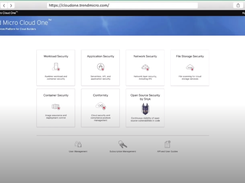
A security platform is only as good as your ability to use it effectively. User experience matters for daily operations.
Sweet Security User Experience
Sweet Security designed its console for security teams working in cloud-native environments.
Dashboard and Visualization
The main dashboard provides quick visibility into your security posture. Key metrics appear front and center:
- Active threats and ongoing investigations
- Risk scores across environments
- Recent detections and alerts
- Compliance status snapshots
Visualizations help understand attack chains and relationships. You can see how different events connect into broader attack narratives.
Investigation Workflow
When alerts fire, the investigation experience guides analysis. You get:
- Timeline views of attack progression
- Process trees showing execution chains
- Network connection graphs
- File activity summaries
This context reduces time spent hunting for information. Analysts can understand incidents faster.
Policy Management
Creating and managing policies follows a straightforward approach. You define:
- What behaviors to monitor
- How to respond to detections
- Which workloads policies apply to
Policy templates help teams get started quickly. You can customize them as you learn your environment’s patterns.
Learning Curve
Security teams generally find Sweet Security intuitive. The focused feature set means fewer concepts to master. Teams familiar with cloud-native tools adapt quickly.
Behavioral tuning takes more effort. Learning what’s normal for your environment requires ongoing attention during initial deployment.
Trend Micro Cloud One User Experience
Trend Micro Cloud One provides a comprehensive console covering multiple security domains.
Unified Console Design
Cloud One consolidates multiple services in one interface. Navigation organizes capabilities by service:
- Workload Security
- Container Security
- Conformity (CSPM)
- File Storage Security
- Application Security
- Network Security
Each service has its own section with specialized interfaces. This organization makes sense once you learn the structure.
Dashboard and Reporting
Dashboards provide visibility across all Cloud One services. Executive summaries show overall risk posture. Detailed views drill into specific areas.
Reporting capabilities are extensive. You can generate:
- Compliance reports for auditors
- Executive summaries for leadership
- Technical reports for operations
- Trend analysis over time
Policy and Configuration
Policy management varies by service. Workload Security uses policy-based protection with inheritance. You define policies at different levels and apply them to groups of resources.
Conformity uses rules and rule sets for posture management. You enable rules and configure exceptions where needed.
Learning Curve
The breadth of Cloud One means more to learn. Teams new to Trend Micro products need time to understand all capabilities.
Organizations already using Trend Micro products find the experience familiar. Concepts carry over from other Trend Micro solutions.
User Experience Comparison
| UX Factor | Sweet Security | Trend Micro Cloud One |
|---|---|---|
| Console Design | Modern, focused interface. Purpose-built for runtime security. | Comprehensive console covering multiple security domains. |
| Dashboard Quality | Clean visualizations. Attack chain focus. | Extensive dashboards. Service-specific views. |
| Investigation Experience | Strong. Built for threat investigation. | Good. Better with Vision One XDR integration. |
| Policy Management | Straightforward. Behavioral focus. | Powerful but complex. Many options to configure. |
| Reporting | Basic reporting capabilities. | Extensive reporting with compliance focus. |
| Learning Curve | Moderate. Behavioral tuning takes effort. | Steeper. More features to master. |
| Mobile Access | Web-based. Mobile browser access. | Web-based with mobile app available. |
Customer Support and Professional Services
Support quality affects your long-term success with any security platform. Let’s compare support options.
Sweet Security Support
As a growing company, Sweet Security provides focused support to build customer relationships.
Support Channels
Sweet Security offers support through:
- Email support tickets
- Chat-based support
- Video calls for complex issues
- Dedicated Slack channels (some customers)
Response Times
Customer feedback indicates responsive support. Smaller customer base means less competition for support resources. Teams often get direct access to engineering expertise.
Documentation and Self-Service
Sweet Security provides:
- Online documentation
- Deployment guides
- API documentation
- Knowledge base articles
Documentation quality is good but growing. Newer features may have less comprehensive documentation initially.
Professional Services
Implementation assistance is available. Sweet Security can help with:
- Initial deployment and configuration
- Integration with existing tools
- Behavioral baseline tuning
- Security team training
Trend Micro Support
Trend Micro offers enterprise-grade support matching their market position.
Support Tiers
Multiple support levels are available:
- Standard Support: Business hours, email and web portal
- Premium Support: 24/7 phone support, faster response times
- Premium+ Support: Named support engineer, proactive reviews
Pricing varies by tier and coverage level selected.
Response Commitments
Trend Micro provides SLA-backed response times:
- Critical issues: 1-hour response (Premium)
- High priority: 4-hour response
- Medium priority: 8-hour response
- Low priority: 24-hour response
Documentation and Resources
Trend Micro provides extensive self-service resources:
- Comprehensive online documentation
- Video tutorials and training
- Community forums
- Knowledge base with thousands of articles
- Best practice guides
Documentation reflects years of product development. Most questions have existing answers.
Professional Services
Trend Micro offers formal professional services:
- Architecture consulting
- Implementation services
- Migration assistance
- Security assessments
- Custom training programs
Partners also provide implementation and support services. This expands your options for getting help.
Support Comparison
| Support Factor | Sweet Security | Trend Micro Cloud One |
|---|---|---|
| 24/7 Support | Available on request. May require commitment. | Available with Premium tier. |
| Response Times | Generally fast. Fewer customers competing. | SLA-backed. Varies by support tier. |
| Phone Support | Scheduled calls. Not always immediate. | 24/7 phone with Premium support. |
| Documentation | Good and improving. Growing library. | Extensive. Mature documentation. |
| Community Resources | Smaller community. Direct vendor engagement. | Large community. Active forums. |
| Professional Services | Available. Direct vendor engagement. | Formal offerings. Partner ecosystem. |
| Training Programs | Custom training available. | Certification programs. Formal curriculum. |
Security Certifications and Compliance Support
Both platforms help organizations meet compliance requirements. But their approaches differ.
Sweet Security Compliance Capabilities
Sweet Security helps demonstrate security controls for compliance purposes.
Supported Compliance Frameworks
The platform maps findings to common frameworks:
- CIS Benchmarks
- SOC 2
- PCI DSS
- HIPAA
- GDPR
Compliance Reporting
Sweet Security generates compliance reports showing your posture. Reports highlight passing and failing controls. They provide evidence for auditor review.
Runtime Compliance Evidence
One unique aspect: Sweet Security provides runtime evidence. You can show that security controls actually worked. Not just that they were configured.
This runtime evidence can strengthen compliance documentation. It demonstrates active protection, not just configuration.
Trend Micro Cloud One Compliance Capabilities
Trend Micro provides deep compliance capabilities through Conformity and other services.
Extensive Framework Coverage
Conformity supports over 20 compliance frameworks:
- CIS Benchmarks (AWS, Azure, GCP)
- SOC 2 Type I and Type II
- PCI DSS 3.2.1 and 4.0
- HIPAA
- GDPR
- ISO 27001
- NIST 800-53
- NIST Cybersecurity Framework
- FedRAMP
- APRA (Australia)
- MAS TRM (Singapore)
- And more regional standards
Continuous Compliance Monitoring
Conformity monitors compliance continuously. Not just periodic scans. You see real-time compliance status across all your cloud accounts.
When configurations drift out of compliance, alerts fire immediately. You can fix issues before auditors find them.
Audit-Ready Reporting
Compliance reports are designed for audit consumption. They map your controls directly to framework requirements. Export options include PDF, CSV, and API access for custom reporting.
Trend Micro’s Own Certifications
Trend Micro Cloud One maintains certifications that may matter for your compliance:
- SOC 2 Type II
- ISO 27001
- ISO 27017
- ISO 27018
- CSA STAR
These certifications validate Trend Micro’s own security practices. They support your vendor risk assessments.
Compliance Comparison
| Compliance Factor | Sweet Security | Trend Micro Cloud One |
|---|---|---|
| Framework Coverage | Major frameworks covered. | Extensive. 20+ frameworks including regional. |
| Continuous Monitoring | Available but not primary focus. | Core capability. Real-time compliance tracking. |
| Report Quality | Good reports for common frameworks. | Audit-ready reports with detailed mapping. |
| Runtime Evidence | Strong. Shows active protection working. | Available through workload protection logs. |
| Vendor Certifications | Growing certification portfolio. | Extensive certifications (SOC 2, ISO, CSA). |
| Custom Framework Support | Limited custom framework options. | Custom rules can support internal standards. |
Performance Impact and Scalability
Security tools shouldn’t slow down your applications. Let’s examine performance characteristics.
Sweet Security Performance Profile
Sweet Security designed for minimal performance impact from the start.
eBPF Efficiency
The eBPF-based approach is inherently efficient. eBPF programs run in kernel space with strict performance constraints. They can’t hog CPU or memory.
Typical overhead ranges from 1-3% CPU impact. Memory footprint stays small. Network latency addition is minimal.
Data Processing Architecture
Heavy analysis happens in Sweet Security’s cloud, not on your workloads. Agents collect and forward telemetry. They don’t run complex analysis locally.
This architecture keeps agent impact low. Processing power stays available for your applications.
Scaling Characteristics
Sweet Security scales with your Kubernetes clusters and cloud workloads. The SaaS backend handles processing growth. You don’t need to provision additional infrastructure.
Large deployments may need coordination with Sweet Security. Very high-scale environments benefit from architecture review.
Trend Micro Cloud One Performance Profile
Trend Micro’s impact varies by which protection features you enable.
Modular Impact
Different Cloud One services have different performance characteristics:
- Conformity: Zero workload impact (agentless)
- Container Security scanning: Minimal (image scanning)
- Workload Security: Varies with enabled features
- Network Security: Adds network latency
Workload Security Overhead
Full Workload Security with all features enabled can have noticeable impact:
- Anti-malware scanning uses CPU during file access
- IPS inspection adds network processing
- Integrity monitoring tracks file changes
Typical guidance suggests 5-10% CPU overhead for full protection. You can reduce this by disabling features you don’t need.
Optimization Options
Trend Micro provides tuning options to reduce impact:
- Scheduled scans during low-activity periods
- Exclusion lists for trusted files and directories
- Feature selection based on workload requirements
- Resource limits for agent processes
Enterprise Scaling
Trend Micro supports very large deployments. Enterprises with hundreds of thousands of workloads use the platform successfully.
The management infrastructure scales to handle large agent populations. Multi-tenant architecture supports enterprise requirements.
Performance Comparison
| Performance Factor | Sweet Security | Trend Micro Cloud One |
|---|---|---|
| Typical CPU Overhead | 1-3% with standard configuration. | 5-10% with full features enabled. |
| Memory Footprint | Lightweight agents. Minimal memory. | Larger agents with more features. |
| Network Latency | Minimal addition. | IPS inspection adds latency. |
| Scalability | Good. SaaS handles processing growth. | Excellent. Proven at enterprise scale. |
| Tuning Options | Some tuning for behavioral sensitivity. | Extensive tuning and optimization options. |
| Agentless Options | Limited. Core detection needs agents. | Available for CSPM and image scanning. |
Final Verdict: Choosing Between Sweet Security and Trend Micro Cloud One
After examining all these factors, which platform should you choose? The answer depends on your specific situation.
Choose Sweet Security When:
- Runtime protection is your top priority. Sweet Security’s behavioral detection excels at catching active threats in containerized environments.
- You run primarily containers and Kubernetes. The platform was built for cloud-native workloads. It understands these environments deeply.
- You want minimal performance impact. eBPF-based detection keeps overhead very low.
- Your team values focused tools. Sweet Security does fewer things but does them well.
- You’re willing to work with a growing vendor. Smaller company means more direct engagement but less market presence.
Choose Trend Micro Cloud One When:
- You need comprehensive security coverage. Cloud One protects workloads, containers, storage, applications, and network.
- Compliance is a major driver. Conformity’s extensive framework support and reporting simplifies audits.
- You have hybrid or multi-cloud environments. Trend Micro supports more cloud providers and on-premises infrastructure.
- You want proven enterprise scale. Decades of enterprise experience shows in platform maturity.
- Integration with existing security tools matters. Trend Micro’s broader ecosystem offers more connection points.
- You already use other Trend Micro products. Vision One integration adds cross-platform value.
The Hybrid Approach
Some organizations use both platforms. Sweet Security for deep container runtime protection. Trend Micro Cloud One for posture management and traditional workload security.
This approach captures the strengths of each. But it adds complexity and cost. Most organizations should pick one platform as their primary CNAPP solution.
Making Your Decision
Start with a proof of concept. Both vendors offer trial options. Deploy each in a representative environment. Evaluate detection quality, operational fit, and team experience.
Talk to current customers. Ask about their experiences, challenges, and successes. References provide insights that demos and documentation can’t.
Consider your trajectory. Where will your environment be in two years? Choose the platform that grows with your needs.
Conclusion: Sweet Security vs Trend Micro Cloud One Summary
Both Sweet Security and Trend Micro Cloud One deliver strong CNAPP capabilities, but they serve different needs. Sweet Security shines for organizations prioritizing runtime protection and container security with minimal overhead. Trend Micro Cloud One offers broader coverage, deeper compliance support, and enterprise-proven scalability.
Your choice should match your environment, priorities, and team capabilities. Evaluate both platforms against your specific requirements. The right CNAPP will strengthen your cloud security posture and help your team work more effectively.
Frequently Asked Questions About Sweet Security vs Trend Micro Cloud One
| What is the main difference between Sweet Security and Trend Micro Cloud One? |
| Sweet Security focuses primarily on runtime protection and behavioral detection for cloud-native workloads, especially containers and Kubernetes. Trend Micro Cloud One provides broader security coverage including posture management, workload protection, container security, and network security. Sweet Security goes deeper in one area while Trend Micro covers more ground. |
| Which platform is better for Kubernetes security? |
| Sweet Security was built specifically for Kubernetes and container environments. It provides deep kernel-level visibility using eBPF technology and understands Kubernetes primitives natively. Trend Micro Cloud One also supports Kubernetes well but as part of a broader platform. For pure Kubernetes focus, Sweet Security often has an edge. For mixed environments, Trend Micro’s breadth may be more valuable. |
| How do the pricing models compare between Sweet Security and Trend Micro Cloud One? |
| Sweet Security uses consumption-based pricing tied to protected workloads. Pricing requires direct engagement with sales. Trend Micro Cloud One offers flexible options including credit-based consumption, traditional per-instance licensing, and availability through cloud marketplaces like AWS. Enterprise agreements can reduce costs for large deployments. Both vendors require custom quotes for accurate pricing. |
| Which platform has better compliance support? |
| Trend Micro Cloud One has stronger compliance capabilities through its Conformity service. It supports over 20 compliance frameworks with audit-ready reporting and continuous monitoring. Sweet Security covers major frameworks but with less depth. Organizations with heavy compliance requirements typically find Trend Micro’s offering more complete. |
| What is the performance impact of each platform? |
| Sweet Security typically shows 1-3% CPU overhead due to its efficient eBPF-based architecture. Trend Micro Cloud One can range from 5-10% with full features enabled, though this varies by which services you deploy. Trend Micro offers more tuning options to reduce impact. Organizations sensitive to performance often prefer Sweet Security’s lighter approach. |
| Can I use both Sweet Security and Trend Micro Cloud One together? |
| Yes, some organizations deploy both platforms for different purposes. Sweet Security might handle container runtime protection while Trend Micro provides posture management and traditional workload security. This captures the strengths of each but adds complexity and cost. Most organizations choose one as their primary CNAPP platform. |
| Which platform is better for smaller security teams? |
| Sweet Security’s focused feature set can be easier for smaller teams to manage. There’s less to configure and learn. Trend Micro Cloud One offers more capabilities but requires more expertise to use effectively. However, Trend Micro’s extensive documentation and support resources can help smaller teams ramp up. The choice depends on your team’s priorities and growth plans. |
| How do detection capabilities compare between Sweet Security and Trend Micro Cloud One? |
| Sweet Security excels at behavioral detection and attack chain correlation. It catches unknown threats by identifying deviations from normal behavior. Trend Micro Cloud One uses multiple detection layers including signatures, machine learning, and behavioral analysis. It has a larger threat intelligence network built over decades. Sweet Security may catch novel cloud-native attacks better while Trend Micro excels at known malware and exploits. |
| What cloud providers do Sweet Security and Trend Micro Cloud One support? |
| Sweet Security supports AWS, Azure, and GCP. Trend Micro Cloud One supports these plus Oracle Cloud, IBM Cloud, and Alibaba Cloud. Trend Micro also supports on-premises environments including VMware and Hyper-V. Organizations with workloads outside the major three cloud providers may need Trend Micro’s broader support. |
| Which vendor provides better customer support? |
| Trend Micro offers formal support tiers with SLA-backed response times, 24/7 phone support options, and extensive documentation. Sweet Security provides responsive support with direct access to engineering teams, benefiting from a smaller customer base. Both receive positive feedback from customers. Trend Micro’s support is more structured while Sweet Security offers more personalized engagement. |

 Stack Insight is intended to support informed decision-making by providing independent information about business software and services. Some product details, including pricing, features, and promotional offers, may be supplied by vendors or partners and can change without notice.