
OX Security vs Checkmarx: A Complete Comparison for 2026
Picking the right application security platform isn’t simple. Your development teams are pushing code faster than ever. AI tools are writing chunks of that code. And attackers? They’re getting smarter by the day.
Two names keep popping up in conversations about modern AppSec: OX Security and Checkmarx. Both promise to secure your software supply chain. Both claim to handle AI-generated code. But they take different approaches to get there.
This comparison breaks down what each platform actually does. We’ll look at how they handle static analysis, software composition, supply chain security, and the increasingly messy world of AI-assisted development. You’ll find real feature comparisons, pricing considerations, and honest takes on where each tool shines or falls short.
By the end, you’ll know which platform fits your team’s needs. Let’s dig in.
Understanding Application Security Posture Management in 2026
Before we compare OX Security and Checkmarx directly, let’s set the stage. Application Security Posture Management (ASPM) has become the go-to approach for security teams drowning in alerts and scattered tools.
What ASPM Actually Means
ASPM platforms pull together findings from multiple security tools. They give you one place to see vulnerabilities across your entire development pipeline. No more jumping between dashboards. No more spreadsheets tracking which team owns which issue.
The best ASPM solutions do more than aggregate alerts. They add context. They tell you which vulnerabilities actually matter based on how your code runs in production. They help you prioritize fixes based on real risk, not just severity scores.
Why Traditional AppSec Tools Fall Short
Old-school application security worked like this: run a scanner, get a report, hand it to developers, hope they fix things. That model broke years ago.
- Alert fatigue is real. Teams get thousands of findings. Most are noise.
- Context is missing. A critical vulnerability in unreachable code isn’t actually critical.
- Development moves too fast. Weekly scans can’t keep up with daily deployments.
- Supply chain attacks are increasing. Your dependencies have dependencies. Who’s watching all that?
Both OX Security and Checkmarx evolved to address these gaps. They just took different paths to get there.
The Rise of AI in Code Creation
Here’s what changed everything: developers now use AI assistants to write code. GitHub Copilot, ChatGPT, Amazon CodeWhisperer. These tools speed up development but introduce new risks.
AI-generated code often contains subtle vulnerabilities. The models learned from public repositories filled with insecure patterns. When developers accept AI suggestions without careful review, they’re potentially shipping those weaknesses to production.
OX Security has been recognized for its approach to handling AI-generated code security. The company ran live DAST demonstrations against AI output, showing how they detect issues in machine-written code. Checkmarx picked up a Global InfoSec Award for AI-generated code security in recent months.
Both platforms now market themselves as solutions for the AI-assisted development era. Let’s see how they actually deliver.
Company Background: OX Security and Checkmarx Origins
OX Security: The Newer Player
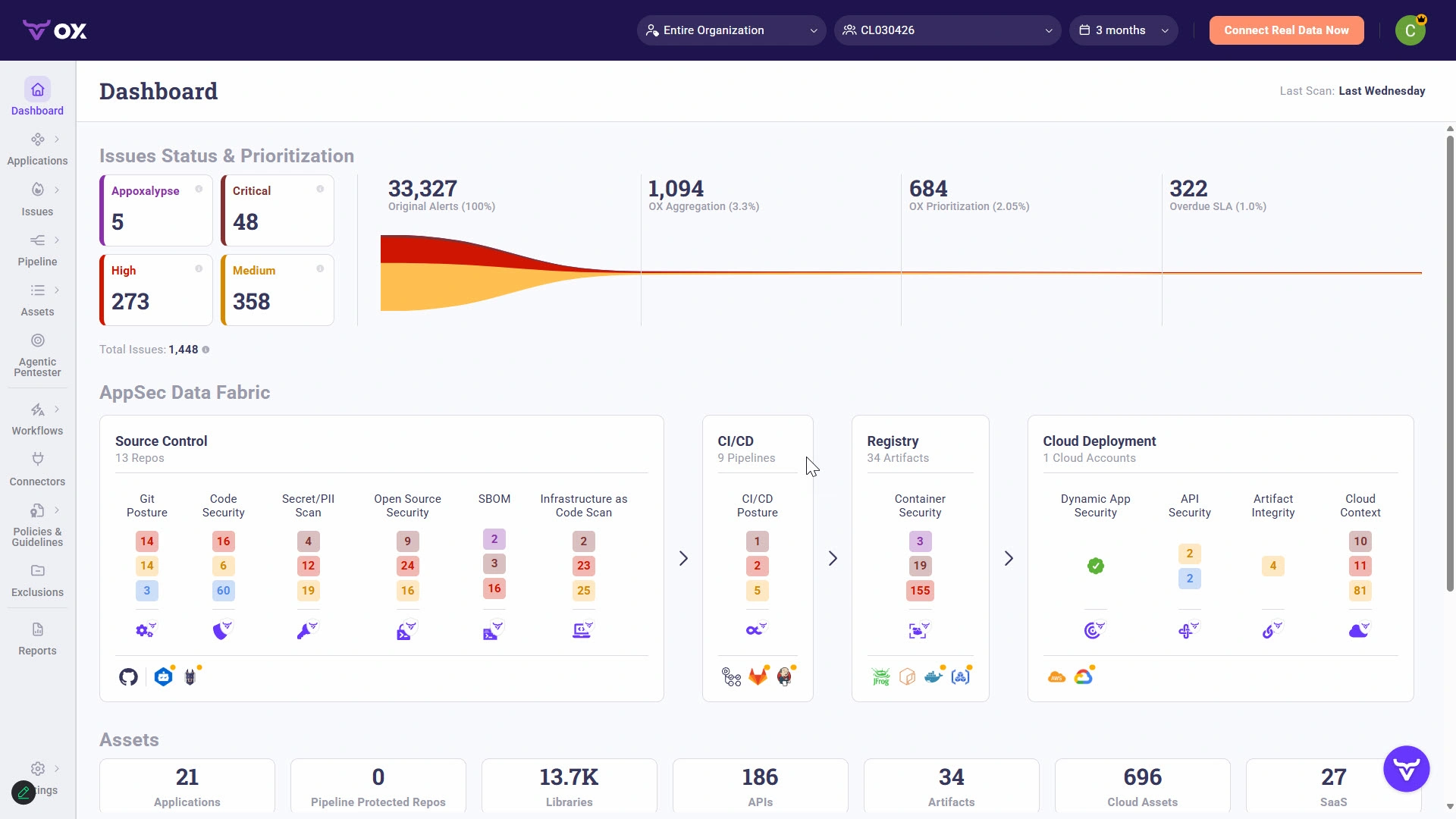
OX Security emerged as a specialist in software supply chain security. The company positions itself around “Prompt to Runtime Security,” covering applications from AI coding assistance through production deployment.
In 2026, OX Security was named a Leader in the first-ever Gartner Magic Quadrant for Software Supply Chain Security. This recognition validates their focus on the supply chain angle.
Their tagline says it all: “Pinpoint risk at its exact point of creation and eliminate it at the source.” OX wants to catch problems before they spread through your codebase.
The platform aims to:
- Automatically prevent vulnerabilities in AI-generated code
- Pinpoint and investigate code-level issues across the entire SDLC
- Provide a unified view across the software supply chain
- Integrate with third-party tools already in your stack
Customer testimonials highlight early issue detection. One user from Upstream Security noted they were searching for a way to upscale their application security stack. OX provided streamlined security with valuable insights in the CI pipeline.
Checkmarx: The Established Veteran
Checkmarx has been in the application security game much longer. They built their reputation on static application security testing (SAST) and expanded from there.
Today, Checkmarx positions itself as “The Agentic Application Security Platform.” They combine hybrid scanning, AI-powered agents, and unified risk intelligence across attack surfaces.
Their pitch focuses on keeping security pace with modern development. They emphasize covering every stage of the AI-driven software development lifecycle.
Checkmarx highlights a key concern: “AI is off the leash, and the industry is blindfolding itself.” Attackers now use AI to create exploits in minutes. Overlooked vulnerabilities become real threats much faster than before.
The company received FedRAMP certification, giving public sector agencies a certified platform for securing software across the full development lifecycle. This matters for government contractors and enterprises with strict compliance requirements.
Their value proposition centers on:
- Securing code from creation to runtime
- Providing context to prioritize what matters
- Offering actionable guidance to fix risk faster
- Governing risk with agentic AI application security
Market Positioning Differences
OX Security carved out a niche in software supply chain security. They’re the specialist. Checkmarx plays the generalist with broader coverage across application security categories.
This distinction matters when choosing. If supply chain security is your primary concern, OX’s focused approach might appeal. If you need comprehensive coverage across all AppSec domains, Checkmarx’s broader platform could fit better.
Core Security Testing Capabilities: SAST, SCA, and Beyond
Static Application Security Testing (SAST)
SAST analyzes source code without running it. Think of it as a spell-checker for security issues. Both platforms offer SAST, but their implementations differ.
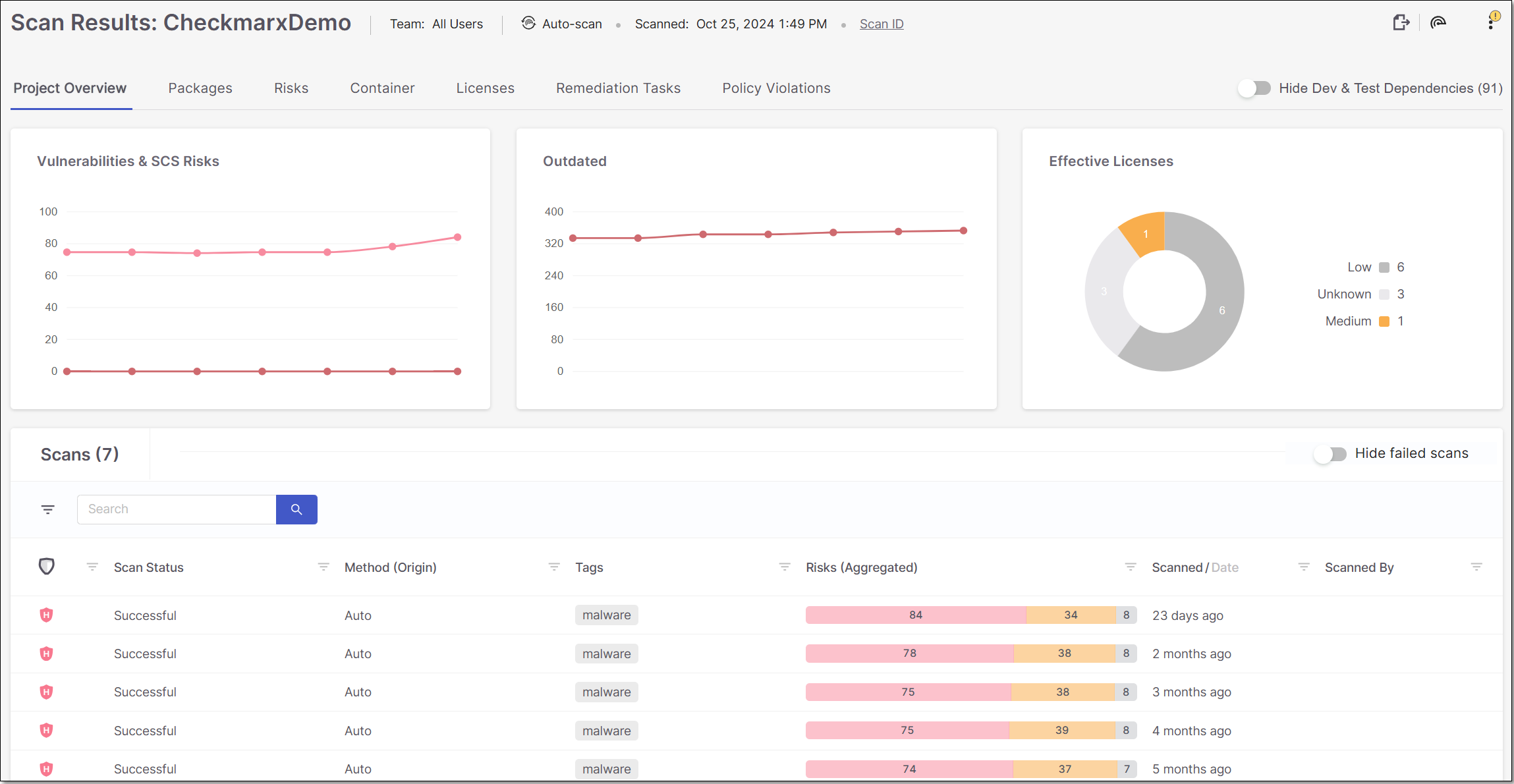
Checkmarx SAST is one of the most established solutions in the market. They’ve built language support over many years. Their engine handles complex data flows and can trace vulnerabilities across multiple files and functions.
Key Checkmarx SAST features:
- Support for 30+ programming languages
- Incremental scanning for faster results
- Custom query writing for organization-specific rules
- IDE integration for real-time feedback
- Deep analysis of complex codebases
OX Security’s SAST approach integrates with their broader pipeline security. They focus on scanning at the right moments in development, not just at commit time.
OX Security SAST highlights:
- Integration with CI/CD pipelines for automated scanning
- AI-generated code analysis
- Early detection before code reaches production branches
- Correlation with other security findings for context
Software Composition Analysis (SCA)
SCA examines your third-party dependencies. Open source libraries make up most modern applications. Each one is a potential entry point for attackers.
Checkmarx SCA scans your dependencies and their dependencies. They maintain vulnerability databases and alert you when known issues affect your stack.
Features include:
- License compliance checking
- Transitive dependency analysis
- Remediation guidance with safe upgrade paths
- Integration with package managers
- Risk scoring based on multiple factors
OX Security SCA ties into their supply chain focus. They emphasize understanding not just what dependencies you have, but how they got into your codebase.
OX SCA capabilities:
- Full dependency tree visibility
- Supply chain attack detection
- Package provenance verification
- Contextual risk assessment
- Integration with third-party SCA tools
Dynamic Application Security Testing (DAST)
DAST tests running applications. It simulates attacks against deployed software to find vulnerabilities that static analysis misses.
Checkmarx DAST provides runtime testing capabilities. They can identify issues that only appear when code executes, like authentication problems or injection vulnerabilities that depend on application state.
OX Security has demonstrated DAST capabilities specifically against AI-generated code. Their live demonstrations showed detection of vulnerabilities in machine-written applications.
Comparison Table: Core Security Testing
| Capability | OX Security | Checkmarx |
|---|---|---|
| SAST | Integrated with pipeline focus | Deep, mature engine with broad language support |
| SCA | Supply chain-centric approach | Comprehensive with license compliance |
| DAST | AI code focused demonstrations | Full runtime testing capabilities |
| Language Support | Growing coverage | 30+ languages |
| Custom Rules | Available | Advanced query language |
Software Supply Chain Security: OX Security vs Checkmarx One
Supply chain security became headline news after attacks on SolarWinds, Log4j, and countless other incidents. Both platforms address this, but OX Security built their entire identity around it.
OX Security’s Supply Chain Focus
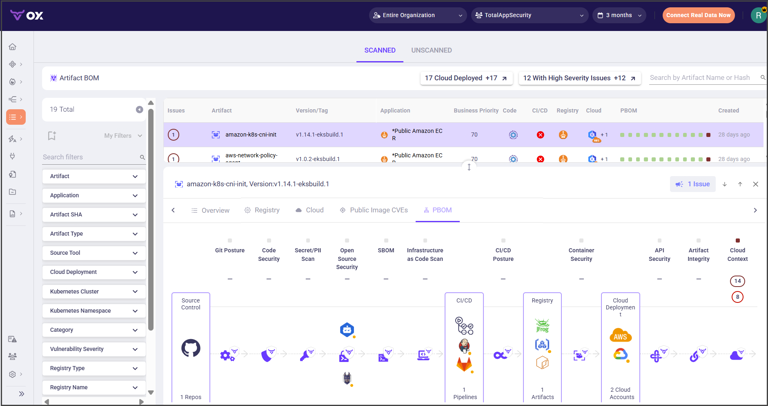
OX Security’s Gartner recognition came specifically for software supply chain security. This is their home territory.
Their platform provides:
- Unified visibility across the entire software supply chain
- Third-party tool integration to see risk regardless of what scanners you use
- Pipeline security to protect CI/CD infrastructure itself
- Artifact verification to ensure build integrity
- Developer environment monitoring to catch issues at the source
The “Prompt to Runtime” positioning means they track code from the moment it’s written, even by AI assistants, all the way to production deployment.
OX helps security teams understand:
- Where code actually came from
- What changed and when
- Which pipelines have security gaps
- How dependencies flow through the organization
Checkmarx Supply Chain Approach
Checkmarx expanded into supply chain security as part of their broader platform. They offer protection but position it as one piece of a larger solution.
Their supply chain capabilities include:
- Malicious package detection in open source repositories
- Dependency analysis with vulnerability mapping
- Container security for packaged applications
- Infrastructure as code scanning for deployment configurations
- API security for application interfaces
Checkmarx takes a broader view. They secure the supply chain as part of securing everything else. OX Security makes supply chain the center of their universe.
Pipeline Security Comparison
Your CI/CD pipeline is a prime attack target. If attackers compromise your build system, they can inject malicious code into every release.
OX Security treats pipeline security as first-class. They monitor:
- Pipeline configuration changes
- Access control modifications
- Secret management practices
- Build artifact integrity
- Deployment authorization flows
Checkmarx integrates with pipelines primarily for scanning purposes. Their security gates stop vulnerable code from deploying. But they focus more on what the code does than how the pipeline operates.
Which Approach Fits Your Needs?
Choose OX Security if:
- Supply chain attacks are your top concern
- You need deep visibility into code origins
- Pipeline security gaps keep you up at night
- You want to consolidate supply chain findings from multiple tools
Choose Checkmarx if:
- You need comprehensive AppSec coverage
- Supply chain is one of many concerns
- You value mature scanning engines
- Broad vulnerability detection matters more than supply chain specialization
AI-Generated Code Security: How Both Platforms Respond
AI coding assistants changed everything. Developers now accept code suggestions from machines trained on millions of repositories. Some of that training data contained insecure patterns.
The AI Security Challenge
Here’s what makes AI-generated code tricky:
- Speed: Developers accept suggestions quickly without deep review
- Volume: AI can generate more code faster than humans can audit
- Patterns: Models learned from code that wasn’t always secure
- Obfuscation: AI-written code can look correct while hiding flaws
- Novelty: Some AI vulnerabilities don’t match known patterns
Checkmarx puts it bluntly: “Attackers can now use AI to create exploits in minutes, turning overlooked vulnerabilities into real threats much faster.”
OX Security’s AI Code Approach
OX Security positions AI code security prominently. Their platform promises to “automatically prevent vulnerabilities in AI-generated code, ensuring security from the first line.”
Their approach includes:
- Real-time scanning of AI suggestions before acceptance
- Pattern recognition for common AI coding mistakes
- DAST testing specifically targeting AI-written applications
- Developer feedback at the moment code is generated
- Training data analysis to understand AI model risks
The live DAST demonstrations against AI output show OX taking this threat seriously. They’re not just marketing AI security. They’re showing it in action.
Checkmarx AI Security Features
Checkmarx won a Global InfoSec Award for AI-generated code security. Their platform addresses the AI challenge through several capabilities:
- Agentic AI for security analysis and remediation
- Context-aware scanning that understands AI coding patterns
- Governance controls for AI tool usage in development
- Runtime protection for deployed AI-written code
- Security across the AI-driven SDLC
Checkmarx describes their mission: “AppSec Software Built to Secure What AI Can’t.” They position themselves as the safety net for code that humans no longer fully control.
AI Security Comparison
| AI Security Feature | OX Security | Checkmarx |
|---|---|---|
| Real-time AI code scanning | Yes, at code generation | Yes, with context awareness |
| AI pattern detection | Focused capability | Part of broader analysis |
| AI tool governance | Available | Strong focus area |
| Runtime AI code protection | DAST demonstrations | Full runtime coverage |
| Industry recognition | Live demonstrations | Global InfoSec Award |
Which Platform Handles AI Code Better?
Both platforms take AI-generated code seriously. The differences come down to focus:
OX Security emphasizes catching AI vulnerabilities at the source. They want to stop bad code before it enters your repository. Their demonstrations show active testing against AI output.
Checkmarx takes a governance angle. They want to control how AI tools are used and catch issues across the entire lifecycle. Their agentic AI approach uses artificial intelligence to fight artificial intelligence.
For organizations heavily using AI coding tools, either platform offers meaningful protection. Your choice might depend on whether you prefer prevention at the source (OX) or comprehensive governance (Checkmarx).
Integration and Developer Experience
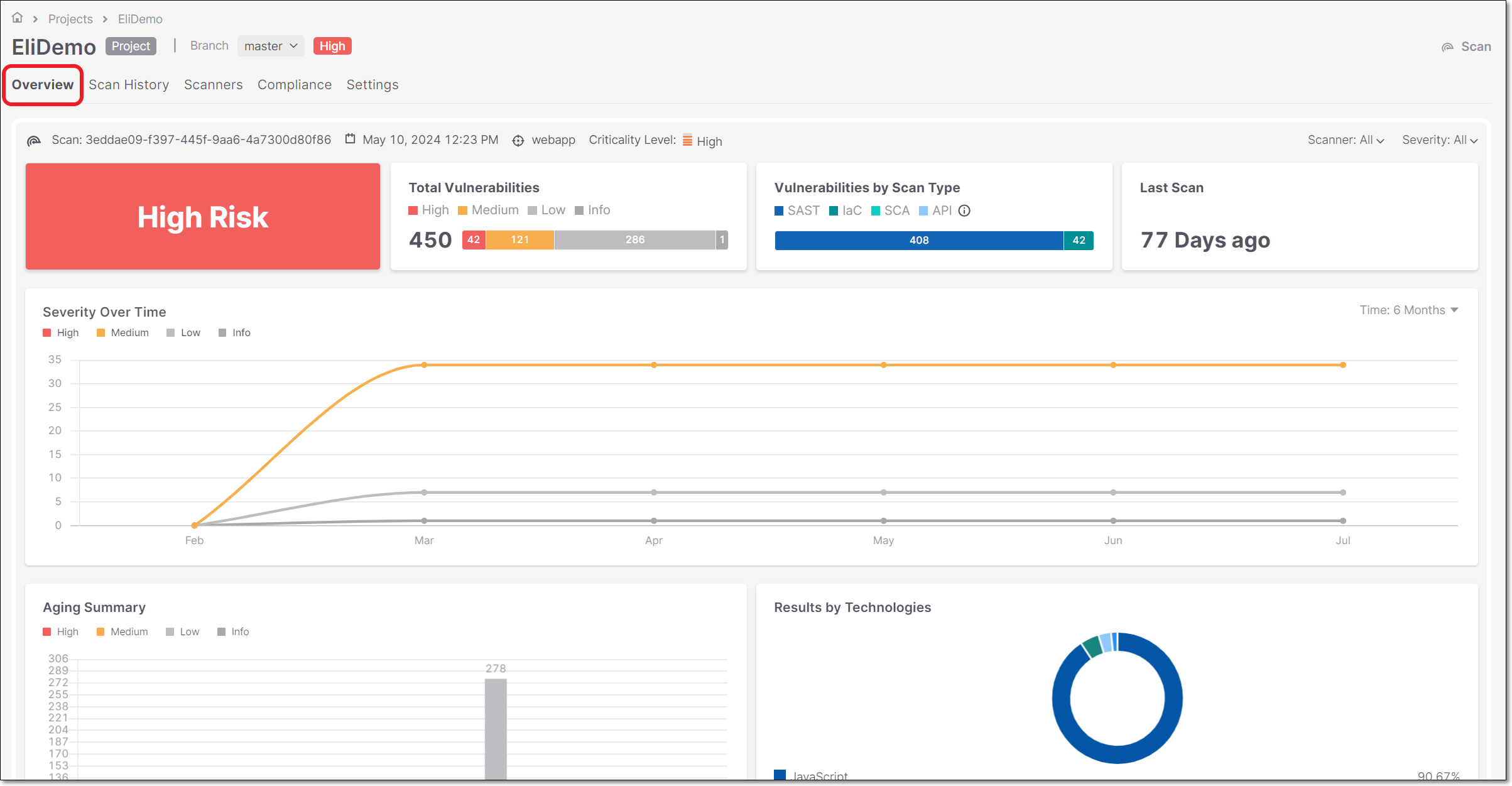
Security tools only work if developers actually use them. Both OX Security and Checkmarx emphasize integration and developer experience, but they approach it differently.
CI/CD Pipeline Integration
Modern development runs on continuous integration and deployment. Security tools need to fit into existing workflows without becoming bottlenecks.
OX Security Integration:
- Native CI/CD pipeline support for major platforms
- Early detection in the pipeline, catching issues before merge
- Unified view that brings third-party tool findings together
- API-first design for custom integrations
- Webhook support for event-driven security checks
One OX customer noted: “OX is essential to our AppSec strategy, streamlining security with early issue detection in the CI pipeline and valuable insights.”
Checkmarx Integration:
- IDE plugins for real-time scanning while coding
- Git repository integration for automatic analysis
- Jenkins, GitHub Actions, GitLab CI support
- REST APIs for custom workflows
- Ticketing system connections for remediation tracking
Checkmarx has been building integrations for years. Their ecosystem is mature and covers most common development tools.
Developer Workflow Impact
Security tools that slow developers down get disabled or ignored. Both platforms try to minimize friction.
OX Security focuses on catching issues early. When problems surface in the CI pipeline before merge, developers can fix them while context is fresh. This beats finding issues weeks later during a security review.
Checkmarx offers incremental scanning. Instead of analyzing entire codebases, they check only what changed. This speeds up results dramatically for large repositories.
Remediation Guidance
Finding vulnerabilities is only half the battle. Developers need to know how to fix them.
OX Security provides:
- Root cause identification showing where issues originated
- Contextual fix suggestions
- Links to relevant documentation
- Priority guidance based on actual risk
Checkmarx offers:
- Detailed remediation instructions
- Code examples showing secure alternatives
- Learning resources for developer education
- Automated fix suggestions for common issues
Third-Party Tool Support
Most organizations use multiple security tools. The ability to bring findings together matters.
OX Security emphasizes their unified view across the software supply chain, including third-party tools. They position themselves as an aggregator that adds context to findings from any source.
Checkmarx primarily focuses on their own scanning capabilities but offers integrations with other security tools for a more complete picture.
Integration Comparison Table
| Integration Aspect | OX Security | Checkmarx |
|---|---|---|
| CI/CD Support | Native, pipeline-focused | Mature, broad coverage |
| IDE Plugins | Available | Strong, multiple IDEs |
| Third-Party Aggregation | Core feature | Available but not primary |
| API Access | API-first design | Full REST APIs |
| Incremental Scanning | Supported | Advanced capability |
Prioritization and Risk Assessment
Security teams face a constant problem: too many findings, not enough time. Both platforms offer ways to focus on what matters most.
OX Security Risk Assessment
OX Security emphasizes pinpointing risk at its exact point of creation. Their prioritization considers:
- Code reachability: Can the vulnerable code actually be triggered?
- Exploit availability: Do known exploits exist for this issue?
- Asset criticality: How important is the affected application?
- Supply chain context: Did this come from a dependency or first-party code?
- Blast radius: How many systems would be affected?
The platform helps security teams eliminate noise. Instead of reviewing thousands of findings, they can focus on dozens that actually pose risk.
Checkmarx Risk Intelligence
Checkmarx describes their approach as “unified risk intelligence across every attack surface.” Their prioritization factors include:
- Exploitability: How easy is this vulnerability to exploit?
- Business impact: What would happen if exploited?
- Attack path analysis: How would an attacker reach this code?
- Data sensitivity: Does this code handle sensitive information?
- Compliance relevance: Does this affect regulatory requirements?
Checkmarx also uses context to prioritize. They look at how code runs in production, not just what vulnerabilities exist in isolation.
False Positive Management
False positives waste developer time and erode trust in security tools. Both platforms work to reduce them.
OX Security correlates findings across multiple sources. When multiple tools agree, confidence increases. When findings conflict, the platform can flag potential false positives for review.
Checkmarx uses machine learning to reduce false positives over time. Their engines learn from previous assessments and user feedback to improve accuracy.
Remediation Prioritization
Knowing what’s most urgent helps teams allocate limited resources effectively.
OX Security helps teams:
- Identify quick wins with high impact
- Group related findings for efficient fixing
- Track remediation progress across teams
- Measure risk reduction over time
Checkmarx provides:
- Actionable guidance ranked by urgency
- Fix suggestions that address root causes
- Trend analysis to spot recurring issues
- Team performance metrics
Compliance and Regulatory Support
Many organizations choose security tools partly based on compliance needs. Both platforms address regulatory requirements, but with different strengths.
Checkmarx Compliance Capabilities
Checkmarx has a clear advantage for regulated industries: FedRAMP certification. This gives public sector agencies a certified platform for securing software across the full development lifecycle.
Their compliance support includes:
- FedRAMP authorization for government use
- SOC 2 compliance for service organizations
- PCI DSS coverage for payment processing
- HIPAA support for healthcare
- GDPR considerations for European data protection
- Custom compliance reporting for specific frameworks
For government contractors and highly regulated enterprises, Checkmarx’s certifications reduce procurement friction.
OX Security Compliance Features
OX Security addresses compliance through supply chain security and framework mapping. Their approach includes:
- SSDF compliance for secure software development
- SBOM generation for software bill of materials requirements
- Framework mapping to security standards
- Audit trail for code origin and changes
- Policy enforcement across the supply chain
For organizations concerned about supply chain compliance specifically, OX offers focused capabilities.
Industry-Specific Considerations
| Industry | OX Security Fit | Checkmarx Fit |
|---|---|---|
| Government | Supply chain focus relevant | FedRAMP certified |
| Financial Services | SBOM and audit trails | PCI DSS, SOC 2 support |
| Healthcare | Supply chain visibility | HIPAA compliance features |
| Technology | Strong fit for DevOps teams | Broad coverage for varied stacks |
| Retail | Dependency management | PCI DSS for payments |
Pricing and Licensing Models
Pricing for enterprise security tools is rarely straightforward. Both OX Security and Checkmarx require direct conversations with sales teams for accurate quotes.
General Pricing Factors
Both platforms typically price based on:
- Number of developers or users
- Lines of code or repository size
- Applications being protected
- Feature tiers selected
- Contract length and commitment
OX Security Pricing Approach
OX Security offers subscription-based licensing. As a newer player focused on supply chain security, they often compete on price against established vendors.
Factors affecting OX pricing:
- Number of applications monitored
- Pipeline integrations needed
- Third-party tool connections
- Support level required
Checkmarx Pricing Approach
Checkmarx offers both cloud and on-premises deployment options. Their pricing reflects the mature, enterprise-focused nature of their platform.
Factors affecting Checkmarx pricing:
- Scanning engine combinations (SAST, SCA, DAST)
- Deployment model (cloud vs. self-hosted)
- User count and access levels
- Support and training requirements
Total Cost Considerations
License fees tell only part of the story. Consider these additional costs:
- Implementation: Time and resources to deploy
- Training: Getting teams up to speed
- Integration: Connecting to existing tools
- Maintenance: Ongoing administration
- Scaling: Costs as your organization grows
OX Security’s focus on aggregating third-party tools might reduce costs if you already have scanners in place. Checkmarx’s comprehensive platform might cost more upfront but reduce the need for multiple tools.
Free Trials and Evaluations
Both platforms offer evaluation options. Before committing, request:
- Proof of concept with your actual code
- Trial access for your team
- Reference calls with similar customers
- Clear pricing documentation
Customer Support and Training
Enterprise security tools require ongoing support. Both vendors offer assistance, but the experience differs based on company size and maturity.
OX Security Support
As a focused player, OX Security often provides:
- Dedicated customer success for enterprise accounts
- Technical support with security expertise
- Implementation assistance for new deployments
- Regular check-ins to ensure value realization
- Community resources and documentation
Smaller vendors sometimes offer more personalized attention. Enterprise customers may get direct access to engineering teams.
Checkmarx Support
Checkmarx has years of experience supporting enterprise customers:
- Tiered support levels based on contract
- Global support coverage across time zones
- Professional services for complex deployments
- Training programs and certifications
- Extensive documentation and knowledge base
Their larger organization means more support resources but potentially less personalized attention than smaller vendors.
Training and Enablement
OX Security provides:
- Onboarding sessions for new users
- Product documentation and guides
- Best practice recommendations
- Regular product updates and training
Checkmarx offers:
- Formal certification programs
- Online learning modules
- Instructor-led training options
- Developer security education programs
- Annual conferences and events
Deployment Options and Architecture
How and where the platform runs affects security teams significantly. Both vendors offer flexibility, but with different defaults.
OX Security Deployment
OX Security primarily operates as a cloud-native platform:
- SaaS delivery for quick deployment
- API-driven architecture for integration
- No infrastructure management required
- Automatic updates and new features
Cloud delivery simplifies deployment but requires comfort with data leaving your network for analysis.
Checkmarx Deployment Options
Checkmarx offers more deployment flexibility:
- Checkmarx One: Cloud-native SaaS platform
- On-premises: Self-hosted for data sensitivity requirements
- Hybrid: Mix of cloud and local components
- Private cloud: Dedicated instances for large enterprises
Organizations with strict data residency requirements often prefer Checkmarx’s self-hosted options.
Architecture Considerations
| Factor | OX Security | Checkmarx |
|---|---|---|
| Default Deployment | Cloud SaaS | Multiple options |
| On-Premises Option | Limited | Full support |
| Data Residency | Cloud regions | Flexible per deployment |
| Air-Gapped Support | Limited | Available |
| Scaling | Automatic in cloud | Depends on deployment |
Target Customers and Use Cases
Both platforms serve enterprise customers, but their sweet spots differ. Understanding where each excels helps match the tool to your situation.
Ideal OX Security Customer
OX Security fits best for organizations that:
- Prioritize supply chain security above other concerns
- Want to consolidate findings from multiple existing tools
- Have modern, cloud-native development practices
- Need visibility into code origins and pipeline security
- Use AI coding assistants extensively
- Prefer focused solutions over all-in-one platforms
Early adopters appreciated OX’s focused approach. One customer noted they were searching for a solution to upscale their application security stack, and OX delivered streamlined security with valuable insights.
Ideal Checkmarx Customer
Checkmarx works best for organizations that:
- Need comprehensive AppSec coverage across all domains
- Operate in highly regulated industries requiring certifications
- Have large, diverse development teams and codebases
- Require on-premises deployment options
- Want mature, proven technology with years of development
- Need government certifications like FedRAMP
Enterprises with complex requirements often choose Checkmarx for its breadth and compliance support.
Use Case Comparison
| Use Case | Better Fit | Why |
|---|---|---|
| Supply chain security focus | OX Security | Core specialty |
| Government contractor | Checkmarx | FedRAMP certification |
| Tool consolidation | OX Security | Third-party aggregation |
| Broad AppSec coverage | Checkmarx | Comprehensive platform |
| AI code security | Both | Different approaches, similar focus |
| On-premises required | Checkmarx | Full self-hosted support |
| DevOps-native teams | OX Security | Pipeline-centric design |
Strengths and Weaknesses Summary
Every tool has trade-offs. Here’s an honest assessment of where each platform excels and where it falls short.
OX Security Strengths
- Supply chain leadership: Gartner recognition validates their focus
- Pipeline integration: Built for modern CI/CD workflows
- Third-party aggregation: Brings findings together from any source
- AI code security: Active demonstrations and focused capabilities
- Early detection: Catches issues before they spread
- Unified visibility: One view across the entire supply chain
OX Security Weaknesses
- Newer company: Less track record than established vendors
- Narrower focus: May need complementary tools for full coverage
- Limited deployment options: Primarily cloud-based
- Smaller ecosystem: Fewer integrations than mature platforms
- Compliance certifications: Fewer regulatory certifications
Checkmarx Strengths
- Comprehensive coverage: SAST, SCA, DAST, and more in one platform
- Mature technology: Years of development and refinement
- Deployment flexibility: Cloud, on-premises, and hybrid options
- Regulatory compliance: FedRAMP and other certifications
- Language support: 30+ programming languages
- Enterprise support: Global resources and professional services
Checkmarx Weaknesses
- Complexity: Broad platform can overwhelm smaller teams
- Cost: Enterprise pricing may exceed smaller budgets
- Supply chain focus: Not as specialized as dedicated solutions
- Learning curve: More features means more to learn
- Legacy perceptions: Some view as traditional rather than modern
Making Your Decision: OX Security or Checkmarx
After reviewing all these factors, how do you choose? Here’s a framework for making the decision.
Questions to Ask Yourself
About your priorities:
- Is supply chain security your primary concern?
- Do you need comprehensive coverage across all AppSec domains?
- How important are regulatory certifications?
- Are you using AI coding assistants extensively?
About your environment:
- Can you use cloud-based security tools?
- Do you need on-premises deployment?
- What existing security tools do you want to keep?
- How mature is your DevOps practice?
About your organization:
- What’s your budget for AppSec tooling?
- How large is your development team?
- What languages and frameworks do you use?
- Do you serve government or regulated industries?
Recommendation Matrix
| If You… | Consider… |
|---|---|
| Need supply chain security first | OX Security |
| Need comprehensive AppSec coverage | Checkmarx |
| Have existing tools to consolidate | OX Security |
| Require FedRAMP certification | Checkmarx |
| Want modern, cloud-native approach | Either (evaluate both) |
| Need on-premises deployment | Checkmarx |
| Have a smaller team and budget | Evaluate both against needs |
| Work in government or defense | Checkmarx |
Next Steps
Before finalizing your choice:
- Request demos from both vendors with your specific use cases
- Run proof of concepts with your actual code
- Talk to references in similar industries and company sizes
- Get detailed pricing for your specific requirements
- Evaluate integration with your existing tools and workflows
- Consider the roadmap and where each vendor is heading
Conclusion
Choosing between OX Security and Checkmarx comes down to your priorities. OX excels in software supply chain security with focused capabilities and modern pipeline integration. Checkmarx offers broader coverage with mature technology and compliance certifications.
Both platforms address AI-generated code risks. Both integrate with modern development workflows. The right choice depends on whether you need specialized supply chain protection or comprehensive AppSec coverage.
Test both with your actual code. Talk to your team about priorities. Then make a decision based on real experience, not marketing materials.
FAQs About OX Security vs Checkmarx
| What’s the main difference between OX Security and Checkmarx? | OX Security focuses specifically on software supply chain security and pipeline protection. Checkmarx offers broader application security coverage including SAST, SCA, DAST, and more. OX is the specialist; Checkmarx is the comprehensive platform. |
| Which platform is better for AI-generated code security? | Both platforms address AI code security seriously. OX Security has demonstrated DAST capabilities against AI output. Checkmarx won a Global InfoSec Award for AI code security. Your choice depends on whether you prefer source prevention (OX) or comprehensive governance (Checkmarx). |
| Is OX Security or Checkmarx better for government contractors? | Checkmarx has FedRAMP certification, making it the clear choice for government agencies and contractors requiring certified solutions. OX Security may work for supply chain use cases but lacks the same regulatory certifications. |
| Can I use OX Security and Checkmarx together? | Yes. OX Security’s ability to aggregate findings from third-party tools means it can potentially consolidate Checkmarx findings alongside other scanners. Some organizations use OX for supply chain visibility while running Checkmarx for code analysis. |
| Which platform offers better value for smaller teams? | It depends on your specific needs. OX Security’s focused approach might cost less if supply chain security is your priority. Checkmarx’s broader platform might provide more value if you need comprehensive coverage without buying multiple tools. |
| Does Checkmarx or OX Security offer on-premises deployment? | Checkmarx offers full on-premises deployment options alongside cloud and hybrid models. OX Security is primarily cloud-based with limited self-hosted options. If data residency requirements mandate on-premises, Checkmarx has the advantage. |
| How do OX Security and Checkmarx handle false positives? | OX Security correlates findings across multiple tools to increase confidence and flag potential false positives. Checkmarx uses machine learning that improves accuracy over time based on user feedback. Both aim to reduce alert fatigue. |
| Which platform has better CI/CD integration? | Both integrate well with modern CI/CD pipelines. OX Security built their platform around pipeline security, making it native to their approach. Checkmarx has years of integrations across major platforms. Evaluate both against your specific toolchain. |
| What languages do OX Security and Checkmarx support? | Checkmarx supports over 30 programming languages with their mature SAST engine. OX Security offers growing language coverage. For organizations with diverse technology stacks, Checkmarx’s broader support may be an advantage. |
| Who should choose OX Security over Checkmarx? | Choose OX Security if supply chain security is your primary concern, you want to consolidate findings from multiple existing tools, you have modern cloud-native development practices, or you need deep visibility into code origins and pipeline security. |

 Stack Insight is intended to support informed decision-making by providing independent information about business software and services. Some product details, including pricing, features, and promotional offers, may be supplied by vendors or partners and can change without notice.