
Snyk vs Legit Security: A Complete Comparison for AppSec Teams in 2026
Picking the right application security tools can feel overwhelming. The market is crowded. Every vendor promises to solve your security problems. But the truth is, different tools solve different problems. And sometimes, the best answer isn’t choosing one over the other.
Snyk and Legit Security both play in the application security space. Yet they approach security from different angles. Snyk focuses heavily on developer workflows. It scans code, dependencies, containers, and infrastructure as code. Legit Security takes a broader view. It looks at your entire software supply chain and development environment.
This comparison will break down both platforms in detail. You’ll learn what each tool does well. You’ll understand where they overlap and where they don’t. By the end, you’ll have a clear picture of which solution fits your team’s needs. Or whether using both together makes the most sense.
Understanding What Snyk Actually Does
Snyk started as a developer-focused security tool. The company built its reputation on making security feel less painful for engineers. Instead of throwing vulnerability reports over the wall, Snyk meets developers where they work.
The Core Snyk Products
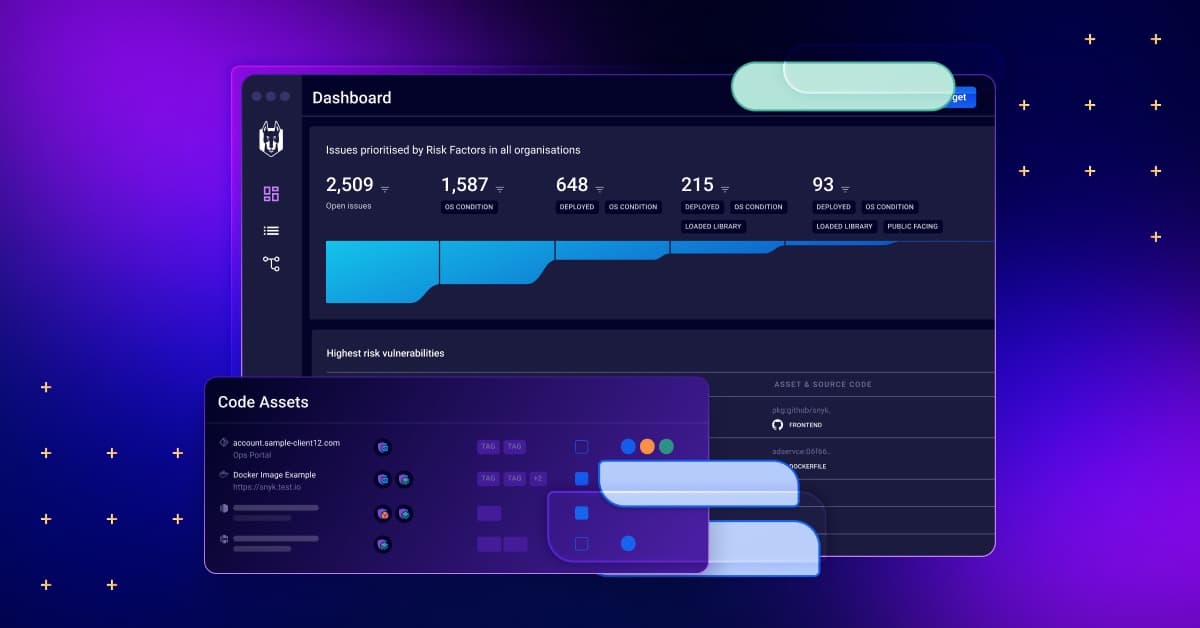
Snyk isn’t a single tool. It’s actually a platform with several products working together. Each one targets a specific part of your codebase.
Snyk Code performs static application security testing (SAST). It scans your source code in real time as you write it. The tool catches security issues before they ever reach production. What makes it different from traditional SAST tools? Speed. Snyk Code returns results in seconds, not hours.
Snyk Open Source handles software composition analysis (SCA). Most modern applications use dozens or hundreds of open source packages. Each package brings potential vulnerabilities. Snyk Open Source tracks these dependencies and alerts you when problems appear.
Snyk Container scans your container images for vulnerabilities. Containers have become the standard way to package and deploy applications. But container images inherit vulnerabilities from their base images. Snyk Container helps you find and fix these issues.
Snyk Infrastructure as Code catches misconfigurations in your cloud setup. Teams define infrastructure using tools like Terraform, CloudFormation, and Kubernetes manifests. Mistakes in these files can expose your systems. Snyk IaC finds these problems before deployment.
How Snyk Fits Developer Workflows
The biggest selling point for Snyk is how it integrates with developer tools. The platform works inside IDEs like VS Code and IntelliJ. Developers see security warnings right where they write code. No context switching required.
Snyk also plugs into Git repositories. When developers open pull requests, Snyk automatically runs scans. The results appear directly in the PR. This catches issues before code merges into the main branch.
CI/CD pipeline integration is another strength. Snyk can run as part of your build process. If it finds critical vulnerabilities, it can fail the build. This creates a security gate that blocks dangerous code from deploying.
The platform provides what Snyk calls “one-click fixes.” When it finds a vulnerability in a dependency, it often suggests an exact fix. Click the button and Snyk opens a PR with the updated package version. This removes friction from the remediation process.
Snyk’s AI Security Features
Snyk has added AI-powered capabilities to its platform. These features help secure AI-generated code. As developers use tools like GitHub Copilot and ChatGPT, they introduce new risks. AI assistants can suggest code with security flaws.
Snyk’s AI features scan this generated code just like human-written code. The platform doesn’t care where the code came from. It checks for the same vulnerabilities either way.
The company has also improved its prioritization using AI. Security teams often face thousands of alerts. Not all vulnerabilities matter equally. Snyk uses factors like exploitability, EPSS scores, and reachability to rank issues. This helps teams focus on what actually puts them at risk.
Understanding What Legit Security Does
Legit Security approaches application security from a different direction. While Snyk focuses on scanning code and dependencies, Legit looks at the bigger picture. The platform concentrates on software supply chain security and development environment protection.
Software Supply Chain Focus
Modern software development involves much more than just code. Teams use dozens of tools to build, test, and deploy applications. They pull in code from multiple sources. They rely on CI/CD systems that have their own security risks.
Legit Security maps out this entire ecosystem. It discovers all the tools, pipelines, and repositories your teams use. Then it identifies security gaps across this landscape.
Think about it this way. A hacker doesn’t need to find a bug in your code. They might compromise your build system instead. Or they might poison a dependency before you even download it. Legit Security watches for these supply chain attacks.
Development Environment Security
Your development environment itself can be an attack vector. Legit Security monitors things like:
- Who has access to your source code repositories
- How your CI/CD pipelines are configured
- Whether secrets are properly protected
- If branch protection rules are in place
- How code signing and verification work
These controls matter. A misconfigured Jenkins server or an overly permissive GitHub organization can lead to breaches. Legit Security finds these weaknesses before attackers do.
Application Security Posture Management
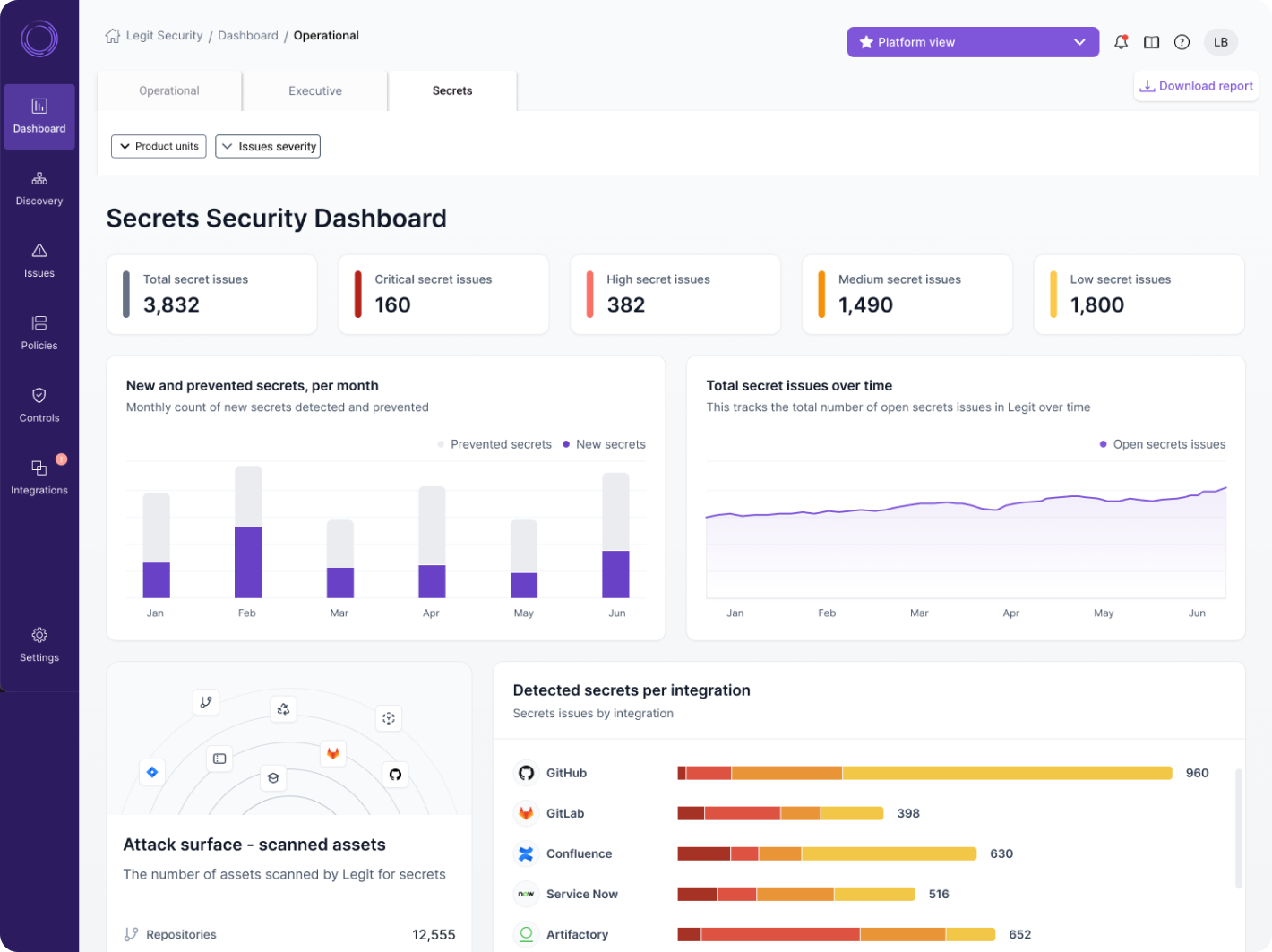
Legit Security positions itself as an Application Security Posture Management (ASPM) platform. ASPM is about understanding your overall security state across all applications and tools.
The platform provides visibility into your entire application portfolio. How many repos do you have? Which ones have security scanning enabled? Which pipelines lack proper controls? Legit answers these questions.
This visibility helps security teams govern development at scale. When you have hundreds of applications and thousands of developers, you can’t manually check everything. Legit automates this oversight.
Risk Prioritization and Context
Legit Security also helps with prioritization. But its approach differs from traditional scanners. It looks at business context, not just technical severity.
Is this application customer-facing? Does it handle sensitive data? How many users depend on it? These factors change how you should prioritize fixes. Legit Security incorporates this context into its risk scoring.
Key Differences Between Snyk and Legit Security
Now that you understand what each tool does, let’s look at where they differ. These platforms aren’t direct competitors in many ways. They solve related but different problems.
Primary Focus Area
Snyk focuses on finding vulnerabilities in code and its components. It’s a scanning tool at heart. The platform answers questions like: Does this code have bugs? Are these dependencies safe? Is this container image secure?
Legit Security focuses on the development process and environment. It answers different questions: Is our SDLC secure? Are our pipelines protected? Do we have visibility into all our development assets?
| Aspect | Snyk | Legit Security |
|---|---|---|
| Primary Focus | Code and dependency scanning | Software supply chain and SDLC security |
| Main Users | Developers and AppSec teams | Security teams and compliance officers |
| Key Strength | Developer workflow integration | End-to-end visibility |
| Scanning Type | SAST, SCA, Container, IaC | ASPM, pipeline security, posture management |
| Where It Fits | Early in development (shift left) | Across the entire SDLC |
User Personas
Who actually uses these tools day to day? This matters for adoption and value.
Snyk is built for developers first. Engineers interact with it constantly. They see alerts in their IDEs. They review Snyk findings in pull requests. They click buttons to fix vulnerabilities. Security teams use Snyk too, but developers are the primary users.
Legit Security targets security teams and leadership. It gives them visibility they couldn’t get otherwise. Developers might not interact with Legit directly. But they benefit from the policies and governance it enables.
Integration Points
Both platforms integrate with development tools. But they connect in different places and for different reasons.
Snyk integrates at the code level. It hooks into IDEs, source control, package managers, and CI/CD pipelines. Every integration is about scanning code and helping developers fix issues faster.
Legit Security integrates at the platform level. It connects to GitHub organizations, GitLab instances, Jenkins servers, and cloud providers. These connections let it discover and monitor your entire development infrastructure.
Comparing Scanning Capabilities
Scanning is where Snyk really shines. Let’s break down its capabilities and see how Legit Security compares.
Static Application Security Testing (SAST)
Snyk Code is a full SAST solution. It analyzes source code to find security vulnerabilities. The tool supports major languages including JavaScript, Python, Java, Go, C#, and more.
What sets Snyk Code apart from older SAST tools:
- Speed: Results come back in seconds, not hours
- Accuracy: Lower false positive rates than traditional tools
- Developer experience: Findings appear inline in IDEs
- Fix guidance: Each finding includes remediation advice
Legit Security doesn’t provide SAST scanning itself. Instead, it can aggregate results from SAST tools you already use. This includes pulling in findings from Snyk, Checkmarx, SonarQube, and others.
Software Composition Analysis (SCA)
Snyk Open Source is the company’s SCA offering. It tracks open source dependencies and their vulnerabilities. The tool monitors multiple package ecosystems: npm, PyPI, Maven, NuGet, and others.
Key features of Snyk Open Source:
- Automatic fix PRs for vulnerable packages
- License compliance checking
- Transitive dependency analysis
- Vulnerability database with proprietary research
Legit Security can consume SCA results from tools like Snyk. It doesn’t perform primary SCA scanning. But it can correlate SCA findings with other security data for better prioritization.
Container Security
Snyk Container scans container images for vulnerabilities. It works with Docker, Kubernetes, and various container registries. The tool identifies issues in base images and installed packages.
Container scanning is especially valuable because images often contain outdated or vulnerable components. A single base image might have dozens of fixable vulnerabilities. Snyk Container recommends better base images that reduce your attack surface.
Legit Security doesn’t scan containers directly. But it does monitor container registries and deployment pipelines. This helps ensure containers go through proper security checks before deployment.
Infrastructure as Code Scanning
Snyk IaC scans Terraform, CloudFormation, Kubernetes manifests, and ARM templates. It catches misconfigurations that could expose your infrastructure.
Common issues Snyk IaC finds:
- S3 buckets configured as public
- Security groups allowing unrestricted access
- Databases lacking encryption
- Missing network policies in Kubernetes
- Hardcoded secrets in configuration files
Legit Security monitors how IaC scanning is implemented across your organization. It can tell you which repositories have IaC scanning enabled and which don’t. This governance layer complements the actual scanning that tools like Snyk provide.
Comparing Supply Chain Security Features
Software supply chain security has become a top priority for enterprises. The SolarWinds and Log4j incidents showed how dangerous supply chain attacks can be. Both Snyk and Legit Security address this space, but differently.
Dependency Risk Management
Snyk approaches supply chain security through dependency scanning. It identifies vulnerable packages and helps you update them. The tool also checks license compliance for open source components.
Snyk’s vulnerability database is a key asset here. The company employs security researchers who discover new vulnerabilities. This proprietary intelligence means Snyk often knows about issues before public disclosure.
Legit Security takes a broader view of supply chain risk. It looks beyond just dependencies to the entire delivery pipeline. Who can push code? How are packages signed? Are build systems properly isolated?
Pipeline Security
This is where Legit Security differentiates itself. CI/CD pipelines are high-value targets for attackers. A compromised pipeline can inject malicious code into every build.
Legit Security monitors pipeline configurations for security weaknesses:
- Are pipeline secrets properly encrypted?
- Do pipelines have excessive permissions?
- Can untrusted code trigger pipeline runs?
- Are build artifacts signed and verified?
Snyk doesn’t focus on pipeline security as a primary feature. It runs within pipelines to scan code. But it doesn’t analyze whether the pipeline itself is secure.
SBOM Generation and Management
Software Bill of Materials (SBOM) has become a compliance requirement in many industries. Both platforms can help with SBOM, but in different ways.
Snyk generates SBOMs through its scanning capabilities. When it analyzes your dependencies, it can export that information in standard formats like CycloneDX and SPDX.
Legit Security can aggregate SBOM data across your entire application portfolio. It provides a centralized view of all components used across all applications. This helps with compliance reporting and incident response.
Code Provenance and Integrity
Legit Security pays special attention to code provenance. Where did this code come from? Has it been tampered with? Can you trust it?
The platform monitors for:
- Commits from unverified identities
- Code pushed without proper review
- Changes to sensitive files like pipeline configs
- Bypass of branch protection rules
Snyk focuses less on provenance. Its job is to analyze code that already exists, regardless of where it came from.
Developer Experience Compared
Tools only work if people use them. Developer experience can make or break a security tool’s effectiveness.
IDE Integration
Snyk leads in IDE integration. The company offers extensions for:
- Visual Studio Code
- IntelliJ IDEA and JetBrains IDEs
- Visual Studio
- Eclipse
These extensions scan code as developers write it. Security warnings appear inline, just like syntax errors. Developers can fix issues without leaving their editor.
Legit Security doesn’t have IDE plugins. Its focus is further upstream, on security governance rather than individual coding sessions.
Pull Request Integration
Both platforms can integrate with pull requests, but they show different information.
Snyk adds comments to PRs showing new vulnerabilities introduced. It can block merges if critical issues exist. Most importantly, it suggests specific fixes that developers can apply directly.
Legit Security might add context about the repository’s security posture. It can enforce policies like requiring code review or proper testing. But it doesn’t comment on code-level vulnerabilities.
Fixing Vulnerabilities
Snyk’s “one-click fix” feature is a major differentiator. When it finds a vulnerable dependency, the platform often knows exactly how to fix it. Click a button and Snyk opens a PR with the updated package version.
This dramatically reduces the effort needed to remediate issues. Developers don’t need to research fix versions themselves. They don’t need to test compatibility manually. Snyk handles the tedious work.
Legit Security doesn’t provide automatic fixes. It surfaces issues and provides context. But remediation happens in other tools.
Learning Curve
Snyk is relatively easy for developers to adopt. The interface is intuitive. The IDE plugins feel natural. Most developers can start using Snyk productively within a day.
Legit Security has a different learning curve. It’s aimed at security professionals who need to understand complex development environments. Setting up and configuring the platform requires more upfront investment.
Security Team Features Compared
While developer experience matters, security teams have their own requirements. Let’s look at how these tools serve security professionals.
Visibility and Reporting
Legit Security excels at giving security teams visibility across the organization. The platform discovers all development assets automatically. It shows which applications exist, who owns them, and what security controls are in place.
This bird’s-eye view helps security teams answer questions like:
- How many applications do we have?
- Which repositories lack security scanning?
- Are all pipelines following security standards?
- Where are our biggest risks concentrated?
Snyk provides reporting focused on vulnerabilities. You can see which issues exist across your codebase. The dashboard shows trends over time. But Snyk doesn’t provide the same infrastructure-level visibility that Legit offers.
Policy Enforcement
Both platforms support policy enforcement, but at different levels.
Snyk lets you set policies about vulnerability severity. You can configure builds to fail if critical issues are found. You can require certain issues to be fixed before deployment.
Legit Security enables policies about the development process itself:
- All repositories must have branch protection enabled
- All code must go through security scanning
- All pipelines must use approved templates
- All commits must come from verified identities
These governance policies help organizations meet compliance requirements and security standards.
Risk Prioritization
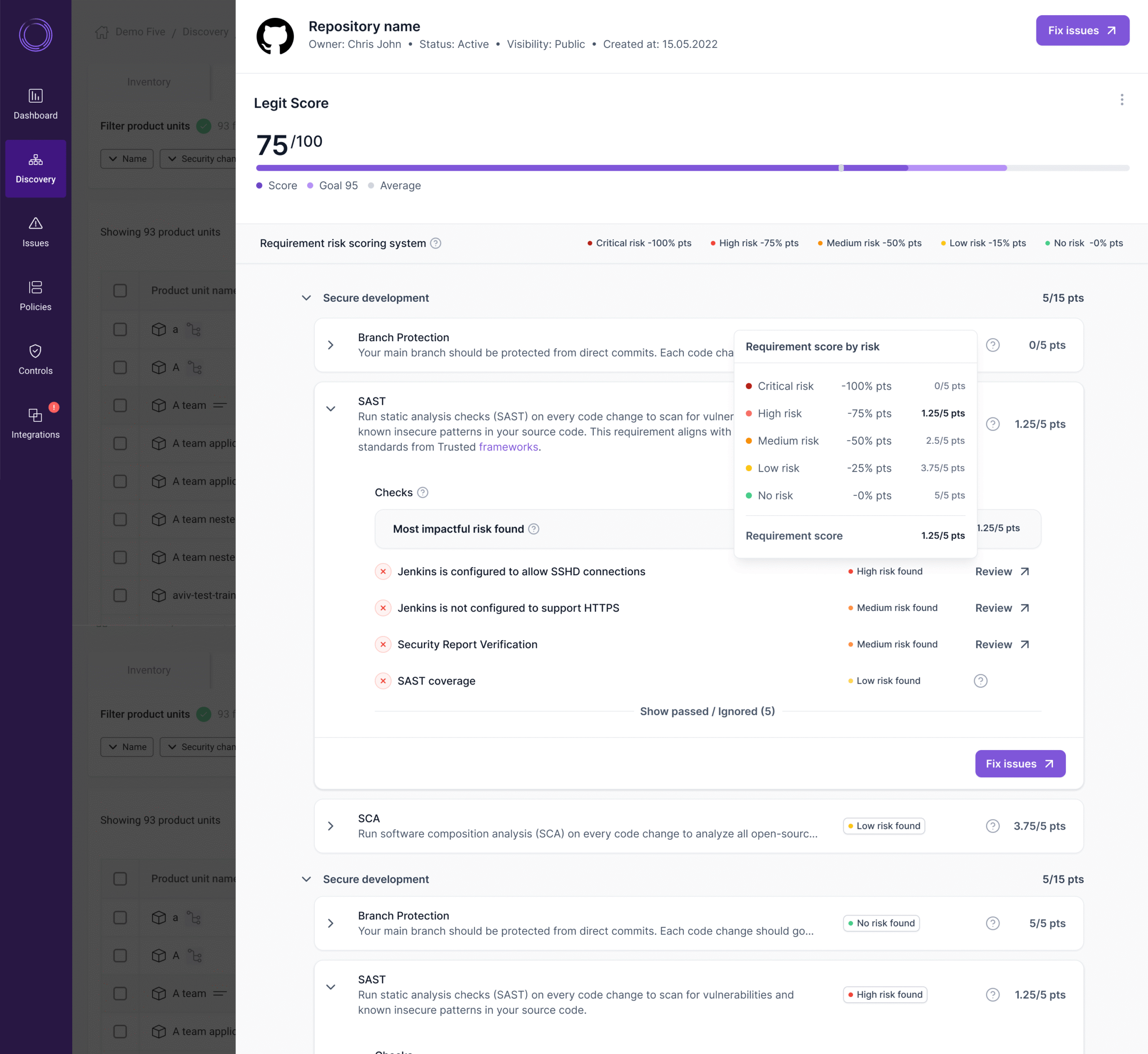
Both platforms help prioritize what to fix first. But they use different signals.
Snyk prioritizes using factors like:
- Vulnerability severity (CVSS scores)
- Exploitability (Is there a known exploit?)
- EPSS scores (Probability of exploitation)
- Reachability (Can the vulnerable code actually run?)
- Fix availability (Is there a patch?)
Legit Security adds business context to prioritization:
- Application criticality
- Data sensitivity
- Exposure (internal vs. external)
- Compliance requirements
The best results often come from combining both types of signals.
Compliance Support
Compliance is a growing concern for security teams. Regulations like SOC 2, FedRAMP, and various industry standards require security controls.
Legit Security maps its findings to compliance frameworks. It can show which controls you’re meeting and where gaps exist. This helps with audit preparation and ongoing compliance monitoring.
Snyk supports compliance through its scanning capabilities. Catching vulnerabilities and maintaining SBOMs are compliance requirements in many frameworks. But Snyk doesn’t provide the same compliance mapping features as Legit.
Integration Ecosystem
Modern development involves dozens of tools. How well do Snyk and Legit Security integrate with your existing stack?
Source Control Integration
| Platform | Snyk | Legit Security |
|---|---|---|
| GitHub | Yes | Yes |
| GitLab | Yes | Yes |
| Bitbucket | Yes | Yes |
| Azure DevOps | Yes | Yes |
| Self-hosted Git | Limited | Yes |
Both platforms integrate with major source control systems. Snyk’s integration is focused on scanning code in repositories. Legit Security’s integration is about monitoring repository configurations and access controls.
CI/CD Integration
| Platform | Snyk | Legit Security |
|---|---|---|
| GitHub Actions | Yes | Yes |
| Jenkins | Yes | Yes |
| CircleCI | Yes | Yes |
| GitLab CI | Yes | Yes |
| Azure Pipelines | Yes | Yes |
| TeamCity | Yes | Yes |
Snyk runs inside CI/CD pipelines as a scanning step. Legit Security monitors CI/CD systems for configuration issues and security gaps.
Cloud Provider Integration
Both platforms connect to major cloud providers like AWS, Azure, and Google Cloud. Snyk uses these connections primarily for container registry scanning and IaC context. Legit Security monitors cloud-based development resources and their security configurations.
Issue Tracking Integration
Snyk integrates with issue trackers like Jira, GitHub Issues, and Azure Boards. When it finds vulnerabilities, it can automatically create tickets for developers to fix them.
Legit Security also integrates with issue trackers. It can create tickets for security findings and policy violations discovered during its monitoring.
SIEM and SOAR Integration
Security teams often want to correlate application security data with other security events. Both platforms can send data to SIEM systems like Splunk and Sentinel. This enables broader security monitoring and incident response.
Pricing and Licensing
Pricing for both platforms varies based on usage and features. Neither company publishes simple price lists, so you’ll need to contact sales for exact quotes.
Snyk Pricing Model
Snyk offers several tiers:
- Free tier: Limited scanning for individuals and small projects
- Team tier: Full features for small teams with usage limits
- Enterprise tier: Unlimited usage with enterprise features
Pricing typically scales based on the number of developers and projects. Some features like SAST may cost extra. Enterprise customers negotiate custom agreements.
Legit Security Pricing Model
Legit Security targets enterprises primarily. Pricing is based on the scope of your development environment. Factors that affect cost include:
- Number of developers
- Number of applications and repositories
- Features and modules selected
- Support and service level agreements
Total Cost of Ownership
When comparing costs, consider more than just license fees. Think about:
- Implementation effort: How long to set up and configure?
- Training requirements: How much learning is needed?
- Operational overhead: How much ongoing management?
- Integration work: Do you need custom integration development?
Snyk tends to be faster to implement for developers. Legit Security requires more upfront work to map your development environment.
Use Cases and Best Fit Scenarios
Different organizations have different needs. Let’s look at which tool fits better for various situations.
When Snyk is the Better Choice
Developer-led security programs: If your goal is to empower developers to find and fix security issues, Snyk is built for this. Its developer experience is hard to beat.
Shift-left initiatives: Snyk catches vulnerabilities early in development. If you want to find issues before they reach production, Snyk delivers.
Open source heavy codebases: If you use lots of open source dependencies, Snyk’s SCA capabilities are excellent. The automatic fix PRs save significant time.
Container and Kubernetes environments: Snyk Container and IaC products address modern infrastructure security well.
Organizations new to AppSec: Snyk is often the first AppSec tool teams adopt. It’s relatively easy to start with and shows quick value.
When Legit Security is the Better Choice
Supply chain security focus: If you’re worried about software supply chain attacks, Legit Security addresses this directly. It monitors your entire development infrastructure.
Large, complex environments: Organizations with hundreds of repositories and multiple development teams benefit from Legit’s visibility. It shows what you have and where risks exist.
Compliance requirements: If you face audits or compliance mandates, Legit Security’s governance features help. It demonstrates controls are in place.
Security team oversight: If security teams need to govern development without slowing it down, Legit provides the visibility they need.
Existing scanning tools: If you already have scanning tools in place, Legit Security can aggregate their results. It adds value on top of existing investments.
When You Need Both
Here’s something interesting: Snyk and Legit Security have actually partnered together. They see their tools as complementary rather than competing.
The partnership makes sense. Snyk provides the scanning that finds vulnerabilities. Legit Security provides the visibility and governance that ensures scanning happens everywhere.
Organizations with mature security programs often use both types of tools. Scanning tools find specific issues. ASPM tools ensure consistent coverage and governance.
Real-World Implementation Considerations
Let’s talk about what it actually takes to implement these tools successfully.
Implementing Snyk
Starting point: Most teams start with one Snyk product and expand. Open Source (SCA) is often first because it shows immediate value with minimal friction.
Rollout approach: Start with a few pilot teams. Let them prove value before expanding. Forcing Snyk on unwilling developers rarely works well.
Success metrics: Track vulnerability counts over time. Monitor fix rates. Measure how quickly teams address new issues.
Common challenges:
- Alert fatigue if you enable too many checks at once
- Resistance from developers who see it as slowing them down
- Difficulty prioritizing thousands of findings
Best practices:
- Start with high-severity issues only
- Enable automatic fix PRs to reduce developer burden
- Integrate into existing workflows rather than creating new ones
- Celebrate wins when teams fix vulnerabilities
Implementing Legit Security
Starting point: Begin with discovery. Connect Legit Security to your development platforms and let it map your environment.
Rollout approach: The platform needs broad access to provide value. Unlike Snyk, which can start small, Legit Security works better with organization-wide visibility from the start.
Success metrics: Track coverage of security controls. Monitor policy compliance rates. Measure improvement in security posture over time.
Common challenges:
- Getting permission to connect to all development systems
- Understanding and acting on findings
- Coordinating remediation across multiple teams
Best practices:
- Get executive support before starting
- Work with platform teams to gain access
- Focus on high-impact issues first
- Create clear ownership for remediation
Running Both Together
If you implement both tools, coordinate their use:
- Use Legit Security to ensure Snyk is deployed consistently
- Feed Snyk findings into Legit Security for centralized visibility
- Let Legit Security add business context to Snyk’s technical findings
- Use Legit Security for governance, Snyk for developer workflows
The combination provides defense in depth. Snyk catches code-level issues. Legit Security catches process and infrastructure issues. Together, they cover more ground than either alone.
Market Position and Company Background
Understanding who’s behind these tools helps evaluate their long-term viability.
About Snyk
Snyk was founded in 2015 and has grown rapidly. The company has raised significant venture funding and reached unicorn status. It’s one of the best-known names in developer security.
Snyk has continuously expanded its platform. What started as an open source dependency scanner now covers SAST, containers, IaC, and more. The company invests heavily in R&D.
The Snyk Vulnerability Database is a key differentiator. The company employs security researchers who find and document vulnerabilities. This proprietary intelligence powers their scanning accuracy.
About Legit Security
Legit Security is a newer company in the ASPM space. It was founded by security veterans who saw gaps in how organizations secure their development environments.
The company focuses specifically on software supply chain and SDLC security. This focused approach means deep expertise in a specific problem area.
Legit Security has gained traction among enterprises concerned about supply chain attacks. The SolarWinds breach and similar incidents have driven demand for this type of security.
Competitive Landscape
Both companies face competition from multiple directions:
Snyk competitors in scanning:
- Checkmarx
- Veracode
- SonarQube
- Black Duck
- Mend (formerly WhiteSource)
Legit Security competitors in ASPM:
- Apiiro
- ArmorCode
- Cycode
- OX Security
The market is evolving quickly. Traditional scanning vendors are adding ASPM features. ASPM vendors are adding more scanning. Consolidation is likely.
Future Outlook and Roadmap
Where are these tools heading in 2026 and beyond?
Snyk’s Direction
Snyk continues to expand its platform. AI security is a major focus area. As developers use AI coding assistants more, securing that AI-generated code becomes critical.
The company is also investing in ASPM capabilities. Snyk wants to provide more visibility and governance features to compete with tools like Legit Security.
Expect continued improvements in prioritization and automation. The goal is to reduce the work security teams and developers must do manually.
Legit Security’s Direction
Legit Security is deepening its supply chain security capabilities. New attack vectors keep emerging. The platform will evolve to detect and prevent these attacks.
Integration with scanning tools like Snyk will continue to improve. Legit Security doesn’t want to replace scanners. It wants to provide the governance layer on top of them.
Compliance automation is another growth area. More regulations require software security evidence. Legit Security can help organizations demonstrate compliance automatically.
Industry Trends
Several trends will affect both platforms:
- AI-generated code: Both tools must adapt to a world where AI writes significant code
- Supply chain regulation: Government mandates for SBOM and supply chain security are increasing
- Platform consolidation: Buyers prefer fewer, more integrated tools
- Developer productivity: Security tools must minimize friction or face rejection
Making the Decision: Snyk vs Legit Security
So which tool should you choose? The answer depends on your specific situation.
Questions to Ask Yourself
Before deciding, consider these questions:
- What problems are you trying to solve? Code vulnerabilities? Supply chain risks? Compliance gaps?
- Who will use the tool? Developers? Security teams? Both?
- What tools do you already have? Adding capabilities or replacing something?
- What’s your budget? Can you afford enterprise tools?
- How mature is your security program? Starting out or optimizing?
Decision Framework
| If You Need… | Consider… |
|---|---|
| Code and dependency scanning | Snyk |
| Developer workflow integration | Snyk |
| Automatic vulnerability fixes | Snyk |
| Supply chain visibility | Legit Security |
| Pipeline security monitoring | Legit Security |
| Security governance at scale | Legit Security |
| Compliance automation | Legit Security |
| Complete coverage | Both together |
A Practical Recommendation
For most organizations, here’s a reasonable approach:
If you’re just starting with AppSec: Begin with Snyk. Get developers scanning code and fixing vulnerabilities. This builds a security foundation.
As you mature: Add Legit Security to provide visibility and governance. Ensure security controls are applied consistently across your organization.
If supply chain is your primary concern: Start with Legit Security for visibility. Then add scanning tools like Snyk based on what you discover.
Remember, these tools work better together than in isolation. The partnership between Snyk and Legit Security reflects this reality. Many organizations will benefit from using both.
Conclusion
Snyk and Legit Security both strengthen application security, but they solve different problems. Snyk excels at finding and fixing vulnerabilities in code, dependencies, and infrastructure. Legit Security provides visibility and governance across your entire software development environment. For many organizations, the best approach isn’t choosing one over the other. Using both tools together delivers comprehensive security coverage. Evaluate your specific needs, consider where your biggest risks lie, and choose the tools that address those risks most effectively.
Frequently Asked Questions About Snyk vs Legit Security
| What’s the main difference between Snyk and Legit Security? | Snyk focuses on scanning code, dependencies, containers, and infrastructure as code for vulnerabilities. Legit Security focuses on software supply chain security and development environment governance. Snyk finds vulnerabilities in your code. Legit Security ensures your development process is secure. |
| Can Snyk and Legit Security work together? | Yes, Snyk and Legit Security have partnered together. They see their tools as complementary. Snyk provides scanning capabilities. Legit Security provides visibility and governance. Many organizations use both tools together for comprehensive security coverage. |
| Which tool is better for developers? | Snyk is designed with developers in mind. It integrates directly into IDEs, provides real-time feedback, and offers one-click fixes. Developers interact with Snyk daily. Legit Security targets security teams more than individual developers. |
| Which tool helps more with compliance? | Legit Security provides stronger compliance features. It maps findings to compliance frameworks and helps demonstrate security controls are in place. Snyk supports compliance through vulnerability scanning and SBOM generation, but it doesn’t have the same compliance mapping features. |
| Do I need both tools or can I choose just one? | It depends on your needs. If your primary concern is finding code vulnerabilities, Snyk alone may be sufficient. If you need to secure your entire development environment and demonstrate governance, Legit Security is important. Mature security programs often use both types of tools. |
| Which tool is easier to implement? | Snyk is typically faster to implement for developers. You can start scanning code within hours. Legit Security requires more upfront work to connect to all your development platforms and map your environment. It provides broader visibility but needs broader access. |
| How do these tools handle AI-generated code? | Snyk scans AI-generated code the same way it scans human-written code. It catches vulnerabilities regardless of how the code was created. Legit Security monitors the development environment where AI tools are used but doesn’t scan the code itself. |
| What types of scanning does Snyk offer that Legit Security doesn’t? | Snyk offers SAST (static code analysis), SCA (software composition analysis), container scanning, and infrastructure as code scanning. Legit Security doesn’t perform primary code scanning. It aggregates results from scanning tools like Snyk. |
| Which tool is better for software supply chain security? | Legit Security is more focused on supply chain security. It monitors CI/CD pipelines, code provenance, and development infrastructure. Snyk addresses supply chain risk through dependency scanning but doesn’t monitor the broader development environment. |
| What should I evaluate first when comparing Snyk vs Legit Security? | Start by defining your primary security problems. If you need to find and fix code vulnerabilities, evaluate Snyk first. If you need visibility into your development environment and supply chain risks, start with Legit Security. Consider your team’s maturity and existing tools as well. |

 Stack Insight is intended to support informed decision-making by providing independent information about business software and services. Some product details, including pricing, features, and promotional offers, may be supplied by vendors or partners and can change without notice.