
Snyk vs Cycode: Complete Comparison Guide for Application Security in 2026
Picking the right application security tool can feel overwhelming. The market is packed with options, and choosing wrong means wasted budget, frustrated developers, and gaps in your security posture. Two platforms that come up often in these conversations are Snyk and Cycode.
Both tools promise to secure your code and catch vulnerabilities before they become problems. But they approach the challenge differently. Snyk built its reputation on developer-friendly open-source scanning. Cycode takes a broader view, covering the entire software development lifecycle with what they call an AI-Native Application Security Platform.
This comparison breaks down everything you need to know. We’ll look at features, pricing approaches, scanning capabilities, integrations, and real-world use cases. By the end, you’ll have a clear picture of which tool fits your organization’s needs. Let’s dig in.
Understanding the Application Security Landscape
Application security has changed a lot in recent years. Teams don’t just scan code once before release anymore. Modern development moves fast. CI/CD pipelines push code multiple times a day. Containers and microservices add complexity.
Security tools had to evolve. The old approach of running scans weekly or monthly doesn’t cut it. Developers need feedback in real-time, right in their workflows.
Why Tool Consolidation Matters
Here’s a telling stat: 88% of security leaders say they’ll consolidate their tools to an Application Security Posture Management (ASPM) platform. That’s not a random trend. Teams are tired of juggling multiple dashboards, correlating findings manually, and dealing with alert fatigue.
Both Snyk and Cycode recognized this shift. They’ve expanded beyond single-purpose scanning into broader platforms. But their approaches differ in meaningful ways.
The Core Security Categories
Before comparing these tools directly, let’s clarify the main security testing types:
- SAST (Static Application Security Testing) – Scans source code for vulnerabilities without running the application
- SCA (Software Composition Analysis) – Identifies vulnerabilities in open-source dependencies and third-party libraries
- Secrets Detection – Finds exposed API keys, passwords, and credentials in code
- IaC Security – Scans infrastructure as code templates for misconfigurations
- Container Security – Analyzes container images for vulnerabilities
- ASPM – Provides unified visibility and prioritization across all security findings
Both Snyk and Cycode cover these categories. The difference is in depth, accuracy, and how they tie everything together.
Snyk Overview: The Developer-First Approach
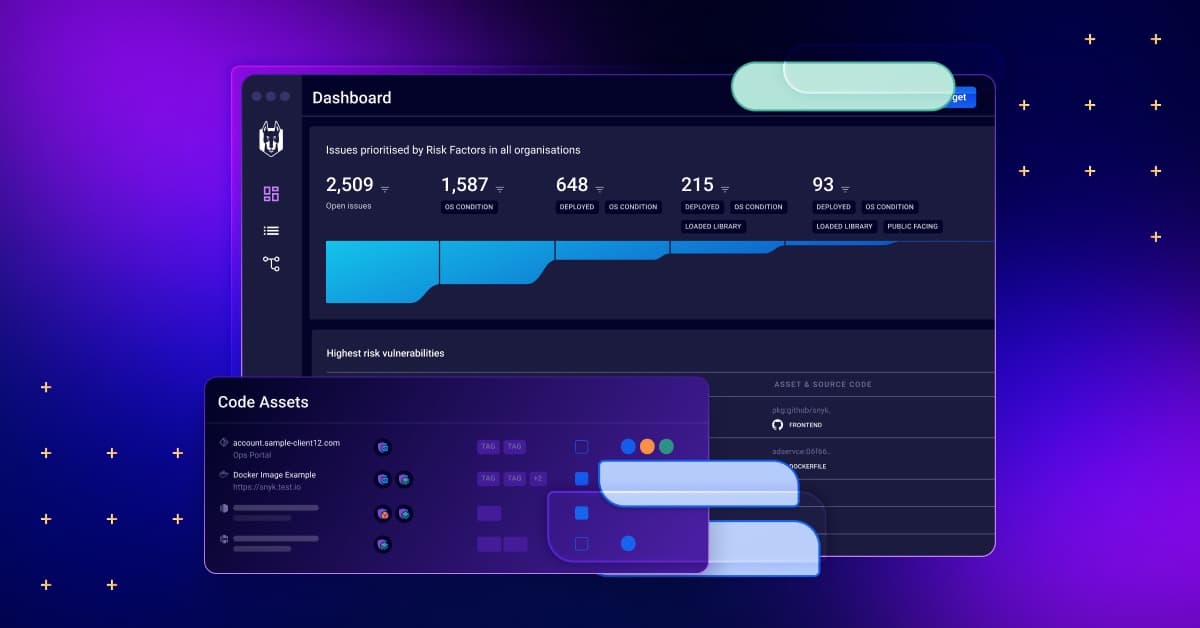
Snyk started in 2015 with a clear mission: make security easy for developers. The company recognized that security tools often created friction. Developers saw them as obstacles rather than helpers.
Snyk flipped that script. They built tools that fit naturally into developer workflows. IDE plugins, CLI tools, GitHub integrations, all designed to catch issues where developers already work.
Snyk’s Core Strengths
Open-source scanning excellence. Snyk built its reputation on SCA. Their vulnerability database is one of the most comprehensive in the industry. They don’t just flag issues either. Snyk provides fix recommendations and can even submit pull requests automatically.
Developer experience. The Snyk interface feels modern and intuitive. Developers don’t need security expertise to understand findings. Each issue comes with clear explanations, severity ratings, and remediation guidance.
Broad integration ecosystem. Snyk connects with virtually every development tool. GitHub, GitLab, Bitbucket, Jenkins, CircleCI, Azure DevOps, the list goes on. This flexibility means teams can add Snyk without changing their existing workflows.
Snyk Product Suite
Over the years, Snyk expanded from pure SCA into a full platform:
| Product | Function | Key Features |
|---|---|---|
| Snyk Open Source | SCA scanning | Dependency scanning, license compliance, automatic fix PRs |
| Snyk Code | SAST scanning | Real-time code analysis, IDE integration, AI-powered fixes |
| Snyk Container | Container security | Image scanning, base image recommendations, runtime monitoring |
| Snyk IaC | Infrastructure as code | Terraform, CloudFormation, Kubernetes scanning |
| Snyk AppRisk | ASPM capabilities | Asset discovery, risk prioritization, coverage gaps |
Where Snyk Falls Short
Snyk excels at what it does, but gaps exist. The platform grew through acquisition and product additions. Some users report that the experience feels fragmented. Different products have different interfaces and don’t always connect smoothly.
Full lifecycle coverage is another concern. Snyk focuses heavily on the code and build stages. Visibility into CI/CD pipeline security and software supply chain risks isn’t as strong as some alternatives.
According to comparison data from industry analysts, Snyk has a rating of 4.4 stars with 236 reviews on Gartner’s platform. That’s solid, but the reviews highlight both strengths and limitations we’ll explore throughout this comparison.
Cycode Overview: Complete SDLC Protection
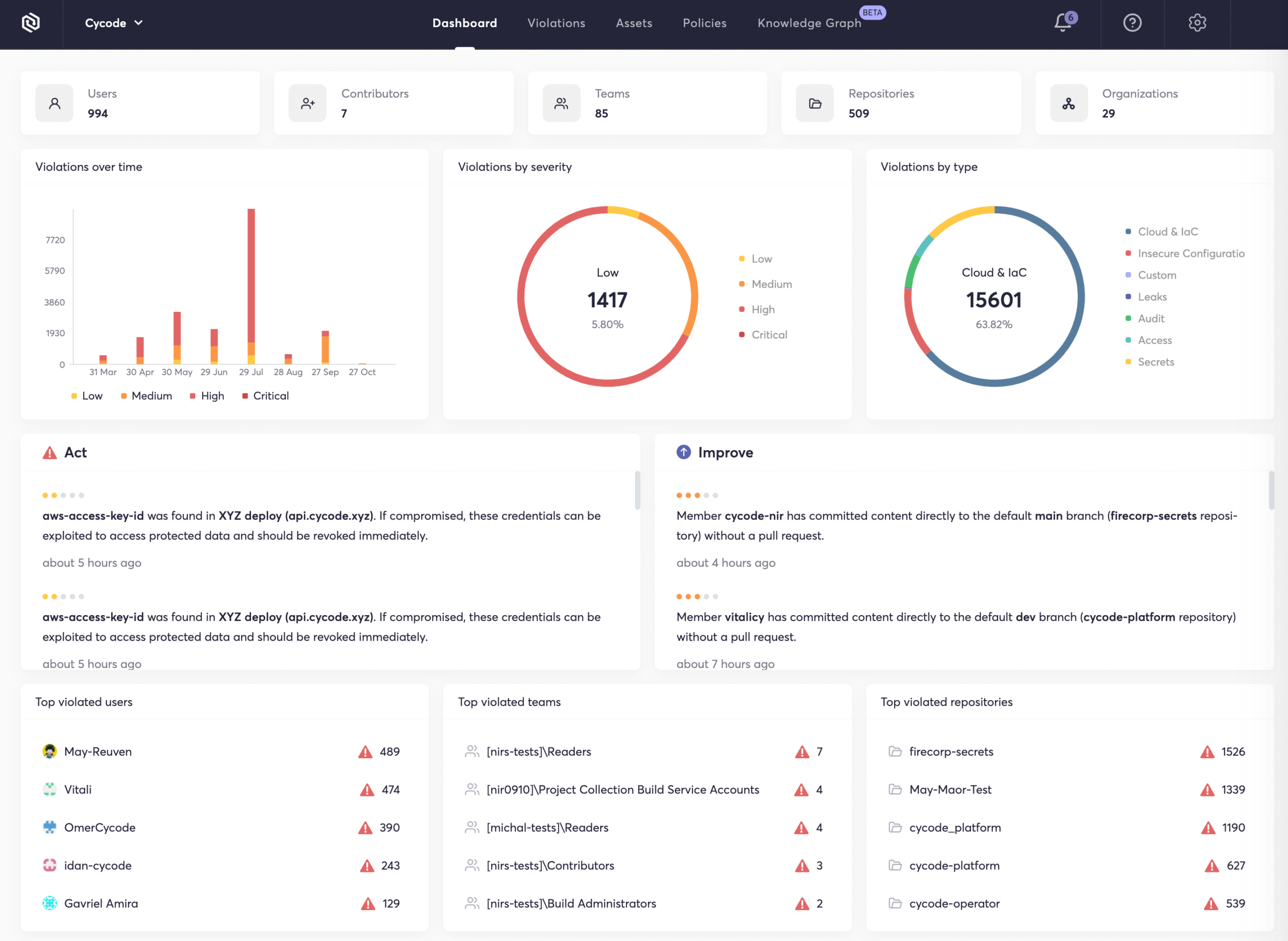
Cycode takes a different approach. Rather than starting with one scanning type and expanding, Cycode designed its platform around complete software development lifecycle protection from day one.
The company describes itself as offering an “AI-Native Application Security Platform” that combines security testing with risk intelligence and automated remediation.
Cycode’s Core Philosophy
Cycode believes security tools fail when they operate in silos. A SAST scanner might find an issue. An SCA scanner might find another. But without context, security teams can’t prioritize effectively.
Cycode’s platform connects findings across all scanning types. It maps vulnerabilities to actual risk by considering factors like:
- Is the vulnerable code actually reachable?
- Is it deployed in production?
- Who owns this code?
- What’s the exposure path?
This context changes everything. Instead of thousands of findings with no clear priority, teams get actionable guidance on what to fix first.
Cycode’s Platform Capabilities
Cycode combines multiple security functions into a single platform:
- Native SAST – Static analysis for custom code vulnerabilities
- Software Composition Analysis – Open-source dependency scanning
- Secrets Detection – Finding exposed credentials across repositories
- IaC Security – Infrastructure as code scanning
- CI/CD Security – Pipeline configuration analysis
- Code Leak Detection – Monitoring for code exposure outside the organization
- ASPM – Unified visibility with third-party integrations
The platform also includes what Cycode calls “deep risk intelligence” with exposure path analysis and owner mapping. These features help teams understand not just what’s vulnerable, but why it matters.
Market Position and Reviews
According to PeerSpot data, Cycode is ranked #9 in Application Security Posture Management (ASPM), #10 in Software Supply Chain Security, and #17 in Software Composition Analysis. The platform holds a 4-star rating on Gartner’s review platform.
An interesting detail: 58% of users researching Cycode come from large enterprises. The top industry exploring the solution is manufacturing at 23%. This suggests Cycode appeals to organizations with complex security needs and larger development teams.
SAST Capabilities: Snyk Code vs Cycode Static Analysis
Static Application Security Testing forms the foundation of code security. Both platforms offer SAST, but with different approaches and strengths.
Snyk Code: AI-Powered Analysis
Snyk Code uses machine learning to analyze source code. The system trains on millions of code samples and security issues. This approach offers some advantages:
Speed. Snyk Code runs fast. Real-time scanning in IDEs provides instant feedback as developers write code. No waiting for lengthy analysis.
Low false positives. The ML approach helps Snyk Code understand code context better than rule-based systems. This reduces noise from false alarms.
Fix suggestions. Beyond finding issues, Snyk Code suggests specific fixes. Developers see exactly what to change, not just that something is wrong.
Language support covers popular options including JavaScript, TypeScript, Python, Java, Go, and more. IDE plugins for VS Code, IntelliJ, and other editors provide in-line feedback.
Cycode SAST: Comprehensive Scanning
Cycode’s SAST capabilities focus on accuracy and context. The platform connects static analysis findings with other security data for better prioritization.
Risk context. Cycode doesn’t just report vulnerabilities. It shows whether the vulnerable code path is actually reachable. An issue in unused code matters less than one in a hot path handling user input.
Owner mapping. When Cycode finds an issue, it identifies who owns that code. This speeds up remediation by routing findings to the right team automatically.
Combined analysis. SAST findings correlate with SCA, secrets, and other scan types. A vulnerability becomes more serious if it’s in code that also has exposed secrets or vulnerable dependencies.
SAST Comparison Table
| Feature | Snyk Code | Cycode SAST |
|---|---|---|
| Analysis Approach | Machine learning-based | Rule-based with AI enrichment |
| Scan Speed | Very fast, real-time capable | Fast, optimized for pipelines |
| IDE Integration | Extensive (VS Code, IntelliJ, etc.) | Available for major IDEs |
| Fix Suggestions | AI-generated fixes | Remediation guidance with context |
| Risk Prioritization | Severity-based | Risk-based with reachability analysis |
| Language Support | 20+ languages | Major languages supported |
Which SAST Approach Works Better?
For pure developer experience in the IDE, Snyk Code has the edge. The real-time feedback and AI-generated fixes make it easy for developers to write secure code from the start.
For security teams focused on prioritization, Cycode’s contextual approach adds value. Knowing which issues actually matter saves time and reduces alert fatigue.
The right choice depends on your team’s priorities. Developer productivity or security team efficiency? Ideally, you want both, which is why considering the full platform matters more than any single capability.
Software Composition Analysis: Open-Source Security Compared
Modern applications rely heavily on open-source code. Some estimates suggest 80% or more of application codebases consist of third-party libraries. Securing these dependencies is essential.
Snyk Open Source: The Original Strength
SCA is where Snyk started, and it shows. Their open-source scanning remains among the best in the industry.
Vulnerability database. Snyk maintains a massive database of known vulnerabilities. They combine data from public sources like CVE with their own security research. This database updates constantly.
Automatic fix PRs. When Snyk finds a vulnerable dependency, it can automatically create a pull request with the fix. The PR upgrades to a patched version and shows the impact of the change.
License compliance. Beyond security, Snyk tracks open-source licenses. This helps legal and compliance teams ensure the organization follows license requirements.
Transitive dependency analysis. Many vulnerabilities hide in dependencies of dependencies. Snyk traces these chains and identifies issues even deep in the dependency tree.
Cycode SCA: Context-Aware Scanning
Cycode’s SCA capabilities cover the same ground but add layers of context that change how teams act on findings.
Exposure path analysis. A vulnerable library only matters if the vulnerable function is actually called. Cycode analyzes code paths to determine if the vulnerability is reachable from your application code.
Runtime correlation. Cycode can connect with runtime environments to see what’s actually deployed. A vulnerability in a dev-only dependency matters less than one in production code.
SBOM generation. Software Bills of Materials have become increasingly important for compliance and security. Cycode generates and maintains SBOMs automatically.
Supply chain visibility. Beyond just dependencies, Cycode tracks the broader software supply chain. This includes build tool security, CI/CD configurations, and package integrity.
Real-World SCA Scenario
Consider this situation: Your application uses a library that has a critical vulnerability announced. What happens next?
With Snyk: You get an alert immediately. Snyk shows the vulnerability details, affected versions, and recommended fix. If a patched version exists, Snyk can submit a PR to upgrade. The developer reviews, tests, and merges.
With Cycode: You also get an immediate alert. But Cycode adds context. Is this library used in production or just tests? Is the vulnerable function actually called? Who owns this code? What’s the blast radius if exploited? This context helps you decide if this is a drop-everything emergency or something to schedule for next sprint.
SCA Feature Comparison
| Capability | Snyk Open Source | Cycode SCA |
|---|---|---|
| Vulnerability Database | Extensive, continuously updated | Comprehensive coverage |
| Auto-Fix PRs | Yes, industry-leading | Available |
| License Scanning | Full license compliance | License detection included |
| Transitive Dependencies | Full tree analysis | Complete dependency graph |
| Reachability Analysis | Limited | Full exposure path analysis |
| SBOM Support | Yes | Yes, with full management |
| Package Manager Support | Very broad | Major ecosystems covered |
The Prioritization Problem
Here’s the challenge with SCA: most enterprise codebases have hundreds or thousands of dependencies. Many of those have known vulnerabilities. Not all vulnerabilities matter equally.
A critical CVE in a library you don’t actually use is less urgent than a medium-severity issue in code that handles user authentication. Traditional SCA tools struggle with this nuance.
Snyk addresses this somewhat with severity ratings and exploit maturity data. Cycode goes further with reachability analysis and runtime context. The difference matters a lot at scale.
Secrets Detection: Finding Exposed Credentials
Leaked secrets cause some of the worst security breaches. An exposed AWS key can lead to massive cloud bills or data theft. A leaked database password might expose customer information.
Both Snyk and Cycode include secrets detection, but with different scopes and capabilities.
Snyk Secrets Detection
Snyk added secrets scanning as part of its platform expansion. The feature integrates with Snyk’s other scanning capabilities.
Coverage: Snyk detects common secret types including API keys, tokens, passwords, and certificates. The scanner runs alongside SAST and SCA scans.
Workflow integration: Like other Snyk features, secrets findings appear in the unified dashboard. Developers can see all security issues in one place.
Prevention: Snyk can block commits containing secrets in CI/CD pipelines. This prevents secrets from entering the codebase rather than just finding them after.
Cycode Secrets Detection
Cycode treats secrets detection as a core capability rather than an add-on. The feature connects deeply with their broader supply chain security focus.
Historical scanning: Cycode scans not just current code but the entire git history. A secret committed and then deleted still exists in version control history. Cycode finds these buried secrets.
Code leak detection: Beyond internal repositories, Cycode monitors for code appearing in public locations. If your proprietary code shows up on GitHub or paste sites, Cycode alerts you.
Remediation workflows: Finding a secret is just the first step. You need to rotate the credential, remove it from code, and verify no unauthorized access occurred. Cycode provides workflows to track this process.
Validation: Not every string that looks like a secret is one. Cycode validates detected secrets to reduce false positives. This includes checking whether credentials are still active.
Secrets Detection Comparison
| Feature | Snyk | Cycode |
|---|---|---|
| Secret Types Detected | Common types covered | Extensive pattern library |
| Historical Scanning | Current code focus | Full git history analysis |
| External Leak Detection | Not included | Monitors public sources |
| Validation | Basic validation | Active credential checking |
| Remediation Tracking | Standard workflows | Full lifecycle tracking |
| Pre-commit Prevention | Yes | Yes |
Why Secrets Detection Matters More Than Ever
The rise of API-driven architectures means more secrets in more places. Microservices need to authenticate with each other. Cloud services require access keys. Third-party integrations need tokens.
Managing all these secrets is hard. Developers take shortcuts. They hardcode credentials during development and forget to remove them. They commit .env files accidentally. They push code to public repos without thinking.
A strong secrets detection capability catches these mistakes before attackers do. The difference between Snyk and Cycode here is scope. Snyk catches secrets in current code. Cycode goes broader, scanning history and monitoring for external leaks.
CI/CD and Pipeline Security
Your build pipeline is a security target. Attackers who compromise CI/CD systems can inject malicious code into every build. They can steal secrets. They can manipulate deployments.
This attack surface often gets overlooked. Teams focus on application code and forget the infrastructure that builds and deploys it.
Snyk’s Pipeline Integration
Snyk integrates deeply with CI/CD tools but focuses mainly on running scans within pipelines rather than securing the pipelines themselves.
Build integration: Snyk CLI and plugins work with Jenkins, GitHub Actions, CircleCI, Azure Pipelines, and dozens more. Running scans in CI ensures every build gets checked.
Break builds: Snyk can fail builds when security issues exceed thresholds. This creates a quality gate that prevents vulnerable code from deploying.
Developer feedback: Results flow back to developers through PR comments, dashboard notifications, and IDE updates. The feedback loop stays tight.
What Snyk doesn’t do as comprehensively is analyze the pipeline configuration itself. Are your GitHub Actions secure? Is your Jenkins configuration exposing secrets? These questions fall outside Snyk’s primary focus.
Cycode’s Pipeline Security Approach
Cycode treats CI/CD security as a first-class concern. The platform scans pipeline configurations alongside application code.
Configuration analysis: Cycode examines GitHub Actions, GitLab CI, Jenkins pipelines, and other CI/CD configurations. It finds misconfigurations that could allow attacks.
Poisoned pipeline attacks: Attackers can modify pipeline definitions to inject malicious steps. Cycode detects changes to pipeline configurations and alerts on suspicious modifications.
Dependency confusion: Build systems can be tricked into downloading malicious packages. Cycode identifies configurations vulnerable to these attacks.
Audit trails: Who changed what in your build system? Cycode maintains visibility into pipeline modifications for compliance and incident investigation.
The Supply Chain Connection
Pipeline security connects to broader software supply chain concerns. The SolarWinds attack showed how compromising build systems can have devastating consequences.
Cycode’s positioning as a software supply chain security platform means CI/CD protection integrates naturally. The platform thinks about security from code commit through production deployment.
Snyk has expanded in this direction but maintains its core focus on application-level scanning. Pipeline security is available but not as central to the platform’s design.
Infrastructure as Code Security
Modern infrastructure lives in code. Terraform templates, Kubernetes manifests, CloudFormation stacks, all define how applications run. Security issues in IaC can expose entire environments.
Snyk IaC Capabilities
Snyk IaC scans infrastructure definitions for security misconfigurations. The feature covers popular IaC formats:
- Terraform (all major cloud providers)
- CloudFormation templates
- Kubernetes YAML files
- ARM templates for Azure
- Helm charts
Policy as code: Snyk allows custom rules for organization-specific requirements. If your company mandates encryption at rest for all storage, you can enforce that through Snyk policies.
Fix guidance: Like other Snyk products, IaC scanning includes remediation advice. The tool shows not just what’s wrong but how to fix it.
Drift detection: Snyk can compare IaC definitions against actual cloud state. If someone manually changes a security group, Snyk spots the drift.
Cycode IaC Scanning
Cycode includes IaC security as part of its comprehensive platform. The approach emphasizes context and correlation.
Cross-domain correlation: An IaC misconfiguration becomes more serious when combined with application vulnerabilities. Cycode connects these dots, showing compound risks.
Ownership clarity: When Cycode finds an IaC issue, it identifies who owns that infrastructure code. Remediation assignments happen automatically.
Policy management: Cycode supports custom policies and compliance frameworks. Organizations can map their security requirements directly to automated checks.
IaC Security Comparison
| Capability | Snyk IaC | Cycode IaC |
|---|---|---|
| Terraform Support | Comprehensive | Full coverage |
| Kubernetes Scanning | Yes | Yes |
| CloudFormation | Yes | Yes |
| Custom Policies | Yes, policy as code | Yes, with governance |
| Drift Detection | Yes | Available |
| Cross-domain Correlation | Limited | Full correlation |
| Compliance Mapping | Available | Framework-based mapping |
Container Security Capabilities
Containers changed how we deploy applications. But they introduced new security challenges. Container images bundle application code with operating system components, libraries, and configurations. Vulnerabilities can lurk anywhere in that stack.
Snyk Container: Deep Image Analysis
Snyk Container provides comprehensive container security:
Image scanning: Snyk analyzes container images layer by layer. It identifies vulnerabilities in base images, installed packages, and application dependencies.
Base image recommendations: Not all base images are equal. Snyk recommends more secure alternatives when issues exist in your chosen base.
Registry integration: Snyk connects with Docker Hub, Amazon ECR, Google Container Registry, Azure Container Registry, and others. Images get scanned automatically when pushed.
Runtime monitoring: Beyond static scanning, Snyk can monitor running containers for newly discovered vulnerabilities.
Kubernetes workload scanning: Snyk analyzes Kubernetes deployments to find security issues in running workloads.
Cycode Container Security
Cycode’s container security integrates with the broader platform perspective:
Image analysis: Cycode scans container images for known vulnerabilities, including base image issues and installed packages.
Supply chain context: Container images don’t exist in isolation. Cycode connects container findings with code vulnerabilities, showing the full picture.
Build-time protection: Cycode can prevent vulnerable images from being built or deployed through CI/CD integration.
SBOM for containers: Cycode generates software bills of materials for container images, supporting compliance and transparency requirements.
Container Security Feature Matrix
| Feature | Snyk Container | Cycode |
|---|---|---|
| Image Vulnerability Scanning | Comprehensive | Full coverage |
| Base Image Recommendations | Yes, specific suggestions | Available |
| Registry Integrations | Extensive | Major registries supported |
| Runtime Monitoring | Yes | Limited |
| Kubernetes Integration | Deep | Available |
| SBOM Generation | Yes | Yes |
For organizations with heavy container usage, Snyk Container offers deeper capabilities. The base image recommendations and runtime monitoring provide value beyond basic scanning. Cycode covers container security adequately but doesn’t specialize as deeply in this area.
ASPM and Unified Visibility
Application Security Posture Management has become the way forward for enterprise security. The idea is simple: unified visibility across all application security tools, with risk-based prioritization.
Both Snyk and Cycode offer ASPM capabilities, but they arrived there from different directions.
Snyk AppRisk
Snyk AppRisk adds ASPM capabilities to the Snyk platform. It provides:
Asset discovery: AppRisk automatically finds application assets across your organization. You can’t secure what you don’t know about.
Coverage analysis: Where do you have security scanning? Where are the gaps? AppRisk shows which applications have protection and which don’t.
Risk prioritization: Not all vulnerabilities matter equally. AppRisk considers business context to prioritize findings.
Third-party integration: AppRisk can ingest data from other security tools, providing a unified view even in multi-vendor environments.
Cycode ASPM
Cycode built ASPM into its platform from the start. The approach differs from bolt-on solutions:
Native integration: Since Cycode’s scanning tools are built together, correlation happens naturally. No data translation or normalization needed between tools.
Risk intelligence: Cycode’s “deep risk intelligence” includes exposure path analysis and owner mapping. These features help teams understand true risk, not just vulnerability counts.
Automated remediation: Cycode connects risk identification with fix workflows. The platform can assign issues, track progress, and verify remediation.
Third-party data: Like Snyk, Cycode can incorporate findings from other security tools. This supports organizations with existing investments.
ASPM Philosophy Differences
Snyk’s ASPM feels like an addition to an existing platform. It works well but reflects the company’s history of acquiring and combining different products.
Cycode’s ASPM feels more integrated. The platform was designed with unified visibility in mind from the beginning. Everything connects because everything was built to connect.
According to market analysis, Cycode ranks #9 in ASPM solutions while competing against much larger vendors. This strong position reflects the platform’s focus on unified security posture management.
Developer Experience and Workflow Integration
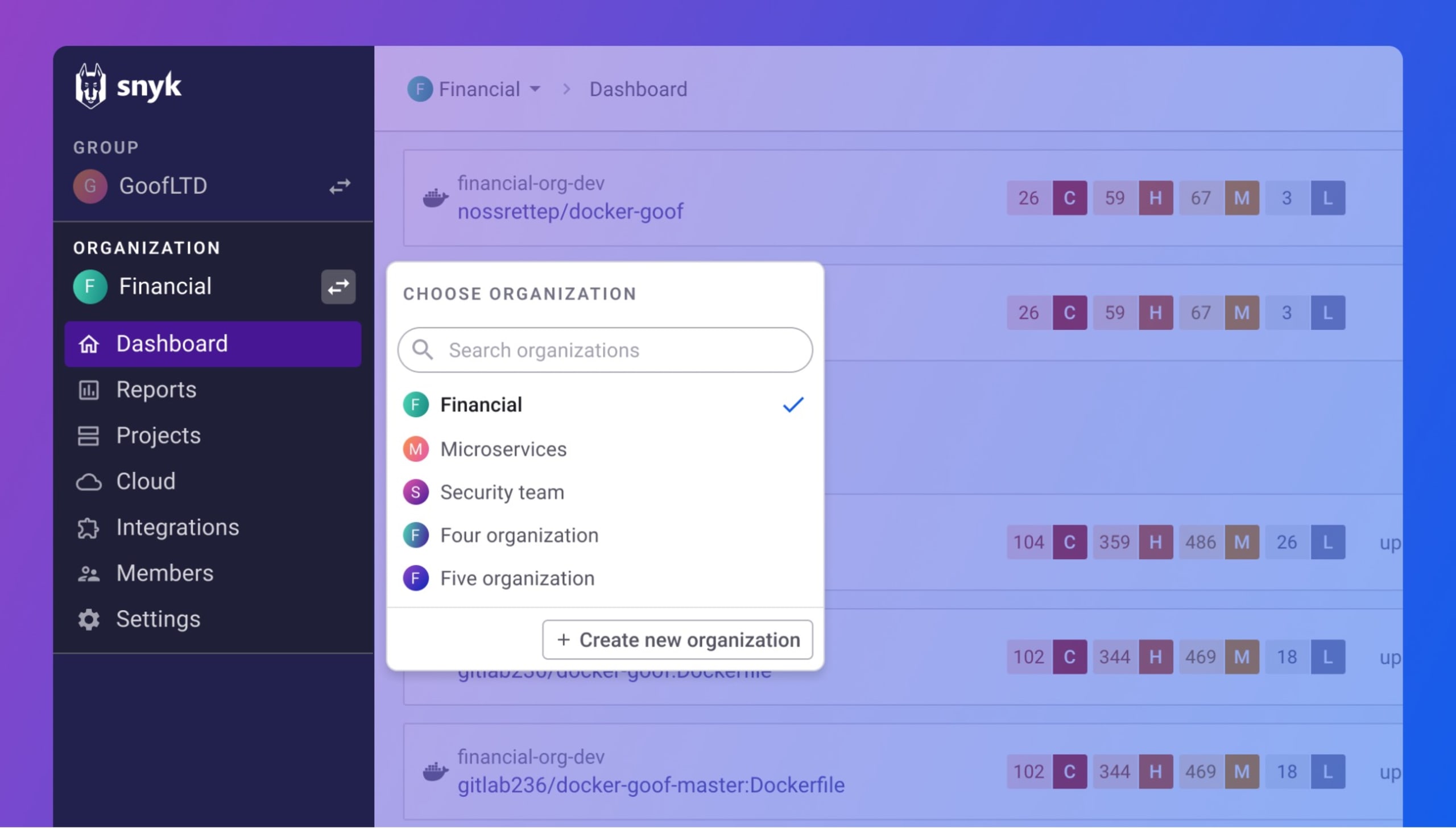
Security tools fail when developers ignore them. The best scanning capabilities mean nothing if findings sit unaddressed. Developer experience matters.
Snyk’s Developer-First Approach
Snyk built its reputation on developer experience. The platform feels designed by people who understand how developers work.
IDE plugins: Snyk offers plugins for VS Code, IntelliJ, Visual Studio, Eclipse, and more. Developers see security findings as they write code, before commit.
CLI tools: The Snyk CLI works anywhere a command line runs. Developers can scan locally before pushing code.
PR integration: Security findings appear in pull request comments. Developers see issues in the context of their changes.
Fix automation: Snyk’s auto-fix PRs reduce friction. Instead of researching how to fix an issue, developers can often just click to merge a fix.
Learning resources: Snyk explains why issues matter and how to prevent them. Developers learn security concepts while addressing findings.
Cycode’s Developer Integration
Cycode also emphasizes developer workflow integration, though with a slightly different flavor:
IDE support: Cycode provides IDE plugins for major development environments. Real-time feedback helps developers catch issues early.
SCM integration: Cycode connects deeply with GitHub, GitLab, Bitbucket, and Azure DevOps. Findings surface where developers already work.
Owner mapping: When Cycode finds an issue, it knows who owns the code. Notifications go to the right people automatically.
Remediation guidance: Cycode provides fix recommendations with context. Developers understand not just what to change but why.
Sprint integration: Cycode can push findings to Jira and other project management tools. Security work fits into normal development workflows.
Integration Ecosystem Comparison
| Integration Type | Snyk | Cycode |
|---|---|---|
| IDEs | Extensive (VS Code, IntelliJ, etc.) | Major IDEs supported |
| Source Control | GitHub, GitLab, Bitbucket, Azure DevOps | Same coverage |
| CI/CD Tools | Very broad (20+ tools) | Major platforms covered |
| Container Registries | Extensive | Major registries |
| Issue Tracking | Jira, GitHub Issues | Jira and others |
| SIEM/SOAR | Available | Available |
Snyk’s integration ecosystem is larger, reflecting its longer market presence and developer focus. Cycode covers the essentials well but has fewer niche integrations.
Pricing Models and Total Cost
Neither company publishes transparent pricing. Enterprise deals require sales conversations. But we can discuss the general models and factors.
Snyk Pricing Approach
Snyk offers a free tier for individual developers and small projects. This gets your foot in the door:
Free tier: Limited scans per month, basic features. Good for trying the product or personal projects.
Team tier: Per-user pricing with increased limits. Adds team features and more integrations.
Enterprise tier: Custom pricing based on developers, applications, and features. Includes advanced capabilities like AppRisk.
Snyk’s modular approach means you might pay separately for different products. Want Code, Open Source, Container, and IaC? Each may have its own cost component.
Cycode Pricing Approach
Cycode typically targets enterprise buyers. The platform bundles capabilities rather than charging separately for each:
Platform pricing: Cycode often prices based on repository count or developer seats. The full platform is included rather than sold piecemeal.
Enterprise focus: With 58% of interested users coming from large enterprises, Cycode’s sales process targets organizations with substantial needs and budgets.
Total Cost Considerations
Sticker price doesn’t tell the whole story. Consider:
- Consolidation savings: Using one platform instead of three or four reduces overhead, training, and integration costs.
- False positive time: Every false positive wastes developer time investigating and dismissing. More accurate tools save money.
- Prioritization efficiency: Better risk prioritization means fixing fewer issues for the same security improvement. That’s labor savings.
- Security outcomes: A breach costs millions. Better security has real financial value even if hard to quantify.
Snyk’s free tier makes starting easy, but enterprise costs can add up as you scale. Cycode requires commitment upfront but may cost less at scale with its bundled approach.
Enterprise Features and Governance
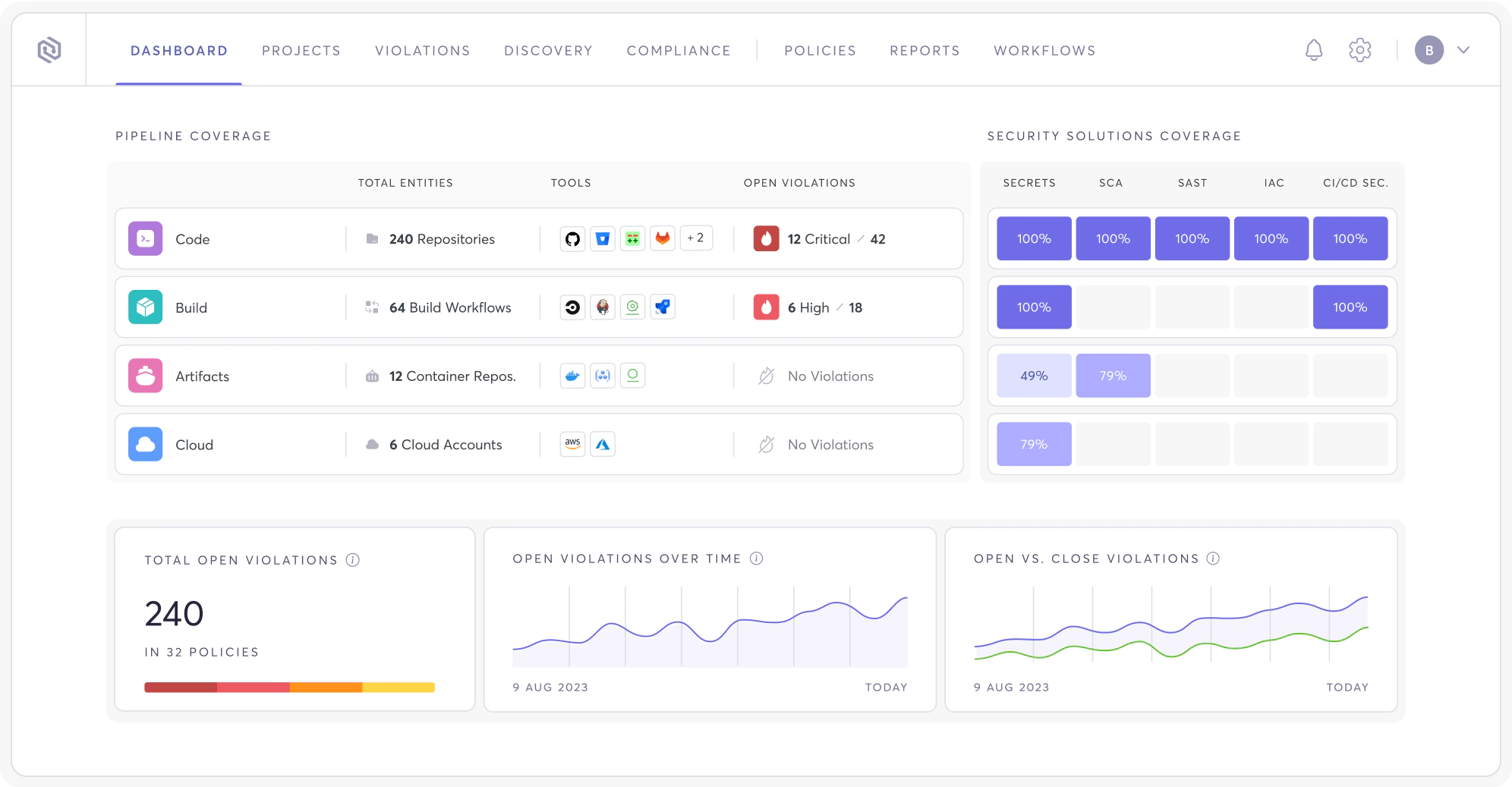
Large organizations have requirements beyond basic scanning. Compliance, governance, reporting, and access control all matter.
Snyk Enterprise Capabilities
Single Sign-On: Snyk supports SAML SSO for enterprise identity management.
Role-based access: Granular permissions control who sees what and who can make changes.
Reporting: Custom reports for compliance, executive dashboards, and trend analysis.
Policy management: Organization-wide security policies that apply across all projects.
Audit logs: Track who did what for compliance and incident investigation.
API access: Full API for custom integrations and automation.
Cycode Enterprise Capabilities
SSO and SCIM: Enterprise authentication and user provisioning.
Governance workflows: Approval processes for policy exceptions and risk acceptance.
Compliance frameworks: Built-in mappings to SOC 2, ISO 27001, and other frameworks.
Executive dashboards: High-level views of security posture for leadership.
Custom policies: Define organization-specific rules and thresholds.
Full audit trails: Comprehensive logging for all platform activities.
Enterprise Feature Comparison
| Feature | Snyk | Cycode |
|---|---|---|
| SSO Support | Yes (SAML) | Yes (SAML, SCIM) |
| Role-Based Access | Yes | Yes |
| Compliance Reporting | Available | Framework-based |
| Policy Management | Yes | Yes with governance |
| Audit Logging | Yes | Comprehensive |
| API Access | Full REST API | Full API |
| Custom Integrations | Extensive | Available |
Customer Reviews and Market Perception
What do actual users say about these platforms? Let’s look at review data and market positions.
Snyk Reviews and Ratings
Gartner rating: 4.4 stars with 236 reviews.
Common praise in Snyk reviews:
- Easy to get started, quick time to value
- Strong developer experience and IDE integration
- Comprehensive SCA coverage
- Good documentation and learning resources
Common criticisms:
- Enterprise pricing can get expensive
- Products sometimes feel like separate tools rather than unified platform
- False positives in some scanning types
- Support response times vary
Cycode Reviews and Ratings
Gartner rating: 4 stars with limited reviews.
PeerSpot rankings:
- #9 in ASPM
- #10 in Software Supply Chain Security
- #17 in SCA
- #22 in AST tools
Common praise in Cycode reviews:
- Comprehensive coverage across SDLC
- Strong risk prioritization reduces noise
- Good visibility into development pipelines
- Unified platform experience
Common criticisms:
- Newer platform with fewer total reviews
- Some features less mature than specialized competitors
- Enterprise pricing may be high for smaller teams
Market Mindshare
According to PeerSpot data, Cycode’s mindshare in ASPM stands at 4.9% as of 2026, down from 6.5% the previous year. This reflects a competitive market where Cycode competes against larger, more established vendors.
Snyk has significantly larger market presence, with more reviews and broader awareness. The company’s longer history and larger marketing budget contribute to this gap.
Use Case Analysis: When to Choose Each Platform
Different organizations have different needs. Here’s how to think about which platform fits your situation.
Choose Snyk When:
Developer experience is the top priority. If getting developers to actually use security tools is your biggest challenge, Snyk’s polish and ease of use help.
You’re focused on open-source security. Snyk’s SCA remains among the best. If dependency vulnerabilities are your main concern, Snyk delivers.
You need a free tier to get started. Snyk’s free option lets small teams and individual developers begin without budget approval.
You want the broadest integration ecosystem. Snyk connects with more tools than almost any competitor. If you use niche or unusual tools, Snyk likely supports them.
Container security is critical. Snyk Container provides deep capabilities including base image recommendations and runtime monitoring.
Choose Cycode When:
You need complete SDLC coverage. Cycode’s platform was designed to protect everything from code through deployment. If you want one tool that covers it all, Cycode fits.
Risk prioritization matters most. Cycode’s contextual analysis and reachability data help teams focus on what actually matters. If alert fatigue is killing your team, Cycode’s approach helps.
CI/CD and pipeline security is a concern. Cycode treats pipeline security as a core capability. If supply chain attacks worry you, Cycode addresses them directly.
You want a unified platform, not assembled products. Cycode feels like one tool because it was built as one. If integrated experience matters, Cycode delivers.
You’re a large enterprise seeking consolidation. With 58% of Cycode interest coming from large enterprises, the platform targets organizations looking to simplify their tooling.
Both Platforms Work For:
- Organizations with modern CI/CD practices
- Teams using cloud-native architectures
- Companies with compliance requirements
- Development teams writing in popular languages
- Organizations wanting to shift security left
Implementation and Onboarding
Getting value from any security tool requires successful implementation. Let’s compare what that looks like.
Snyk Implementation
Quick start possible. Snyk’s SaaS model means no infrastructure to deploy. Connect a repository, and scanning starts within minutes.
Gradual rollout supported. Start with one team or project, then expand. The free tier supports this approach.
Documentation and training. Snyk provides extensive documentation, tutorials, and even security training through Snyk Learn.
Integration effort varies. Basic SCM integration is trivial. Advanced CI/CD integration, policy configuration, and enterprise setup take more effort.
Time to value: Days to weeks for basic scanning. Months for full enterprise deployment with all products.
Cycode Implementation
Enterprise-focused onboarding. Cycode typically includes dedicated implementation support for enterprise customers.
SCM connection first. Like Snyk, connecting source control starts the scanning process quickly.
Configuration for context. Getting full value from Cycode’s risk intelligence requires some configuration. Mapping owners, defining risk criteria, and setting up workflows take time but pay off.
Training for teams. Cycode provides training to help teams understand the platform and its capabilities.
Time to value: Initial scanning in days. Full platform utilization in weeks to months depending on complexity.
Implementation Considerations
| Factor | Snyk | Cycode |
|---|---|---|
| Initial Setup | Very fast | Fast |
| Self-Service | Yes, extensive | Enterprise support included |
| Documentation | Comprehensive | Good |
| Training Resources | Snyk Learn + docs | Enterprise training |
| Full Deployment Time | Weeks to months | Weeks to months |
| Ongoing Support | Tier-based | Enterprise focus |
Future Roadmap and Company Direction
Choosing a security tool means betting on a company’s future. Where are Snyk and Cycode headed?
Snyk’s Direction
Snyk has raised significant venture capital and aims for continued growth. Key areas of focus include:
- AI and automation: More AI-powered fix suggestions and automated remediation
- Platform consolidation: Better integration between acquired and built products
- Enterprise features: Expanded ASPM capabilities and governance
- Coverage expansion: New languages, frameworks, and integration points
Snyk’s scale and resources position it to continue product development and market expansion.
Cycode’s Direction
Cycode positions itself as the “AI-Native Application Security Platform” with focus on:
- AI integration: Using AI not just for scanning but for prioritization and remediation
- Supply chain depth: Continued focus on complete software supply chain security
- Risk intelligence: Enhanced context and correlation capabilities
- Enterprise scale: Features for the largest organizations
Cycode’s positioning as a complete platform means continued development across all security domains rather than specialization in one area.
Final Verdict: Snyk vs Cycode
Both Snyk and Cycode are strong platforms solving real problems. The right choice depends on your priorities.
Snyk excels at developer experience and open-source scanning. If getting developers engaged with security is your challenge, Snyk’s polish and ease of use help. The platform’s maturity, extensive integrations, and large user base provide confidence.
Cycode excels at unified visibility and risk-based prioritization. If you’re drowning in security findings and need to focus on what matters, Cycode’s contextual approach adds real value. The platform’s complete SDLC coverage appeals to organizations wanting one tool instead of many.
For teams primarily concerned with dependency vulnerabilities and developer adoption, Snyk is the safer choice. For enterprises seeking consolidation and struggling with prioritization, Cycode deserves serious consideration.
The best decision comes from evaluating both against your specific requirements. Request demos, run pilots, and see which platform fits your team’s workflows and needs.
Frequently Asked Questions: Snyk vs Cycode Comparison
| What is the main difference between Snyk and Cycode? | Snyk started as a developer-focused SCA tool and expanded into a broader platform. Cycode was built from the start as a complete SDLC security platform. Snyk emphasizes developer experience and open-source scanning, while Cycode focuses on unified visibility and risk-based prioritization across the entire software development lifecycle. |
| Which platform is better for open-source dependency scanning? | Snyk has the edge for pure SCA capabilities. Their vulnerability database is extensive, and features like automatic fix PRs set the standard. Cycode’s SCA is solid but adds value through reachability analysis rather than raw scanning depth. |
| Does Snyk or Cycode offer better CI/CD pipeline security? | Cycode treats pipeline security as a core capability, analyzing CI/CD configurations for security issues. Snyk integrates well with CI/CD tools for running scans but doesn’t focus as deeply on securing the pipelines themselves. |
| Which tool has better risk prioritization? | Cycode’s risk intelligence features, including exposure path analysis and reachability data, provide stronger prioritization capabilities. Snyk uses severity ratings and exploit maturity but offers less context about actual risk in your specific environment. |
| Is Snyk or Cycode easier for developers to use? | Snyk was built with developers as the primary audience and it shows. The IDE plugins, clear interfaces, and automatic fix suggestions make adoption easier. Cycode is developer-friendly but appeals more to security teams looking for unified visibility. |
| Which platform is better for large enterprises? | Both serve enterprises well. Snyk has more market presence and reviews. Cycode’s user base skews toward large enterprises, with 58% of interested users coming from that segment. Cycode’s unified platform may appeal more to organizations seeking consolidation. |
| Can Snyk and Cycode integrate with other security tools? | Yes, both platforms can ingest data from third-party security tools through their ASPM capabilities. Snyk AppRisk and Cycode’s ASPM features both support multi-vendor environments. |
| Which platform offers better secrets detection? | Cycode provides more comprehensive secrets detection, including historical scanning of git history and external code leak monitoring. Snyk’s secrets detection covers basic needs but doesn’t go as deep into supply chain concerns. |
| Does either platform offer a free tier? | Snyk offers a free tier for individual developers and small projects. Cycode focuses on enterprise sales and doesn’t advertise a free tier, though trial periods may be available. |
| How do Snyk and Cycode compare on container security? | Snyk Container is more mature, offering features like base image recommendations and runtime monitoring. Cycode covers container security but doesn’t specialize as deeply in this area. |

 Stack Insight is intended to support informed decision-making by providing independent information about business software and services. Some product details, including pricing, features, and promotional offers, may be supplied by vendors or partners and can change without notice.