
Snyk vs Semgrep: The Complete Comparison Guide for 2026
Picking the right code security tool isn’t just a technical decision. It shapes how your team builds software, how fast you ship, and how many security fires you’ll fight later. Snyk and Semgrep sit at the top of most shortlists when teams evaluate application security tools. Both promise to catch vulnerabilities early. Both integrate into developer workflows. But they approach the problem from completely different angles.
Snyk started as a tool for scanning open-source dependencies. Over time, it grew into a full platform covering static analysis, containers, and infrastructure as code. Semgrep began as an open-source pattern-matching engine for static code analysis. It expanded into supply chain security but keeps its roots in rule-based scanning.
This guide breaks down every angle of the Snyk versus Semgrep comparison. You’ll learn which tool fits specific use cases, team sizes, and budgets. We’ll cover detection accuracy, language support, pricing models, and real-world experiences from practitioners.
Understanding What Snyk and Semgrep Actually Do
Before diving into comparisons, let’s clarify what each tool is built for. The distinction matters because choosing the wrong tool for your primary need wastes money and creates gaps.
Snyk: The Platform Play
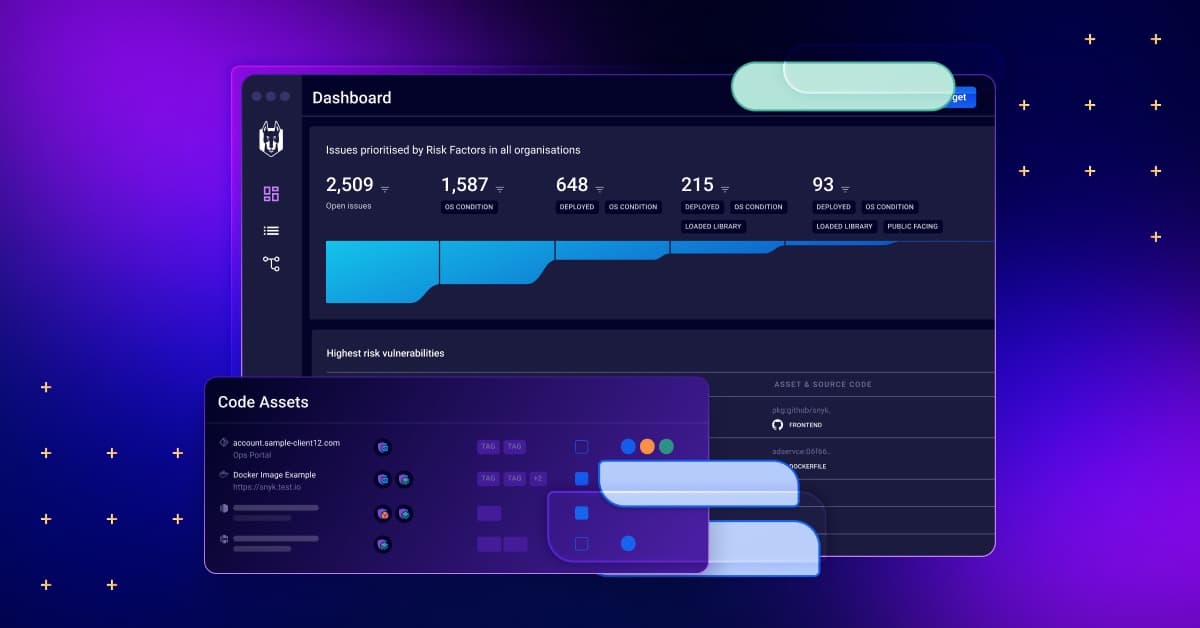
Snyk launched in 2015 with a simple mission: help developers find vulnerabilities in open-source libraries. The company built its reputation on Software Composition Analysis (SCA). When you add a package from npm, PyPI, or Maven, Snyk tells you if that package has known security issues.
Over the years, Snyk expanded into multiple products:
- Snyk Open Source scans your dependencies for known vulnerabilities
- Snyk Code performs static analysis on your own source code
- Snyk Container checks container images for vulnerabilities
- Snyk IaC scans infrastructure as code files like Terraform and CloudFormation
The pitch is simple: one dashboard, one vendor, full coverage. Forrester named Snyk a Leader in their Q4 2024 Software Composition Analysis Wave. The platform approach appeals to teams who want unified reporting and fewer tools to manage.
Semgrep: The SAST Specialist
Semgrep started life as an open-source static analysis tool. Engineers at r2c (now Semgrep, Inc.) built it to be fast, customizable, and developer-friendly. The core engine uses pattern matching. You write rules that describe code patterns you want to find.
The Semgrep ecosystem now includes:
- Semgrep Code for static application security testing
- Semgrep Supply Chain for dependency scanning
- Semgrep Secrets for finding hardcoded credentials
- Semgrep AppSec Platform that bundles everything together
The open-source version (now called Opengrep under LGPL-2.1 licensing) gives you the core scanning engine for free. The commercial platform adds features like CI/CD integration, team management, and advanced analysis.
Independent benchmarks like EASE 2024 showed Semgrep outperforming Snyk specifically on SAST accuracy. This matters if static code analysis is your primary concern.
Core Technology and Detection Approaches
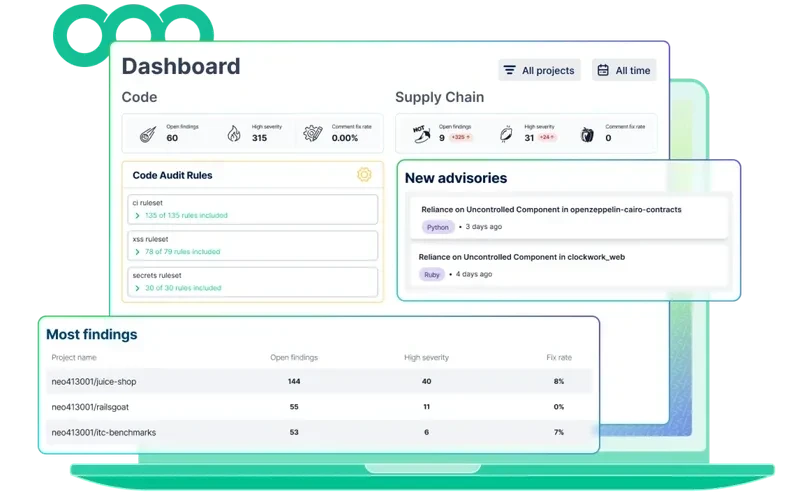
How a tool finds vulnerabilities determines what it catches and what it misses. Snyk and Semgrep use fundamentally different methods. Understanding these differences helps you predict how each will perform on your codebase.
How Snyk Detects Vulnerabilities
Snyk’s detection approach varies by product. For Snyk Open Source, the tool maintains a curated vulnerability database. When you scan, it checks your dependency manifest against this database. The database includes CVE information plus Snyk’s own research findings.
For Snyk Code, the SAST engine works differently. Snyk acquired a company called DeepCode in 2020. DeepCode used machine learning trained on millions of code commits. The resulting engine understands code semantically rather than just matching patterns.
Snyk Code exists in two versions:
- Community Edition (CE) provides basic scanning without cross-file analysis
- Pro engine adds inter-file data flow tracking and deeper analysis
The Pro engine can follow data as it moves through your application. If user input flows from a controller to a database query in another file, Snyk Pro tracks that path. This catches vulnerabilities that simpler scanners miss.
One criticism of Snyk’s approach: it operates as a black box. You can’t see exactly how it reached a conclusion. Some security teams find this frustrating when they need to verify findings or explain them to developers.
How Semgrep Detects Vulnerabilities
Semgrep’s foundation is pattern matching. You write rules using a syntax that looks like code. The rule describes what vulnerable code looks like. Semgrep then finds all instances matching that pattern.
Here’s a simplified example. Say you want to find SQL injection vulnerabilities in Python. You might write a rule that matches any string concatenation inside a database query function. When Semgrep scans, it finds every place that pattern appears.
The power of this approach is transparency. You can read any rule and understand exactly what it looks for. If Semgrep flags something, you can trace back to the specific rule that triggered. You can even modify rules if they don’t fit your codebase.
Semgrep maintains a registry with thousands of community-contributed rules. The paid platform adds proprietary rules written by Semgrep’s security team. These rules get updated as new vulnerability patterns emerge.
For cross-file analysis, Semgrep added taint tracking in their Pro tier. This follows data flow across function calls and files. It’s similar conceptually to what Snyk Pro does, but the underlying technology differs.
Detection Accuracy Comparison
| Aspect | Snyk | Semgrep |
|---|---|---|
| SAST accuracy (EASE 2024) | Good | Higher scores |
| SCA accuracy (Forrester Q4 2024) | Leader position | Newer entrant |
| False positive rate | Moderate | Lower with tuned rules |
| Rule transparency | Black box | Fully visible |
| Custom rule creation | Limited | Core strength |
Practitioners on Reddit and other forums consistently report a pattern: Semgrep performs better for SAST while Snyk performs better for SCA. Many teams end up running both tools to get the best coverage.
Static Application Security Testing (SAST) Face-Off
SAST tools scan your source code for security issues before you even run the application. This catches problems early when they’re cheapest to fix. Both Snyk and Semgrep offer SAST capabilities, but with different strengths.
Snyk Code: The ML-Powered Approach
Snyk Code uses machine learning models trained on real-world code patterns. The system learned from millions of commits across open-source repositories. This gives it an understanding of how code typically behaves.
Strengths of Snyk Code include:
- Fast scanning that doesn’t slow down CI pipelines
- Semantic understanding beyond simple pattern matching
- Auto-remediation suggestions that explain how to fix issues
- Integration with Snyk’s other products for unified reporting
The fix suggestions are particularly helpful for developers. Instead of just saying “SQL injection found,” Snyk Code shows the specific code change needed. This speeds up remediation.
Weaknesses show up in customization. You can’t easily write your own detection rules. If Snyk Code misses something specific to your codebase, you have limited options. You also can’t understand exactly why the ML model flagged something.
Semgrep Code: Rules You Can Read
Semgrep Code builds on the open-source pattern matching engine. Every finding traces back to a specific rule. You can read that rule and understand exactly what it matched.
Key strengths include:
- Rule transparency so you can verify and trust findings
- Custom rule creation for your specific frameworks and patterns
- Community rule registry with thousands of pre-built detections
- Fine-grained control over which rules run and where
Semgrep dramatically reduces false positives according to independent reviewers. The ability to tune rules for your specific codebase means fewer alerts that waste developer time. When a finding appears, developers trust it more because they can understand why it triggered.
The commercial Semgrep AppSec Platform adds AI-assisted triage. This helps prioritize findings based on exploitability and business context. The step-by-step remediation guidance appears directly in code reviews.
Weaknesses include the learning curve for writing custom rules. While the syntax is approachable, crafting effective rules requires security expertise. The pattern-matching approach may miss issues that require deeper semantic understanding.
SAST Performance in Real Codebases
Speed matters for SAST tools. A scanner that takes 30 minutes blocks your CI pipeline and annoys developers.
Semgrep was built for speed from the start. The pattern matching engine is written in OCaml and optimized for performance. Scanning a million-line codebase typically takes minutes, not hours.
Snyk Code also prioritizes speed. The ML approach can analyze code quickly once the model loads. Real-world performance depends on codebase size and which language you’re scanning.
Both tools support incremental scanning. This means only changed files get rescanned on subsequent runs. For typical pull request workflows, both perform fast enough for practical use.
Software Composition Analysis (SCA) Comparison
SCA scans your dependencies to find known vulnerabilities. Modern applications pull in hundreds of open-source packages. Any of those packages might contain security flaws. SCA tools track what you’re using and alert you to problems.
Snyk Open Source: The Industry Leader
Snyk built its business on SCA. The company invested heavily in vulnerability research and database quality. Forrester recognized Snyk as a Leader in their Q4 2024 SCA Wave for good reason.
What makes Snyk Open Source strong:
- Comprehensive vulnerability database covering millions of packages
- Proprietary research findings beyond just CVE data
- Transitive dependency analysis going deep into your dependency tree
- Fix pull requests that automatically upgrade vulnerable packages
- License compliance checking built into the same tool
The database quality is Snyk’s competitive advantage. Their research team finds vulnerabilities before they receive CVE assignments. You get earlier warning than competitors relying solely on public databases.
Fix PRs are particularly valuable. Instead of just alerting you to a problem, Snyk can open a pull request that upgrades the vulnerable package. It tests compatibility and shows you what changed. This removes friction from the remediation process.
Semgrep Supply Chain: The Newer Challenger
Semgrep Supply Chain entered the SCA market more recently. It builds on the same platform philosophy as Semgrep Code: transparency and developer experience.
Features include:
- Reachability analysis to check if vulnerable code actually runs
- Integration with Semgrep Code findings for combined context
- Unified platform experience for teams already using Semgrep SAST
- Clear explanation of why a dependency is flagged
Reachability analysis is Semgrep’s differentiator. Not every vulnerable dependency actually affects your application. If you never call the vulnerable function, the risk is lower. Semgrep tries to determine if the vulnerable code path is actually reachable from your code.
This reduces noise. You focus remediation efforts on vulnerabilities that can actually be exploited in your specific application. It’s a smart approach that addresses alert fatigue.
SCA Feature Comparison Table
| SCA Feature | Snyk Open Source | Semgrep Supply Chain |
|---|---|---|
| Vulnerability database | Industry-leading, proprietary research | Good coverage, growing |
| Auto-fix pull requests | Yes, with testing | Limited |
| Reachability analysis | Basic | Strong focus area |
| License scanning | Comprehensive | Available |
| Transitive dependencies | Deep analysis | Supported |
| Package manager support | Very broad | Major ecosystems |
For teams where SCA is the primary concern, Snyk remains the safer choice. The database quality and automatic fix capabilities are hard to match. For teams who already use Semgrep for SAST and want a unified platform, Semgrep Supply Chain offers a reasonable option.
Language and Framework Support
Your tools need to support the languages your team writes. Gaps in language support mean gaps in security coverage. Both Snyk and Semgrep cover major languages but differ in breadth and depth.
Languages Supported by Snyk
Snyk Code supports around 17 programming languages. The list includes:
- JavaScript and TypeScript
- Python
- Java
- C and C++
- C#
- Go
- Ruby
- PHP
- Kotlin
- Scala
- Swift
Snyk Open Source expands coverage further with package manager support. It handles npm, pip, Maven, Gradle, NuGet, Bundler, Composer, and many more. If your language has a major package ecosystem, Snyk probably supports it.
For frameworks, Snyk’s ML-based approach can understand popular frameworks without explicit configuration. It recognizes patterns from React, Django, Spring, Rails, and similar frameworks because it learned from code using them.
Languages Supported by Semgrep
Semgrep supports over 30 programming languages. The full list includes everything Snyk supports plus:
- Rust
- OCaml
- Lua
- Elixir
- Bash
- JSON and YAML
- Dockerfile
- Terraform (HCL)
The broader language support comes from Semgrep’s architecture. Adding a new language requires building a parser and writing rules. The community contributes both. Less common languages may have fewer rules available, but the capability exists.
Framework support depends on the rules available. The Semgrep registry includes rules specific to React, Django, Flask, Spring, Express, and dozens of other frameworks. You can also write custom rules for internal frameworks your team uses.
Practical Language Comparison
| Language Category | Snyk | Semgrep |
|---|---|---|
| JavaScript/TypeScript | Excellent | Excellent |
| Python | Excellent | Excellent |
| Java/Kotlin | Excellent | Excellent |
| Go | Good | Excellent |
| Rust | Limited | Good |
| C/C++ | Good | Good |
| Infrastructure files | Via Snyk IaC | Native support |
For mainstream languages, both tools perform well. If you work with less common languages like Rust or Elixir, Semgrep offers better coverage. The open-source model allows community contributions that expand language support over time.
Developer Experience and Integration
Security tools fail when developers don’t use them. Both Snyk and Semgrep prioritize developer experience, but they approach it differently.
IDE Integration
Developers catch issues fastest when they see them while writing code. Both tools offer IDE plugins.
Snyk provides plugins for VS Code, IntelliJ IDEA, Eclipse, and other popular IDEs. The plugins show vulnerabilities inline as you type. You see warnings before you even commit. Fix suggestions appear in the IDE so you can resolve issues without context switching.
Semgrep offers a VS Code extension that runs scans in your editor. Results appear as problems in the IDE’s built-in panel. The extension is lighter weight than some competitors, which some developers prefer.
Both approaches work. Snyk’s IDE integration feels more polished with better fix suggestions. Semgrep’s integration is functional but simpler.
CI/CD Pipeline Integration
Most teams run security scans in their CI/CD pipelines. Both tools support this workflow well.
Snyk CLI installs easily and works with any CI system. You can configure it to fail builds on high-severity vulnerabilities or just report findings. Snyk offers native integrations with GitHub Actions, GitLab CI, Jenkins, CircleCI, and other platforms.
Semgrep CLI takes a similar approach. The command-line tool runs anywhere. Semgrep’s documentation emphasizes a CLI-first workflow. Power users appreciate the configurability and scriptability.
One difference: Semgrep gives you more control over what happens when issues are found. You can configure exactly which rules run, which findings block builds, and how results get reported. Snyk’s configuration is simpler but less flexible.
Pull Request Comments
Surfacing security findings directly in pull requests keeps developers in their normal workflow.
Snyk comments on PRs with vulnerability details and suggested fixes. The comments include severity ratings and links to more information. For dependencies, Snyk can automatically create fix PRs.
Semgrep also posts PR comments with findings. The step-by-step remediation guidance appears right in the code review. Developers see exactly what to change without leaving GitHub or GitLab.
Semgrep’s approach gives teams more control over which findings appear to developers. Unlike Snyk’s approach, you can filter out certain categories before they ever reach the developer. This reduces noise and builds trust.
Dashboard and Reporting
Security teams need visibility across all projects and teams. Both tools provide dashboards.
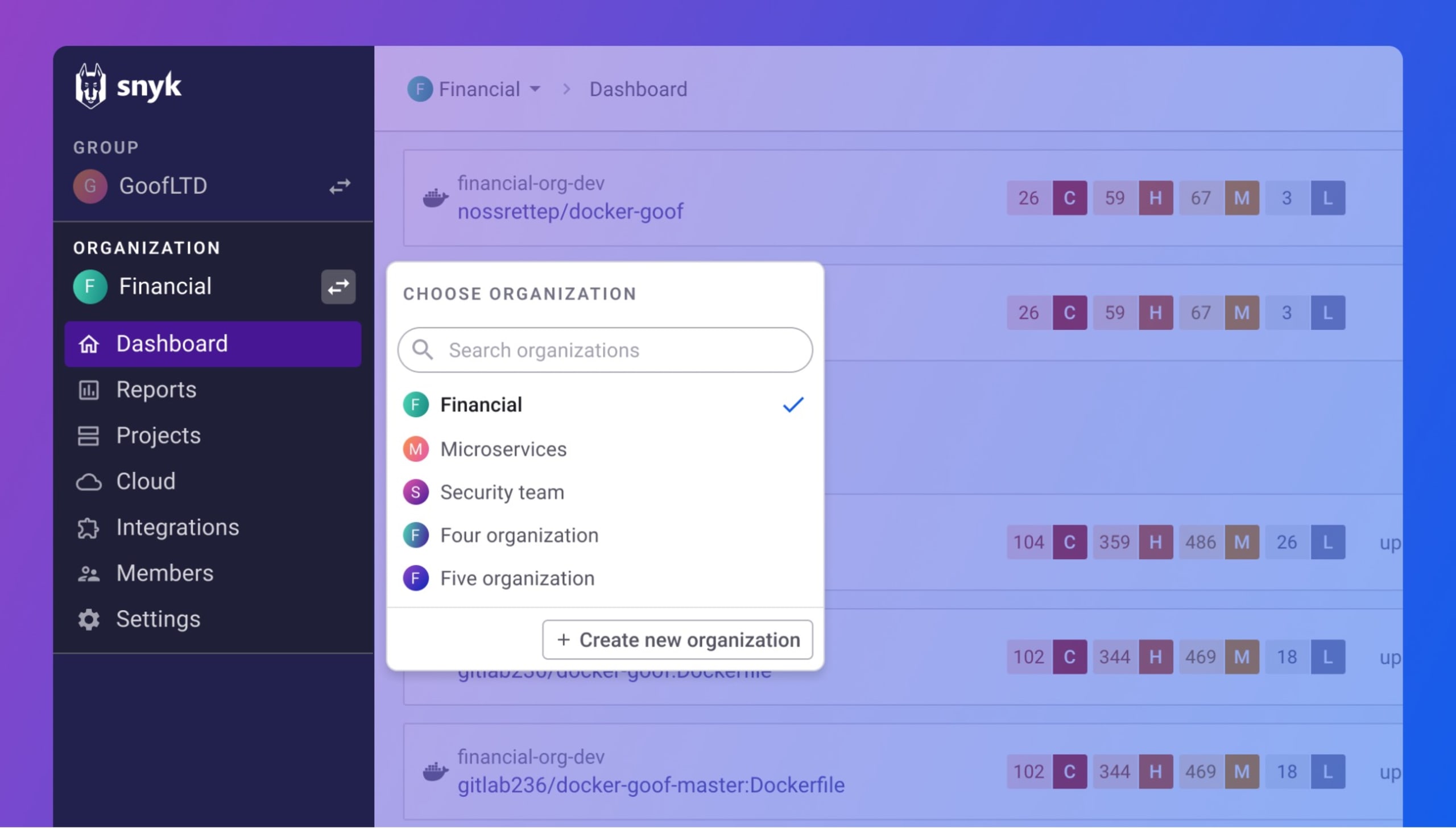
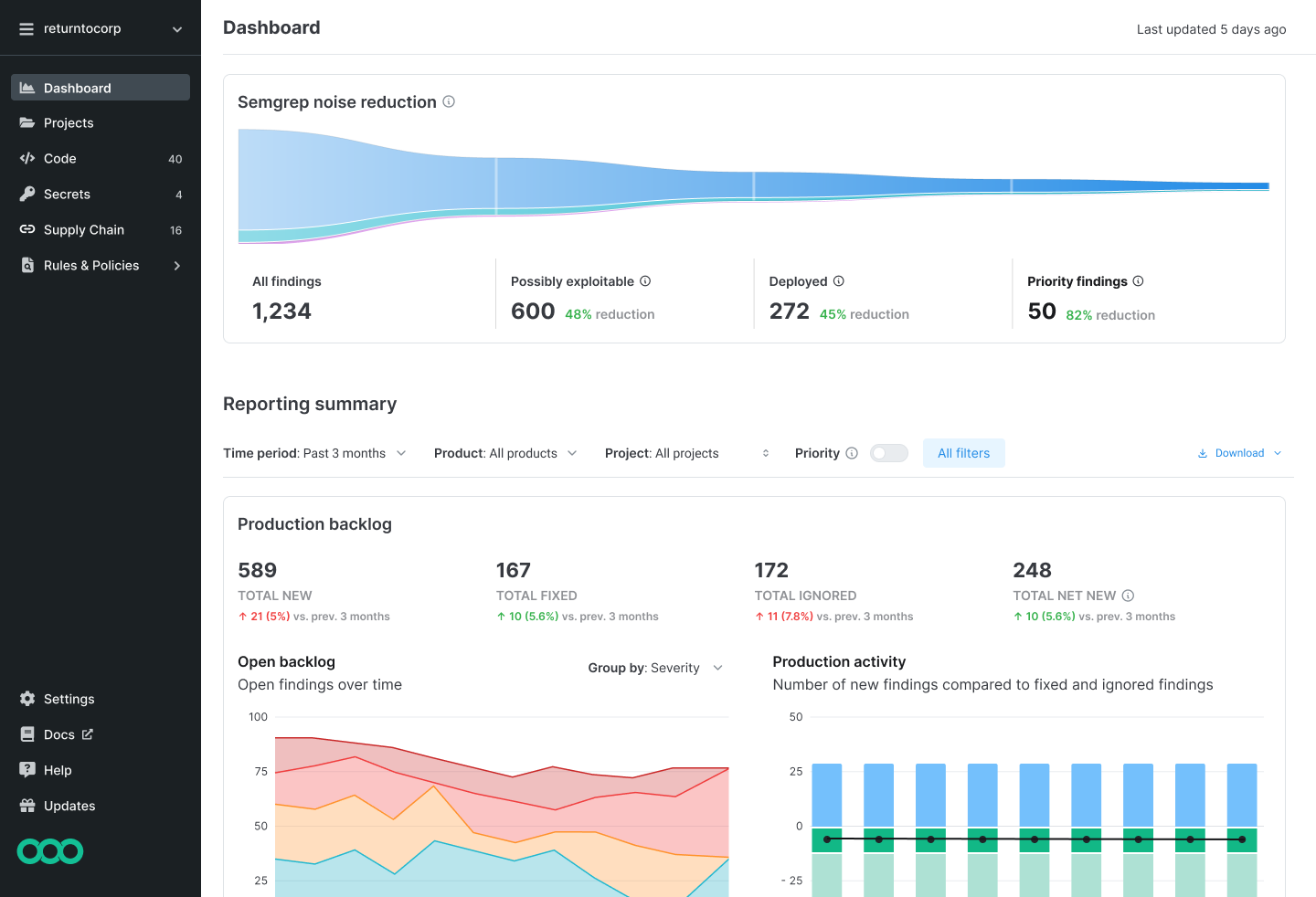
Snyk’s dashboard unifies findings across all products: Code, Open Source, Container, and IaC. You see the full picture in one place. Reporting features let you track trends over time and measure progress.
Semgrep’s AppSec Platform provides similar capabilities. The dashboard shows findings across all scanned repositories. AI-assisted triage helps prioritize what to fix first.
Snyk’s dashboard benefits from the platform breadth. If you use multiple Snyk products, everything correlates. Semgrep’s dashboard focuses on SAST and SCA findings with strong filtering capabilities.
Pricing Models and Cost Comparison
Pricing can make or break a tool decision. Both Snyk and Semgrep use per-developer pricing but structure it differently.
Snyk Pricing Structure
Snyk offers several tiers:
- Free tier: Limited scans for individual developers
- Team tier: $25 per contributing developer per month for Snyk Open Source, with a 5-developer minimum and 10-developer cap
- Enterprise tier: Custom pricing for larger organizations
Here’s where it gets complicated. Snyk Code (SAST) is sold separately from Snyk Open Source (SCA). If you want both, you pay for both. Container and IaC scanning add more cost.
Enterprise pricing includes all products but requires negotiation. Large organizations report wide variation in quotes depending on deal size and negotiation leverage.
The platform approach means potential savings from consolidation. Running one platform instead of multiple point tools reduces operational overhead. But Snyk Enterprise isn’t cheap.
Semgrep Pricing Structure
Semgrep’s pricing is more straightforward:
- Free tier: Open-source engine (Opengrep) with community rules
- Team tier: $30 per contributor per month
- Enterprise tier: Custom pricing with additional features
The Semgrep AppSec Platform bundles SAST, SCA, and Secrets scanning at one price. You’re not paying separately for each capability.
The open-source option is genuinely useful. Teams can run Semgrep OSS in CI pipelines at no cost. You lose the platform features (dashboard, team management, some rules) but keep the core scanning capability.
Cost Comparison for Different Team Sizes
| Team Size | Snyk (SCA + SAST) | Semgrep Platform |
|---|---|---|
| 5 developers | $300+/month (estimated) | $150/month |
| 20 developers | Custom quote required | $600/month |
| 100 developers | Enterprise negotiation | Enterprise negotiation |
Many practitioners report that running Snyk for SCA and Semgrep for SAST costs less than Snyk Enterprise alone. This combination gives you best-in-class tools for each purpose without the platform tax.
Hidden Costs to Consider
Beyond licensing fees, consider:
- Training time: Semgrep’s rule customization has a learning curve
- Integration effort: Two tools means two integrations to maintain
- False positive handling: More false positives means more developer time wasted
- Remediation support: Better fix suggestions save developer time
Semgrep’s lower false positive rate can offset higher per-seat costs. If developers spend less time triaging irrelevant findings, the tool pays for itself.
Rule Customization and Extensibility
Every codebase has unique patterns. The ability to customize detection rules determines how well a tool fits your specific needs.
Customization in Snyk
Snyk’s ML-based approach limits customization options. You can:
- Adjust severity thresholds
- Ignore specific findings or paths
- Configure which products run on which projects
- Set up policies that apply across your organization
What you can’t easily do is write custom detection rules. Snyk Code’s neural network isn’t something you can extend. If the ML model doesn’t catch a pattern specific to your codebase, your options are limited.
Snyk does offer some policy customization. You can define rules about what severity levels block deployments or require approval. But this is policy enforcement, not detection customization.
Customization in Semgrep
Custom rules are Semgrep’s core strength. The rule syntax is designed to be approachable for developers and security engineers.
You can write rules that:
- Match patterns specific to your internal frameworks
- Enforce coding standards beyond security
- Detect misuse of your internal APIs
- Find patterns that public rules don’t cover
Rules look like the code they match. If you want to find all uses of a specific dangerous function, you write a pattern that looks like calling that function. The learning curve is real but manageable.
Semgrep provides a rule registry with thousands of community rules. You can fork existing rules as starting points for customization. The community actively contributes new rules for emerging vulnerabilities and frameworks.
For organizations with mature security programs, this extensibility is valuable. You can encode institutional knowledge into rules. When a security team member finds a new vulnerability pattern, they can create a rule that finds similar issues across all repositories.
Example: Custom Rule for Internal API
Imagine your company has an internal authentication library. You want to ensure developers always call validate_token() before accessing user data. With Semgrep, you can write a rule that flags any code path accessing user data without the validation call.
This type of context-specific detection is impossible with black-box ML approaches. You need the ability to express exactly what you’re looking for.
Container and Infrastructure Security
Modern applications run in containers and deploy to cloud infrastructure. Securing these layers matters as much as securing application code.
Snyk Container
Snyk Container scans container images for vulnerabilities. It checks:
- Base image vulnerabilities (Debian, Alpine, etc.)
- Application dependencies inside the container
- Dockerfile configuration issues
The tool integrates with container registries like Docker Hub, Amazon ECR, and Google Container Registry. It can scan images automatically when pushed and alert on new vulnerabilities in existing images.
Base image recommendations are particularly useful. Snyk can suggest switching from a vulnerable base image to a more secure alternative. This simplifies remediation.
Snyk IaC
Snyk IaC scans infrastructure as code files for misconfigurations. Supported formats include:
- Terraform
- CloudFormation
- Kubernetes manifests
- Azure Resource Manager templates
The scanner finds issues like public S3 buckets, overly permissive security groups, and missing encryption. These misconfigurations are common causes of cloud breaches.
Semgrep for Infrastructure
Semgrep takes a different approach. Instead of separate products, infrastructure files are just another language to scan. Semgrep parses Terraform HCL, Dockerfiles, YAML, and JSON natively.
You write rules the same way you would for application code. Want to find all Terraform resources missing a required tag? Write a Semgrep rule. Want to ensure all Dockerfiles use specific base images? Another rule.
This unified approach is elegant. Teams don’t need to learn different tools for different file types. The same rule syntax and workflow applies everywhere.
The downside is coverage. Snyk IaC has more built-in policies for cloud misconfigurations. Semgrep relies on the rule registry, which has growing but not complete IaC coverage.
Infrastructure Security Comparison
| Capability | Snyk | Semgrep |
|---|---|---|
| Container image scanning | Dedicated product (Snyk Container) | Dockerfile rules only |
| Terraform scanning | Snyk IaC | Native HCL support |
| Kubernetes manifests | Snyk IaC | YAML rules |
| Cloud API integration | Yes | No |
| Registry integration | Yes | Limited |
For teams heavily invested in container security, Snyk’s dedicated product offers more depth. For teams who primarily need to scan configuration files, Semgrep’s unified approach works well.
False Positive Rates and Alert Quality
False positives waste developer time and erode trust. If every alert requires manual investigation only to be dismissed, developers stop paying attention. Both vendors focus on reducing false positives, with different strategies.
Snyk’s Approach to False Positives
Snyk’s ML-based SAST engine was trained to minimize false positives. The learning process included millions of examples of real vulnerabilities versus safe code patterns.
Practitioners report mixed results. Some find Snyk very accurate. Others encounter significant false positive rates depending on the language and codebase characteristics.
For SCA, Snyk’s database quality helps. Vulnerabilities are well-researched with accurate affected version ranges. This reduces false positives from overly broad matching.
Snyk also provides context like whether a vulnerability is actually reachable or whether there’s an exploit in the wild. This helps prioritize real risks over theoretical ones.
Semgrep’s Approach to False Positives
Semgrep tackles false positives through rule quality and filtering.
First, rules are transparent. If a rule generates false positives, you can see exactly why and modify it. The community contributes improvements over time, gradually refining rules to reduce noise.
Second, Semgrep gives you fine-grained control over which findings reach developers. You can:
- Disable rules that don’t apply to your codebase
- Adjust rule confidence levels
- Filter findings based on file path or other metadata
- Mark certain patterns as acceptable in your context
Independent reviewers confirmed that Semgrep dramatically reduces false positives compared to some competitors. The combination of good baseline rules and customization options keeps noise low.
AI-assisted triage in the Semgrep Platform helps further. The system learns from your triage decisions and surfaces similar findings appropriately. Over time, it adapts to your codebase’s patterns.
Real-World False Positive Experiences
Developer communities share experiences with both tools. Common themes emerge:
For Snyk:
- “Snyk Open Source rarely gives us false positives on dependency vulnerabilities”
- “Snyk Code sometimes flags patterns we’ve decided are acceptable, and ignoring them is cumbersome”
- “The fix suggestions are helpful but occasionally suggest breaking changes”
For Semgrep:
- “Once we tuned the rules for our codebase, false positives dropped significantly”
- “Being able to modify rules ourselves let us eliminate entire categories of noise”
- “The out-of-box rules are good but we needed customization for best results”
The pattern is clear. Semgrep requires more initial effort to tune but offers better long-term noise reduction. Snyk works reasonably well out of the box but offers fewer options when the defaults don’t fit.
Enterprise Features and Scalability
Large organizations have requirements beyond basic scanning. They need access control, compliance reporting, and the ability to scale across thousands of repositories.
Snyk Enterprise Capabilities
Snyk’s enterprise tier includes:
- Single sign-on (SSO) with SAML and other providers
- Role-based access control for teams and projects
- Custom policies that enforce organizational standards
- Compliance reporting for standards like SOC 2 and HIPAA
- API access for custom integrations
- Priority support with dedicated success managers
The unified platform helps at scale. When everything flows through one dashboard, you can see security posture across hundreds of projects. Trends and comparisons become possible.
Snyk’s enterprise customers include major companies across industries. The platform has proven it can handle large-scale deployments.
Semgrep Enterprise Capabilities
Semgrep’s enterprise offering includes:
- SSO integration with major identity providers
- Team management with fine-grained permissions
- Private rule deployment for proprietary detection logic
- Audit logs for compliance requirements
- API access for automation and integration
- Dedicated support options
Semgrep has grown adoption among leading engineering teams. Companies like Dropbox, Figma, and Snowflake use Semgrep to secure their code. This validates the platform’s ability to handle sophisticated requirements.
Scalability Considerations
Both tools can scan large codebases, but performance characteristics differ.
Snyk performs scanning in the cloud. Your code gets uploaded (or metadata about it) and analyzed on Snyk’s infrastructure. This offloads compute but raises data residency questions for some organizations.
Semgrep can run entirely locally. The scanning happens on your infrastructure. For organizations with strict data controls, this is appealing. Semgrep’s cloud platform handles coordination and reporting, but the actual analysis can stay in your environment.
For very large monorepos (millions of lines), both tools have optimization options. Incremental scanning, caching, and parallelization help maintain reasonable scan times.
Secrets Detection Capabilities
Hardcoded secrets are a common and dangerous vulnerability class. API keys, passwords, and tokens committed to repositories lead to breaches. Both tools offer secrets detection with different approaches.
Snyk Secrets Detection
Snyk includes secrets detection as part of Snyk Code. The ML model recognizes patterns that look like credentials. It can find:
- API keys for cloud providers and services
- Database connection strings with passwords
- OAuth tokens and JWT secrets
- SSH private keys
The integration with Snyk Code means secrets findings appear alongside other code vulnerabilities. You get unified reporting without a separate tool.
Semgrep Secrets
Semgrep offers dedicated Semgrep Secrets functionality. It uses pattern matching and entropy analysis to find hardcoded credentials.
The rule-based approach means you can customize detection. If your organization uses specific secret formats, you can write rules that match them. This catches internal secrets that generic tools miss.
Semgrep Secrets integrates with the broader platform. Findings appear in the same dashboard as code and dependency vulnerabilities.
Comparison of Secrets Detection
| Secrets Feature | Snyk | Semgrep |
|---|---|---|
| Detection method | ML-based pattern recognition | Rules plus entropy analysis |
| Custom secret patterns | Limited | Full rule customization |
| Integration | Part of Snyk Code | Separate product, unified dashboard |
| False positive handling | Ignore/dismiss workflow | Rule tuning plus workflow |
For most teams, both tools provide adequate secrets detection. If you have unusual secret formats or need extensive customization, Semgrep’s approach offers more flexibility.
Community and Ecosystem
A tool’s community affects how well it evolves and how easy it is to get help. Both Snyk and Semgrep have active communities but with different characteristics.
Snyk Community
Snyk has a large user base and active community presence. Resources include:
- Documentation covering all products and features
- Snyk Learn free security training content
- Community forums for questions and discussion
- Integration marketplace with partner tools
Snyk’s commercial focus means resources target enterprise users. You’ll find case studies, webinars, and professional training. The company invests in developer education.
The advisory database is partly community-contributed. Security researchers report vulnerabilities that Snyk verifies and adds. This keeps the database comprehensive.
Semgrep Community
Semgrep’s open-source roots created a strong community of contributors. Resources include:
- Open-source rule registry with thousands of community rules
- Slack community with active discussion
- GitHub repository for the core engine
- Documentation emphasizing rule writing and customization
The rule registry is Semgrep’s community superpower. Security researchers contribute rules for new vulnerability patterns. Framework maintainers contribute rules specific to their frameworks. This crowdsourced knowledge grows constantly.
If you write a useful custom rule, you can contribute it back. This creates a virtuous cycle where the tool improves through community effort.
Getting Help and Support
Both vendors offer commercial support tiers. Snyk’s enterprise customers get dedicated support and success managers. Semgrep offers similar options at their enterprise tier.
For community support, Semgrep’s Slack channel is notably responsive. Users share rules, troubleshoot issues, and discuss security patterns. Snyk’s forums serve a similar purpose but with more commercial framing.
Making the Decision: Which Tool Fits Your Needs
After all the details, how do you decide? The right choice depends on your specific situation. Here’s a framework for thinking through it.
Choose Snyk If…
SCA is your primary concern. Snyk’s vulnerability database and fix PR capabilities lead the market. If dependency security matters most, Snyk is the stronger choice.
You want one vendor for everything. The platform approach simplifies vendor management. One contract, one dashboard, one support relationship. For organizations that value simplification, this matters.
Container security is a priority. Snyk Container offers deeper capabilities than Semgrep’s Dockerfile-focused approach. If you run containers at scale, Snyk provides more value.
You prefer out-of-box functionality. Snyk works well with minimal configuration. If you don’t have bandwidth to tune rules, the ML-based approach requires less ongoing effort.
Choose Semgrep If…
SAST is your primary concern. Semgrep consistently outperforms in SAST benchmarks. If finding bugs in your own code matters most, Semgrep delivers better results.
Rule transparency matters to your team. Understanding why something was flagged builds trust with developers. Semgrep’s visible rules make findings easier to validate and explain.
You need extensive customization. Custom rules for internal frameworks and patterns give Semgrep an edge. Organizations with mature security programs can encode their knowledge into the tool.
Budget is constrained. Semgrep’s pricing tends to be more straightforward. The open-source option provides genuine value. For smaller teams, the economics often favor Semgrep.
Consider Using Both
The most common practitioner pattern is running Snyk for SCA and Semgrep for SAST. This combination gives you:
- Best-in-class dependency vulnerability detection
- Best-in-class static code analysis
- Lower total cost than Snyk Enterprise alone
- Rule customization for your specific needs
The downside is managing two tools. You have two dashboards, two integrations to maintain, and two vendor relationships. For many teams, the improved coverage justifies this overhead.
Decision Matrix Summary
| Primary Need | Recommended Tool | Why |
|---|---|---|
| Dependency security | Snyk | Best database and fix automation |
| Static code analysis | Semgrep | Better accuracy, customizable |
| Unified platform | Snyk | One vendor for all needs |
| Custom rules | Semgrep | Core design principle |
| Container security | Snyk | Dedicated product depth |
| Budget optimization | Semgrep (or both) | Lower pricing, open-source option |
Practical Deployment Scenarios
Let’s look at how different organizations might approach this decision.
Scenario 1: Early-Stage Startup
A startup with 5 developers needs security scanning but has minimal budget. They primarily write JavaScript and Python.
Recommendation: Start with Semgrep’s free tier for SAST. Use npm audit and pip-audit for basic SCA. As the company grows and can afford paid tools, evaluate adding commercial tiers.
The open-source Semgrep engine provides real value at zero cost. Community rules cover common vulnerability patterns. This gives baseline protection while conserving cash.
Scenario 2: Growth-Stage Company
A company with 50 developers building a SaaS product. They use containers, have hundreds of dependencies, and handle customer data.
Recommendation: Snyk Team for SCA plus Semgrep Team for SAST. This combination covers both needs without enterprise-tier pricing.
At this scale, professional tools pay for themselves through efficiency. The combined approach gives comprehensive coverage at reasonable cost.
Scenario 3: Enterprise with Compliance Requirements
A financial services company with 500 developers, strict compliance requirements, and a dedicated security team.
Recommendation: Evaluate Snyk Enterprise for unified reporting and compliance features. Consider supplementing with Semgrep for teams that need custom rules.
Enterprise requirements often favor single-vendor solutions. The compliance reporting and audit capabilities matter. But security teams may want Semgrep’s flexibility for specialized analysis.
Scenario 4: Open-Source Project
An open-source project maintained by volunteers. They need security scanning but have no budget.
Recommendation: Use Semgrep OSS with community rules. Snyk offers free plans for open-source projects that may also help.
Both vendors support open-source communities. Semgrep’s fully open-source engine ensures long-term availability regardless of vendor decisions.
Migration and Implementation Considerations
Switching security tools or adding new ones requires planning. Here’s what to consider.
Migrating to Snyk
If you’re moving to Snyk from another tool:
- Start with one product (probably Snyk Open Source) and expand
- Import existing ignore lists to avoid alert fatigue
- Plan for developer training on the new workflow
- Set realistic initial thresholds to avoid overwhelming teams
Snyk’s onboarding process is well-documented. The platform guides you through connecting repositories and running initial scans. Expect a few weeks to tune thresholds and train developers.
Migrating to Semgrep
If you’re moving to Semgrep:
- Start with the default rule sets before customizing
- Identify high-noise rules and tune or disable them early
- Plan for rule development if you have custom frameworks
- Consider a pilot with one team before organization-wide rollout
Semgrep’s initial setup is quick. The CLI installs easily and scans immediately. Tuning rules for your specific codebase takes longer but pays off in reduced noise.
Running Both Tools
If you’re implementing both Snyk and Semgrep:
- Clarify which tool handles which scanning category
- Avoid overlap that creates duplicate alerts
- Decide how findings from both tools get triaged
- Consider aggregation tools if you need unified reporting
Some teams use third-party platforms to aggregate findings from multiple security tools. This gives unified visibility without depending on a single vendor’s platform.
Future Outlook for Both Platforms
Security tooling evolves rapidly. Understanding where each platform is heading helps with long-term planning.
Snyk’s Direction
Snyk continues expanding its platform. Recent additions include API security testing and runtime protection. The company is moving toward “shift everywhere” security that covers the full software lifecycle.
Snyk’s acquisition activity suggests ongoing expansion. The DeepCode acquisition improved SAST capabilities. Future acquisitions may add new product categories.
As a well-funded company (over $1 billion raised), Snyk has resources to invest in product development. Expect continued platform expansion and enterprise feature development.
Semgrep’s Direction
Semgrep is maturing from a SAST-focused tool into a broader platform. Supply Chain and Secrets additions show this trajectory. The company is building out enterprise capabilities to compete at larger scales.
The open-source community remains Semgrep’s differentiator. Rule contributions continue growing. The recent Opengrep licensing clarifies the long-term open-source commitment.
Semgrep’s technical approach (fast pattern matching with optional deep analysis) positions it well for large-scale deployments. The architecture scales efficiently.
Industry Trends Affecting Both
Several trends will affect both platforms:
- AI integration for better prioritization and fix suggestions
- Supply chain security becoming mandatory in regulated industries
- Shift-left requirements pushing security earlier in development
- Consolidation as organizations reduce tool sprawl
Both vendors are adapting to these trends. The competitive pressure benefits users through improved features and pricing pressure.
Final Thoughts on Snyk vs Semgrep
Choosing between Snyk and Semgrep isn’t about finding the “best” tool. It’s about finding the right fit for your specific needs, constraints, and priorities.
Snyk shines for SCA, container security, and organizations wanting a unified platform. The vulnerability database quality and fix automation save significant time for teams managing many dependencies.
Semgrep shines for SAST, customization needs, and organizations that value transparency. The rule-based approach gives control that ML-based tools can’t match.
Many teams find the best answer is using both. This combination delivers best-in-class capabilities for each security category. The operational overhead of two tools is offset by improved detection and lower false positives.
Whatever you choose, the most important thing is actually using the tools. A security scanner that runs consistently catches more than a perfect tool gathering dust. Start with something, learn from the results, and iterate.
Frequently Asked Questions About Snyk vs Semgrep
| Is Semgrep or Snyk better for SAST (static analysis)? | Semgrep typically performs better for SAST based on independent benchmarks like EASE 2024. The rule-based approach offers transparency and customization that many security teams prefer. Snyk Code uses ML-based detection which works well out of the box but offers less visibility into how it reaches conclusions. |
| Is Snyk or Semgrep better for SCA (dependency scanning)? | Snyk is the stronger choice for SCA. Forrester named Snyk a Leader in their Q4 2024 Software Composition Analysis Wave. Snyk’s vulnerability database includes proprietary research findings beyond just public CVEs. The automatic fix pull request feature is particularly valuable for remediation. |
| Can I use both Snyk and Semgrep together? | Yes, and this is a common practitioner pattern. Many teams run Snyk for SCA and Semgrep for SAST to get best-in-class tools for each purpose. This combination often costs less than Snyk Enterprise alone while providing better overall coverage. |
| Is there a free version of Snyk or Semgrep? | Both offer free tiers. Snyk provides limited free scanning for individual developers and open-source projects. Semgrep offers Opengrep, a fully open-source scanning engine under LGPL-2.1 licensing, plus community rules. The open-source Semgrep provides more functionality at the free tier. |
| Which tool has fewer false positives? | Semgrep generally produces fewer false positives when properly tuned. The ability to customize and disable rules lets teams eliminate noise specific to their codebases. Independent reviewers confirmed Semgrep’s strong performance on false positive reduction. Snyk’s results vary by language and code patterns. |
| What languages do Snyk and Semgrep support? | Snyk Code supports around 17 languages including JavaScript, Python, Java, Go, and C#. Semgrep supports over 30 languages including everything Snyk covers plus Rust, Elixir, and various configuration formats like Terraform and Dockerfile. For mainstream languages, both provide excellent coverage. |
| Which tool is better for container security? | Snyk has the advantage for container security through its dedicated Snyk Container product. It scans container images, integrates with registries, and suggests base image upgrades. Semgrep can scan Dockerfiles but doesn’t offer the same depth of container image analysis. |
| How do Snyk and Semgrep pricing compare? | Snyk Team starts at $25 per developer per month for Open Source, with Snyk Code sold separately. Semgrep starts at $30 per contributor per month for the bundled platform including SAST, SCA, and Secrets. Semgrep’s bundled pricing often works out cheaper than buying multiple Snyk products. |
| Can I write custom rules in Snyk or Semgrep? | Semgrep’s core strength is custom rule creation. The rule syntax is designed to be readable and writable by security engineers and developers. Snyk’s ML-based approach doesn’t support custom detection rules. You can configure policies and ignores in Snyk but not create new detection patterns. |
| Which tool should a startup choose? | Budget-constrained startups often start with Semgrep’s free open-source tier for SAST. The community rules provide solid baseline coverage at zero cost. As the company grows and can afford paid tools, adding Snyk for SCA makes sense. The open-source option lets you get started without procurement delays. |

 Stack Insight is intended to support informed decision-making by providing independent information about business software and services. Some product details, including pricing, features, and promotional offers, may be supplied by vendors or partners and can change without notice.