
Checkmarx vs Cycode: The Complete 2026 Comparison Guide for Application Security
Picking the right application security platform can make or break your development workflow. Security teams face mounting pressure to catch vulnerabilities early without slowing down releases. Two names keep coming up in these conversations: Checkmarx and Cycode.
Both platforms promise to secure your code from development through deployment. But they approach the problem differently. Checkmarx brings decades of experience in static application security testing. Cycode positions itself as an AI-native platform built for modern development practices.
This guide breaks down everything you need to know about both tools. We’ll cover scanning capabilities, integrations, pricing models, user experience, and real-world performance. By the end, you’ll have a clear picture of which platform fits your team’s needs.
Understanding the Application Security Testing Market in 2026
The application security testing space has changed dramatically over the past few years. Gone are the days when a simple SAST tool was enough. Modern development teams need platforms that cover multiple security dimensions.
Organizations now deploy code faster than ever. CI/CD pipelines push updates multiple times per day. This speed creates new security challenges.
The Shift Toward Consolidated Platforms
Security teams used to juggle five or six different tools. One for static analysis. Another for software composition analysis. A third for secrets detection. Managing all these became a nightmare.
The market responded with consolidated platforms. These combine multiple scanning engines under one roof. Both Checkmarx and Cycode follow this trend, though they take different paths.
Checkmarx evolved from a pure-play SAST vendor into a broader platform. The company acquired several tools and merged them into Checkmarx One. This gives customers SAST, SCA, API security, and more in one package.
Cycode started with a different vision. The platform was built from the ground up to cover the entire software development lifecycle. It includes pipeline security, secrets detection, and code leak prevention alongside traditional scanning.
Why This Comparison Matters
According to Gartner reviews, Checkmarx holds a 4.5-star rating with 525 reviews. Cycode has fewer reviews but represents a newer approach to application security. This difference in market presence tells part of the story.
Checkmarx has been around longer. It’s battle-tested in enterprise environments. Many large organizations already have it deployed.
Cycode appeals to teams looking for something more modern. Its AI-native approach promises better context and faster remediation. The platform targets organizations tired of alert fatigue and tool sprawl.
Company Background and Platform Philosophy
Understanding where each company comes from helps explain their current approach. Philosophy shapes product decisions. It affects everything from user interface design to pricing models.
Checkmarx: The Enterprise Veteran
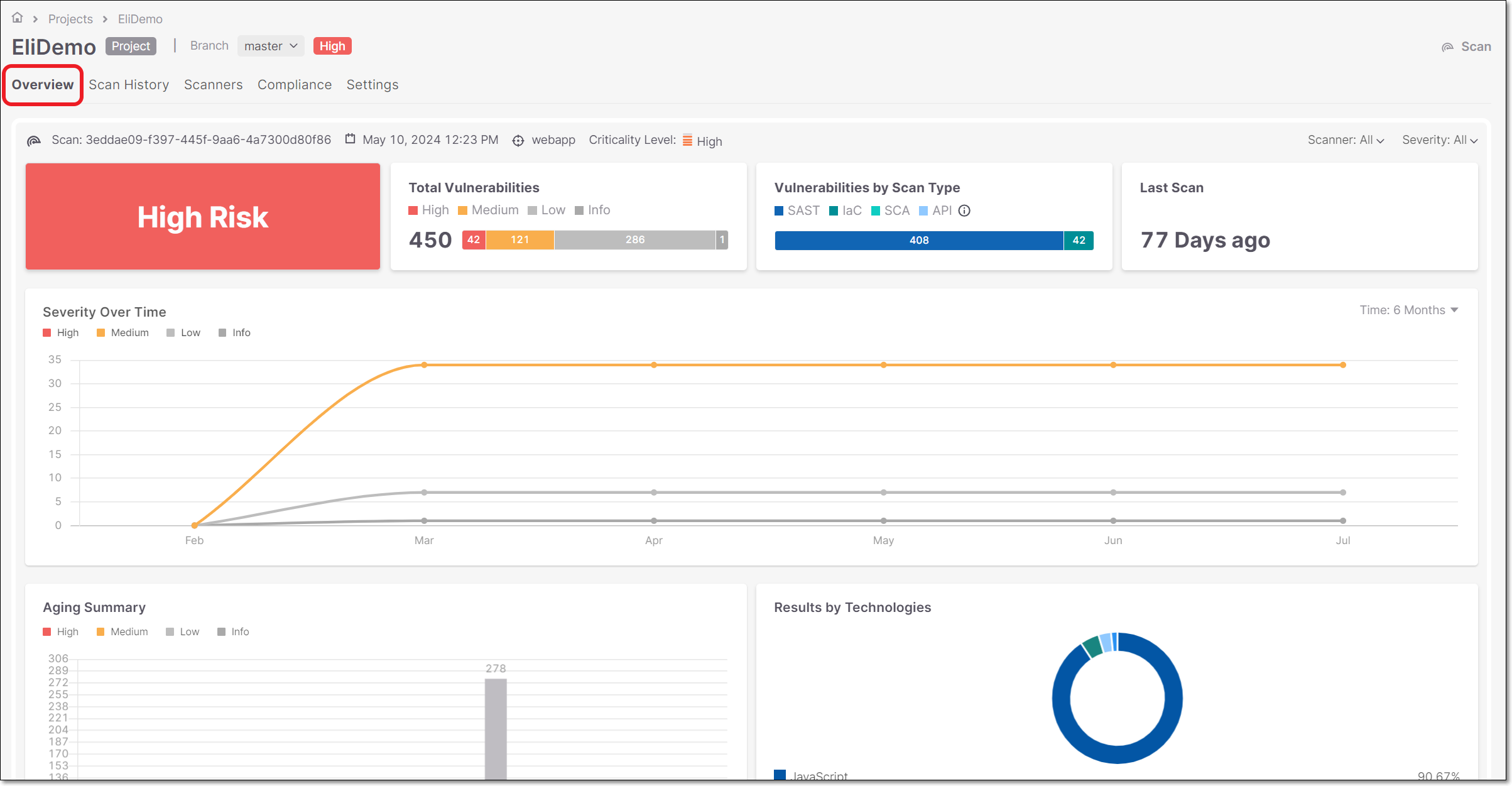
Checkmarx launched in 2006 in Israel. For nearly two decades, the company has focused on code security. It started as a SAST solution and grew from there.
The company went through several ownership changes. Hellman & Friedman acquired it in 2020. This private equity backing funded expansion and acquisitions.
Key acquisitions shaped the current platform:
- Custodela for AppSec program management
- Dustico for supply chain security
- Several smaller tools folded into Checkmarx One
The Checkmarx philosophy centers on enterprise needs. It targets large organizations with complex compliance requirements. The platform emphasizes thoroughness over speed.
According to PeerSpot data, Checkmarx ranks #21 in the SAST category with an average rating of 7.7. This solid positioning reflects years of enterprise deployments.
Cycode: The AI-Native Challenger
Cycode entered the market more recently with a fresh perspective. The founders saw gaps in existing tools. They built a platform designed for modern development workflows.
Cycode describes itself as an “AI-Native Application Security Platform for the AI Era.” This isn’t just marketing speak. The platform uses machine learning throughout its architecture.
Cycode’s founding principles include:
- Native scanning engines built with modern code in mind
- Deep integration with CI/CD pipelines
- Context-aware prioritization
- Automated remediation capabilities
The company focuses on uniting security and development teams. Its platform provides “actionable context from code to runtime.” This means developers get findings they can actually fix, not just noise.
Different Markets, Different Approaches
These different backgrounds lead to distinct platform personalities. Checkmarx feels like enterprise software. Cycode feels like a developer tool with security built in.
Neither approach is wrong. They serve different needs and organizational cultures. A Fortune 500 bank might prefer Checkmarx’s thoroughness. A fast-moving tech startup might prefer Cycode’s speed.
Scanning Capabilities: Checkmarx vs Cycode Features
At its core, an application security platform lives or dies by its scanning capabilities. Both tools cover the major categories. But implementation details matter enormously.
Static Application Security Testing (SAST)
SAST finds vulnerabilities by analyzing source code without running it. Both platforms offer this capability, but with different strengths.
Checkmarx SAST has been refined over nearly 20 years. The engine supports dozens of programming languages. It excels at finding complex vulnerabilities that span multiple files or modules.
Checkmarx’s query language lets security teams customize rules. You can tune the engine for your specific codebase. This flexibility comes at a cost: initial setup takes longer.
Scan depth is a Checkmarx strength. The engine follows data flows through entire applications. It catches issues that simpler scanners miss. But thorough scanning means longer scan times.
Cycode SAST was built more recently. The engine prioritizes speed without sacrificing accuracy. It’s designed to fit into CI/CD pipelines without creating bottlenecks.
Cycode’s approach emphasizes relevance. Instead of dumping thousands of findings, it focuses on issues that actually matter. The AI layer helps prioritize based on exploitability and business context.
| SAST Feature | Checkmarx | Cycode |
|---|---|---|
| Language Support | 30+ languages | 20+ languages |
| Custom Rules | Extensive query language | Policy-based customization |
| Scan Speed | Thorough but slower | Optimized for CI/CD |
| False Positive Rate | Moderate | Lower with AI prioritization |
| Incremental Scans | Yes | Yes |
Software Composition Analysis (SCA)
Modern applications use massive amounts of open-source code. SCA tools identify vulnerabilities in third-party dependencies.
Checkmarx SCA covers open-source risk comprehensively. It identifies vulnerable packages and suggests remediation paths. The tool also flags license compliance issues.
Checkmarx maintains its own vulnerability database. This database gets updated regularly with new CVEs. The platform can identify transitive dependencies, not just direct ones.
Cycode SCA takes a similar approach but adds more context. The platform maps dependencies to actual usage in your code. If a vulnerable function isn’t called, Cycode tells you.
This reachability analysis reduces noise dramatically. Security teams don’t waste time on theoretical vulnerabilities. They focus on risks that affect their actual code paths.
Key SCA differences:
- Checkmarx offers deeper license compliance features
- Cycode provides better reachability analysis
- Both support major package managers and ecosystems
- Both integrate with developer workflows for remediation
Secrets Detection
Hardcoded secrets remain a top security risk. API keys, passwords, and tokens accidentally committed to repositories cause countless breaches.
Checkmarx includes secrets detection as part of its broader platform. The tool scans code for patterns that look like credentials. It can catch common secret types like AWS keys or database passwords.
Cycode treats secrets detection as a first-class feature. The platform goes beyond pattern matching. It validates whether detected secrets are actually active and pose real risk.
Cycode also monitors for code leaks. If your proprietary code shows up in a public repository, the platform alerts you. This goes beyond what most SAST-focused tools offer.
Infrastructure as Code (IaC) Security
Cloud infrastructure defined in code creates new attack surfaces. Misconfigurations in Terraform, CloudFormation, or Kubernetes manifests lead to breaches.
Checkmarx KICS (Keeping Infrastructure as Code Secure) handles this category. It’s an open-source tool that Checkmarx acquired and integrated into its platform.
KICS supports over 15 different IaC technologies. It checks for compliance with industry benchmarks like CIS. The tool catches misconfigurations before deployment.
Cycode IaC scanning is built natively into the platform. It covers major infrastructure-as-code frameworks. The scanner checks for security misconfigurations and compliance violations.
What sets Cycode apart here is context. The platform understands how IaC connects to your broader infrastructure. It can trace issues from code to deployed resources.
Container Security
Container images need scanning for vulnerabilities. Both base images and added layers can contain security risks.
Checkmarx Container Security scans images for known vulnerabilities. It integrates with container registries and CI/CD pipelines. The tool provides visibility into what’s running in your containers.
Cycode Container scanning offers similar capabilities. The platform checks images against vulnerability databases. It also identifies misconfigurations in Dockerfiles.
Cycode adds supply chain context to container findings. You can trace vulnerabilities back to their source. This helps prioritize fixes based on actual risk.
API Security Testing
APIs represent a growing attack surface. Both platforms address API security, though differently.
Checkmarx API Security combines static and dynamic testing. It discovers APIs in your code and tests them for vulnerabilities. The tool can identify OWASP API Top 10 issues.
Cycode focuses more on securing the code that implements APIs. Its SAST engine catches API-related vulnerabilities during development. Runtime API security isn’t a primary focus.
Intelligence and Prioritization: Comparing Checkmarx and Cycode
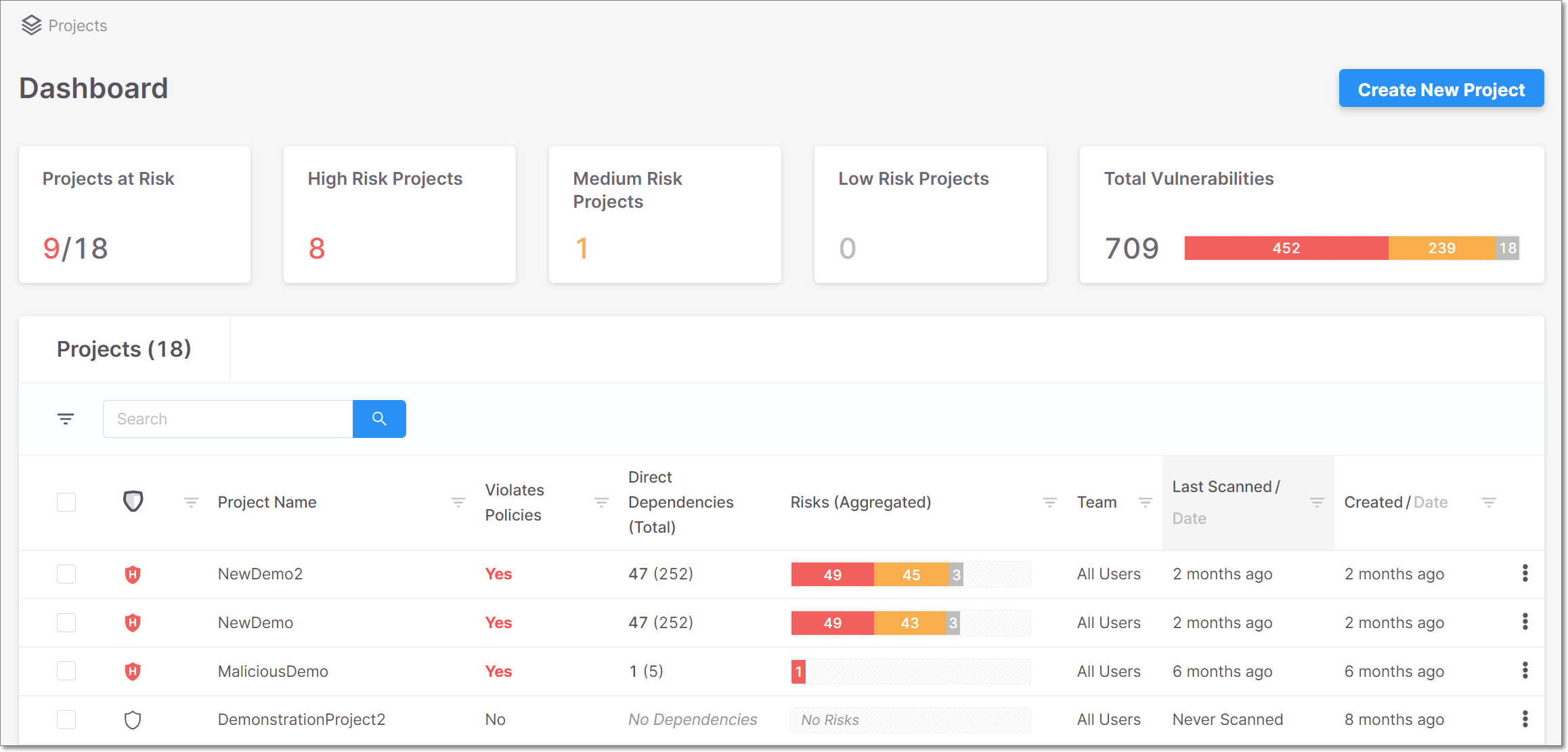
Finding vulnerabilities is only half the battle. Security teams drown in alerts. What separates good tools from great ones is intelligent prioritization.
The Alert Fatigue Problem
A typical enterprise application scan generates thousands of findings. Not all of them matter equally. Some represent critical risks. Others are theoretical issues with no practical exploit path.
Development teams ignore security tools that cry wolf too often. Alert fatigue is real. If 90% of findings are noise, developers stop paying attention to the other 10%.
Both Checkmarx and Cycode recognize this problem. They’ve invested heavily in prioritization capabilities.
Checkmarx Approach to Risk Prioritization
Checkmarx One includes risk scoring based on multiple factors. The platform considers:
- Vulnerability severity (CVSS scores)
- Asset criticality
- Exposure level
- Fix complexity
The platform lets security teams define risk policies. You can weight different factors based on your organization’s priorities. A vulnerability in a customer-facing application might score higher than one in an internal tool.
Checkmarx also offers correlation across scan types. If SAST and SCA both flag the same component, the platform connects those findings. This gives a more complete risk picture.
One limitation: Checkmarx’s prioritization relies heavily on manual configuration. You need to define asset criticality and business context yourself. This takes time but provides accurate results once set up.
Cycode’s AI-Native Risk Intelligence
Cycode built prioritization into its core architecture. The platform uses AI to determine which findings actually matter.
Key Cycode prioritization features:
- Exposure path analysis: Maps how vulnerabilities could be exploited in real attacks
- Owner mapping: Automatically identifies who should fix each issue
- Runtime context: Considers whether vulnerable code actually runs in production
- Historical patterns: Learns from past fixes to predict future priorities
Cycode’s approach requires less manual setup. The platform learns your environment automatically. It maps relationships between code, infrastructure, and deployed applications.
The “actionable context from code to runtime” philosophy shows here. Cycode doesn’t just tell you something is vulnerable. It shows you why it matters and how to fix it.
Comparing Prioritization Effectiveness
Real-world effectiveness depends on your environment. Checkmarx works well for organizations with mature security programs. If you have time to configure policies properly, its prioritization is solid.
Cycode appeals to teams that want faster time to value. The AI-driven approach works out of the box. You get reasonable prioritization from day one.
| Prioritization Aspect | Checkmarx | Cycode |
|---|---|---|
| Setup Time | Requires configuration | Works out of box |
| Customization | Highly customizable | AI-driven with overrides |
| Runtime Context | Limited | Strong |
| Owner Assignment | Manual or basic automation | Automatic mapping |
| Learning Capability | Rule-based | Machine learning |
Developer Experience: Checkmarx or Cycode for Dev Teams
Security tools only work if developers actually use them. The best vulnerability scanner is worthless if it disrupts workflows. Developer experience matters more than feature checklists.
IDE Integration
Catching issues in the IDE is ideal. Developers fix problems faster when they see them while coding. Both platforms offer IDE plugins.
Checkmarx IDE plugins support major environments:
- Visual Studio and VS Code
- JetBrains products (IntelliJ, PyCharm, etc.)
- Eclipse
The Checkmarx plugins show findings inline with code. Developers see vulnerability details without leaving their editor. The experience varies by IDE, with some integrations more polished than others.
Cycode IDE integration follows a similar model. The focus is on minimal friction. Developers get contextual findings without disruptive popups.
Cycode’s AI assists with remediation suggestions directly in the IDE. The platform can propose code fixes, not just highlight problems. This speeds up the fix process significantly.
Pull Request Integration
Code review is a natural security checkpoint. Both platforms integrate with pull request workflows.
Checkmarx adds comments to PRs showing security findings. It can block merges if critical issues exist. The integration works with GitHub, GitLab, Bitbucket, and Azure DevOps.
Configuration options let you tune sensitivity. You might block PRs only for critical issues while allowing medium-severity ones to proceed with warnings.
Cycode takes PR integration further. The platform provides rich context in PR comments. Developers see not just what’s wrong but why it matters and how to fix it.
Cycode’s remediation automation can even open follow-up PRs with fixes. If the platform knows how to fix an issue, it can do the work automatically.
CI/CD Pipeline Integration
Modern development runs on continuous integration. Security scans need to fit into these pipelines without creating bottlenecks.
Checkmarx pipeline integration supports major CI/CD platforms:
- Jenkins
- GitHub Actions
- GitLab CI
- Azure Pipelines
- CircleCI
- And many more
Scan times can be a concern with Checkmarx. Full scans of large codebases take significant time. Incremental scanning helps, but initial scans may need to run outside the critical path.
Cycode pipeline integration emphasizes speed. The platform was designed to avoid becoming a CI/CD bottleneck. Scans run fast enough to stay in the build process.
Cycode also scans the CI/CD pipeline itself. It checks for misconfigurations in workflow files, exposed secrets in build logs, and supply chain risks. This is unique compared to traditional SAST tools.
Remediation Guidance
Finding a vulnerability is step one. Fixing it is what actually improves security. Both platforms provide remediation guidance.
Checkmarx remediation advice includes:
- Detailed vulnerability descriptions
- Code examples showing secure patterns
- Links to relevant documentation
- Best practice recommendations
The guidance is comprehensive but generic. It tells you how to fix a category of vulnerability, not necessarily your specific instance.
Cycode automated remediation goes further. The platform can generate actual fixes for many common issues. It analyzes your specific code and produces patches that work.
Cycode describes this as helping “shorten the lifecycle of high-risk vulnerabilities at scale.” When a fix can be automated, why make developers write it manually?
Training and Education
Both platforms offer learning resources for developers. Security training helps prevent vulnerabilities in the first place.
Checkmarx Codebashing provides interactive security training. Developers learn secure coding through hands-on exercises. The training integrates with findings, showing relevant lessons when issues are detected.
Cycode focuses more on just-in-time learning. Educational content appears contextually when developers encounter issues. The approach is more embedded than separate.
Integration Ecosystem: Checkmarx Against Cycode
No security tool exists in isolation. Integration with existing systems determines real-world usefulness. Both platforms connect to the broader tooling ecosystem.
Third-Party Scanner Integration
Organizations often have existing security tools they can’t abandon. Aggregating findings from multiple sources provides complete visibility.
Checkmarx primarily focuses on its own scanning engines. The platform does accept some third-party data, but integration depth varies.
Cycode emphasizes “extensive third-party integrations.” The platform can ingest findings from other security tools. This positions Cycode as a potential aggregation layer.
If you’re running multiple security scanners, Cycode’s integration approach may provide better consolidation. You can see all findings in one place without fully replacing existing tools.
Issue Tracker Integration
Security findings need to flow into development workflows. Both platforms connect to popular issue trackers.
Supported issue trackers for both:
- Jira
- Azure Boards
- GitHub Issues
- GitLab Issues
- ServiceNow
The integrations allow automatic ticket creation. When scans find vulnerabilities, issues appear in your tracking system. Developers can fix problems through their normal workflow.
Bidirectional sync matters here. When developers close tickets, the security platform should know. Both Checkmarx and Cycode support this two-way connection.
SIEM and SOC Integration
Security operations teams need visibility into application security findings. Both platforms provide SIEM integrations.
Common SIEM connections:
- Splunk
- Microsoft Sentinel
- IBM QRadar
- Sumo Logic
Checkmarx has deeper SIEM integrations given its enterprise heritage. Large organizations with mature SOCs will find well-documented connection options.
Cycode’s SIEM integration focuses on actionable alerts. Instead of sending every finding, the platform sends prioritized risks. This reduces noise in security operations dashboards.
Single Sign-On and Identity
Enterprise deployments require SSO integration. Both platforms support standard identity protocols.
Supported identity systems:
- SAML 2.0
- OIDC
- Azure AD
- Okta
- OneLogin
Role-based access control lets you define who sees what. Security teams might have full access while developers see only their projects. Both platforms offer granular permissions.
API and Extensibility
Custom integrations require solid APIs. Both platforms provide programmatic access.
Checkmarx APIs cover scanning, results, and administration. The REST APIs are well-documented. Enterprise customers have built extensive customizations.
Cycode APIs follow modern patterns. The platform supports webhooks for real-time events. Automation scenarios integrate smoothly.
Deployment Options: Checkmarx vs Cycode Models
Where and how software runs matters. Security requirements, compliance needs, and operational preferences shape deployment decisions.
Cloud-Native Deployment
Both platforms offer cloud-hosted options. This is the simplest deployment model.
Checkmarx Cloud (part of Checkmarx One) hosts everything for you. No infrastructure to manage. Updates happen automatically. You access the platform through a web interface.
Cycode is primarily cloud-native. The platform was built for cloud delivery. This shows in its architecture and operational model.
Cloud deployments work well for most organizations. You avoid infrastructure management overhead. The vendor handles scaling, availability, and maintenance.
On-Premises and Private Cloud
Some organizations can’t use public cloud services. Regulatory requirements or security policies may mandate on-premises deployment.
Checkmarx has strong on-premises options. The company has supported self-hosted deployments for years. Enterprise customers run Checkmarx in their own data centers.
On-premises Checkmarx requires more operational effort. You manage the infrastructure, apply updates, and handle scaling. But you maintain complete data control.
Cycode offers private deployment options but emphasizes cloud. Organizations with strict requirements can discuss custom deployment models. The focus remains on cloud-delivered service.
Hybrid Approaches
Some organizations split workloads. Management and reporting might run in the cloud while scanning happens locally.
Checkmarx supports hybrid scenarios well. Scanning engines can run on-premises while results flow to cloud dashboards. This satisfies requirements about where code is analyzed.
Cycode can accommodate hybrid needs through agent-based scanning. Local agents analyze code and send results to the cloud platform. Sensitive source code doesn’t leave your environment.
Pricing and Licensing: Checkmarx versus Cycode Costs
Security tool costs vary widely. Pricing models affect total cost of ownership beyond the sticker price.
Checkmarx Pricing Model
Checkmarx uses traditional enterprise software pricing. The model typically involves:
- Annual subscriptions
- Licensing based on developers, scans, or applications
- Tiered packages with different feature sets
- Professional services for implementation
Pricing requires conversations with sales. Public pricing isn’t available. Expect typical enterprise software costs appropriate for large organizations.
The modular approach means you pay for what you use. If you only need SAST, you don’t pay for SCA. But buying the full Checkmarx One platform provides better value than piecemeal purchases.
Cycode Pricing Model
Cycode also uses subscription-based pricing. The model emphasizes platform value rather than individual tools.
Cycode positions itself as potentially more cost-effective than legacy alternatives. The consolidated platform eliminates tool sprawl. You replace multiple point solutions with one platform.
Like Checkmarx, specific pricing requires vendor conversations. Cycode’s newer market position may provide negotiation flexibility.
Total Cost of Ownership Considerations
License costs tell only part of the story. Consider these additional factors:
Implementation costs: Checkmarx often requires professional services for deployment. Complex rule customization takes expertise. Cycode’s simpler setup may reduce implementation costs.
Training costs: More complex tools require more training. Developer adoption depends on usability. Factor in time for teams to become productive.
Operational costs: On-premises deployments need infrastructure and administration. Cloud deployments shift these costs to vendors.
Opportunity costs: Slow scans impact developer productivity. Tools that don’t integrate well create manual work. These hidden costs add up.
| Cost Factor | Checkmarx | Cycode |
|---|---|---|
| License Model | Enterprise subscription | Platform subscription |
| Implementation | Often requires services | Faster self-service setup |
| Training | More extensive needed | Shorter learning curve |
| Infrastructure | On-prem or cloud | Primarily cloud |
| Tool Consolidation | Replaces SAST tools | Broader replacement potential |
Compliance and Reporting: Checkmarx Compared to Cycode
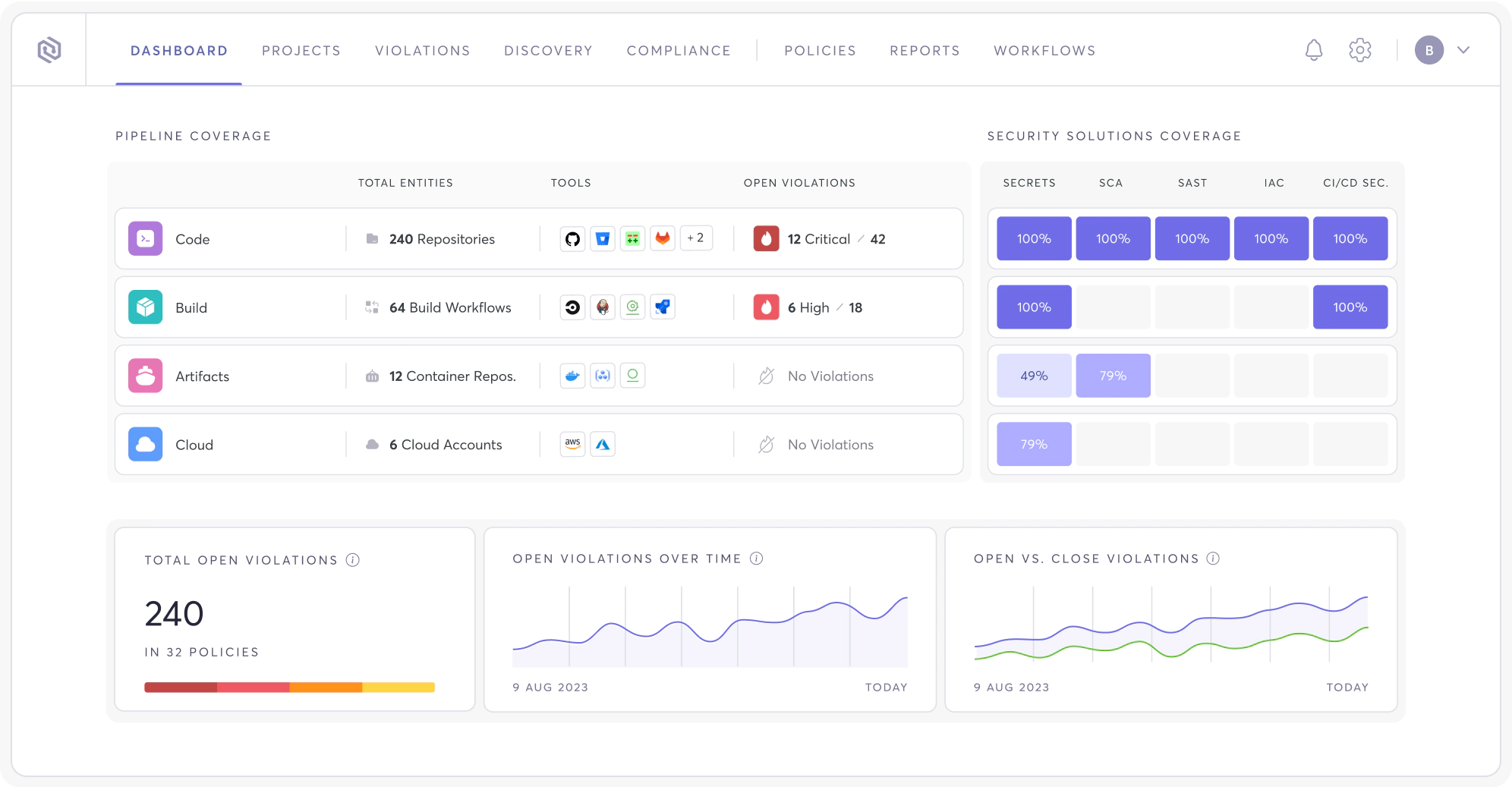
Security programs serve compliance needs. Auditors want evidence. Executives want dashboards. Both platforms provide reporting capabilities.
Compliance Framework Support
Organizations face various compliance requirements. Tools that map findings to frameworks simplify audit preparation.
Checkmarx supports major frameworks:
- PCI DSS for payment card security
- HIPAA for healthcare data
- SOC 2 for service organizations
- OWASP Top 10 and SANS Top 25
- NIST guidelines
- Industry-specific standards
The platform generates compliance reports automatically. These reports map vulnerabilities to specific requirements. Auditors can see how you’re addressing each control.
Cycode compliance features cover similar ground. The platform maps findings to common frameworks. Policy definitions help ensure consistent compliance.
Cycode’s approach emphasizes continuous compliance. Instead of point-in-time reports, you get ongoing visibility. This suits modern continuous deployment practices.
Executive Dashboards
Security leaders need high-level visibility. Both platforms offer dashboards for different audiences.
Checkmarx dashboards provide:
- Program-level risk metrics
- Trend analysis over time
- Application security posture views
- Team and project comparisons
The dashboards work well for mature security programs. They support metrics-driven security management.
Cycode dashboards focus on:
- Risk prioritization visibility
- Fix velocity metrics
- Coverage gaps
- Team performance
Cycode’s visualization emphasizes action. What needs fixing now? Who should fix it? Are we getting better over time?
Audit Trail and Evidence
Auditors want to see history. Both platforms maintain records of scans, findings, and remediation actions.
Important audit trail elements:
- When scans ran and what they found
- How long vulnerabilities stayed open
- Who fixed issues and when
- Policy exceptions and approvals
Checkmarx’s enterprise heritage shows in audit capabilities. Large organizations have used these features for years. The platform handles complex audit requirements well.
Cycode provides comparable audit trails with modern interfaces. The platform tracks the full vulnerability lifecycle from detection through remediation.
Performance and Scale: Checkmarx and Cycode Benchmarks
Enterprise environments demand performance. Thousands of developers, millions of lines of code, and continuous deployment pipelines create load.
Scan Performance
How fast can each platform scan code? This affects developer experience and pipeline speed.
Checkmarx scan times depend on configuration. Full, deep scans take longer but find more. Quick scans complete faster with some trade-offs.
A typical large codebase might take 30 minutes to several hours for a full Checkmarx scan. Incremental scans analyzing only changes complete much faster.
Cycode prioritizes scan speed. The platform was designed for CI/CD integration. Most scans complete in minutes rather than hours.
Speed comes from modern architecture and focused analysis. Cycode’s AI helps determine what to analyze deeply versus what to scan quickly.
Scaling for Large Organizations
Enterprise deployments handle enormous workloads. Both platforms claim enterprise scalability.
Checkmarx scaling:
- Distributed scanning engines
- Queue management for scan jobs
- Load balancing across infrastructure
- Proven at Fortune 500 scale
Checkmarx has years of enterprise deployment experience. Large banks, healthcare systems, and government agencies run it at scale.
Cycode scaling:
- Cloud-native architecture
- Auto-scaling infrastructure
- Efficient resource utilization
- Growing enterprise customer base
Cycode’s cloud-native design simplifies scaling. The platform handles load automatically without manual infrastructure management.
Accuracy and False Positives
Scan results need to be accurate. False positives waste developer time. False negatives miss real vulnerabilities.
Checkmarx accuracy benefits from mature scanning engines. Years of refinement reduced false positives. Custom rules help tune results for specific codebases.
Some users report that Checkmarx scans produce many findings requiring triage. The thoroughness that catches edge cases also generates noise.
Cycode accuracy leverages AI for better signal-to-noise ratio. The platform learns what matters in your environment. Over time, results become more relevant.
Cycode’s “actionable context” philosophy focuses on reducing noise. The goal is fewer, more meaningful findings rather than comprehensive catalogs.
Customer Support and Services: Checkmarx vs Cycode Experience
Tools need support. Implementation assistance, technical help, and ongoing guidance matter for complex security platforms.
Implementation Support
Getting started with application security platforms takes effort. Both vendors offer implementation assistance.
Checkmarx professional services include:
- Deployment planning and execution
- Rule customization and tuning
- Integration setup
- Training programs
- Security program consulting
These services cost extra but ensure successful deployment. Complex enterprise environments often need this help.
Cycode implementation aims for faster time to value. The platform design reduces setup complexity. Self-service onboarding works for many organizations.
Cycode does offer professional services for organizations that want hands-on help. The focus is on getting productive quickly rather than extended implementation projects.
Ongoing Technical Support
Technical issues arise. Both vendors provide support channels.
Checkmarx support tiers:
- Standard support with business hours coverage
- Premium support with faster response times
- Dedicated technical account managers for large customers
- Online knowledge base and community forums
Gartner reviews give Checkmarx a 4.5-star rating with 525 reviews. This volume of feedback suggests broad adoption and generally positive experiences.
Cycode support provides:
- Direct support channels
- Customer success programs
- Documentation and guides
- Community resources
Cycode has fewer reviews given its newer market presence. The company focuses on customer success for early adopters.
Customer Success and Training
Beyond break-fix support, both vendors invest in customer success.
Checkmarx resources:
- Codebashing developer training platform
- Security champion programs
- Best practices documentation
- User conferences and webinars
Cycode resources:
- Product training and certification
- Success manager engagement
- Regular product updates and releases
- Customer feedback programs
Use Cases: When to Choose Checkmarx or Cycode
Different organizations have different needs. Each platform suits certain scenarios better than others.
Best Fit for Checkmarx
Large enterprises with compliance requirements often prefer Checkmarx. The platform handles complex regulatory needs well. Auditors recognize the tool.
Organizations with existing Checkmarx investments should consider staying. Migration costs are real. If Checkmarx works, sticking with it may make sense.
Teams needing deep customization benefit from Checkmarx’s query language. Custom rules handle unique code patterns. This flexibility requires expertise but delivers results.
On-premises requirements favor Checkmarx. The platform has mature self-hosted deployment options. Organizations that can’t use cloud services find workable solutions.
Best Fit for Cycode
Organizations drowning in alerts should consider Cycode. The AI-driven prioritization reduces noise. Developers see findings they can actually fix.
Teams with mature CI/CD practices benefit from Cycode’s speed. The platform fits into modern development workflows without creating bottlenecks.
Companies wanting to consolidate tools find value in Cycode’s breadth. Native scanning plus third-party integration provides complete coverage. Tool sprawl decreases.
Organizations seeking faster time to value may prefer Cycode. Simpler setup and AI-driven configuration reduce the implementation burden.
Hybrid Approaches
Some organizations use both tools. Checkmarx might handle certain application types while Cycode covers others. This isn’t ideal but reflects real-world complexity.
Migration scenarios also create overlap. Organizations moving from Checkmarx to Cycode (or vice versa) run both during transition periods.
Market Position and Future Direction: Checkmarx vs Cycode Analysis
Choosing a security platform means betting on its future. Both companies continue evolving their products.
Checkmarx Market Position
Checkmarx is an established player with significant market share. The company appears in analyst reports as a leader.
Recent Checkmarx developments include:
- Checkmarx One platform consolidation
- AI-assisted features
- Expanded API security capabilities
- Supply chain security additions
The company continues investing in innovation while maintaining its enterprise foundation. Backward compatibility matters for existing customers.
Cycode Market Position
Cycode positions itself as a disruptor. The platform targets organizations frustrated with legacy tools.
Cycode’s strategic direction includes:
- Deepening AI capabilities
- Expanding integration ecosystem
- Growing enterprise customer base
- Building out automated remediation
The company emphasizes being an “AI-Native Application Security Platform for the AI Era.” This positioning resonates with forward-looking organizations.
Industry Trends Affecting Both
Several trends shape the competitive landscape:
AI everywhere: Both platforms are adding AI capabilities. This levels the playing field on some features. Execution quality matters more than AI marketing.
Developer experience focus: Security tools must work for developers, not against them. Both vendors invest in developer-friendly features.
Platform consolidation: Organizations want fewer tools, not more. Platforms that cover more ground win. Both Checkmarx and Cycode follow this trend.
Supply chain security: Software supply chain attacks drove new requirements. Both platforms address this expanding attack surface.
Real-World Feedback: Checkmarx Compared with Cycode Reviews
User reviews provide ground truth that marketing can’t match. Let’s look at what customers actually say.
Checkmarx User Feedback
With 525 Gartner reviews and a 4.5-star rating, Checkmarx has extensive user feedback.
Common positive themes:
- Comprehensive scanning capabilities
- Strong compliance reporting
- Good language coverage
- Solid enterprise support
Common criticism themes:
- Can be complex to configure
- Scan times sometimes long
- Initial tuning requires effort
- Pricing at enterprise levels
PeerSpot shows Checkmarx with an average rating of 7.7 in the SAST category. This solid score reflects broad satisfaction with some room for improvement.
Cycode User Feedback
Cycode has fewer reviews given its newer market presence. Early feedback patterns are emerging.
Common positive themes:
- Modern user interface
- Fast scan performance
- Good prioritization
- Quick implementation
Common criticism themes:
- Less mature than established tools
- Some features still developing
- Smaller community and ecosystem
Gartner shows Cycode with 4 stars from 1 review. This limited sample size makes broad conclusions difficult. The rating itself is solid.
Interpreting Review Data
Checkmarx’s review volume provides statistical confidence. You can trust patterns in the feedback.
Cycode’s limited reviews mean less certainty. The platform may improve or reveal issues as more organizations adopt it.
Both vendors encourage customer feedback. Asking for reference calls provides additional data points beyond public reviews.
Making the Decision: Checkmarx vs Cycode Final Analysis
Choosing between these platforms requires weighing multiple factors. No single answer fits everyone.
Decision Framework
Consider these questions when evaluating both options:
Current state:
- What tools do you already have?
- How mature is your security program?
- What compliance requirements exist?
- How do developers interact with security today?
Future state:
- Where is your development organization heading?
- Are you increasing CI/CD adoption?
- Do you want to consolidate tools?
- How important is AI-driven automation?
Constraints:
- What’s your budget?
- Can you deploy in the cloud?
- How much implementation effort can you absorb?
- What timeline do you face?
Summary Comparison Table
| Criteria | Checkmarx | Cycode | Winner |
|---|---|---|---|
| SAST Depth | Very thorough | Fast and accurate | Tie |
| SCA Capabilities | Comprehensive | Reachability focused | Cycode edge |
| Secrets Detection | Included | First-class feature | Cycode |
| Pipeline Security | Limited | Strong | Cycode |
| AI Prioritization | Rule-based | Native AI | Cycode |
| Enterprise Features | Very mature | Developing | Checkmarx |
| Compliance Reporting | Comprehensive | Good | Checkmarx |
| Developer Experience | Good | Modern | Cycode edge |
| On-Premises Option | Strong | Limited | Checkmarx |
| Time to Value | Longer | Faster | Cycode |
| Market Presence | Established | Growing | Checkmarx |
| Third-Party Integration | Good | Extensive | Cycode |
Recommendation Scenarios
Choose Checkmarx if:
- You need proven enterprise capabilities
- Compliance reporting is a top priority
- On-premises deployment is required
- You have resources for custom configuration
- Auditor familiarity matters
Choose Cycode if:
- You want AI-driven prioritization
- Fast CI/CD integration matters most
- Alert fatigue is your main challenge
- You prefer cloud-native tools
- Automated remediation appeals to you
Conclusion
Both Checkmarx and Cycode offer strong application security capabilities. Checkmarx brings enterprise maturity, deep SAST capabilities, and proven compliance features. Cycode counters with AI-native architecture, faster time to value, and modern developer experience.
Your choice depends on your specific situation. Evaluate both platforms against your requirements. Request demos, run proofs of concept, and talk to existing customers. The right tool is the one that actually gets used by your team to fix real vulnerabilities.
FAQs About Checkmarx vs Cycode
| What are the main differences between Checkmarx and Cycode? | Checkmarx is an established enterprise SAST platform with deep scanning capabilities and strong compliance features. Cycode is a newer AI-native platform focused on prioritization, fast CI/CD integration, and automated remediation. Checkmarx excels in thoroughness while Cycode emphasizes actionable results. |
| Which platform is better for developers? | Cycode generally provides a more modern developer experience with faster scans and AI-assisted remediation. Checkmarx also offers solid developer tools but may require more configuration. Both integrate with popular IDEs and CI/CD pipelines. |
| Can Checkmarx and Cycode be used together? | Yes, some organizations run both platforms. Cycode’s third-party integration capabilities can ingest findings from Checkmarx scans. This approach suits migration scenarios or organizations wanting to compare results. |
| Which platform is better for compliance requirements? | Checkmarx has more mature compliance reporting features and longer enterprise track record. Auditors often recognize Checkmarx reports. Cycode covers common frameworks but with less depth in compliance-specific features. |
| How do Checkmarx and Cycode compare on pricing? | Both use enterprise subscription pricing requiring vendor conversations. Checkmarx typically reflects traditional enterprise software costs. Cycode may offer competitive pricing as a newer market entrant. Total cost of ownership varies based on implementation complexity and infrastructure choices. |
| Which platform has better false positive rates? | Cycode’s AI-driven prioritization typically shows fewer false positives by focusing on actionable findings. Checkmarx requires tuning to reduce noise but offers deep customization options. Both improve with proper configuration. |
| Can Cycode replace Checkmarx completely? | For many use cases, yes. Cycode covers SAST, SCA, secrets detection, IaC, and container security. Organizations needing specific Checkmarx features like extensive on-premises deployment or certain compliance reports should evaluate gaps carefully. |
| Which platform is faster for CI/CD pipelines? | Cycode was designed specifically for CI/CD speed and typically delivers faster scan times. Checkmarx offers incremental scanning to improve speed but full scans of large codebases take longer. |
| How do the platforms compare on language support? | Checkmarx supports over 30 programming languages with nearly 20 years of refinement. Cycode supports 20+ languages with modern language coverage. Both cover mainstream development languages well. |
| What kind of organizations should choose Cycode over Checkmarx? | Organizations seeking modern developer experience, AI-driven prioritization, and fast implementation should consider Cycode. Cloud-native companies tired of alert fatigue often find Cycode refreshing. Startups and mid-market companies may appreciate faster time to value. |

 Stack Insight is intended to support informed decision-making by providing independent information about business software and services. Some product details, including pricing, features, and promotional offers, may be supplied by vendors or partners and can change without notice.